

Blog
Finding the Best Cat Litter Catcher Mat for Your Home

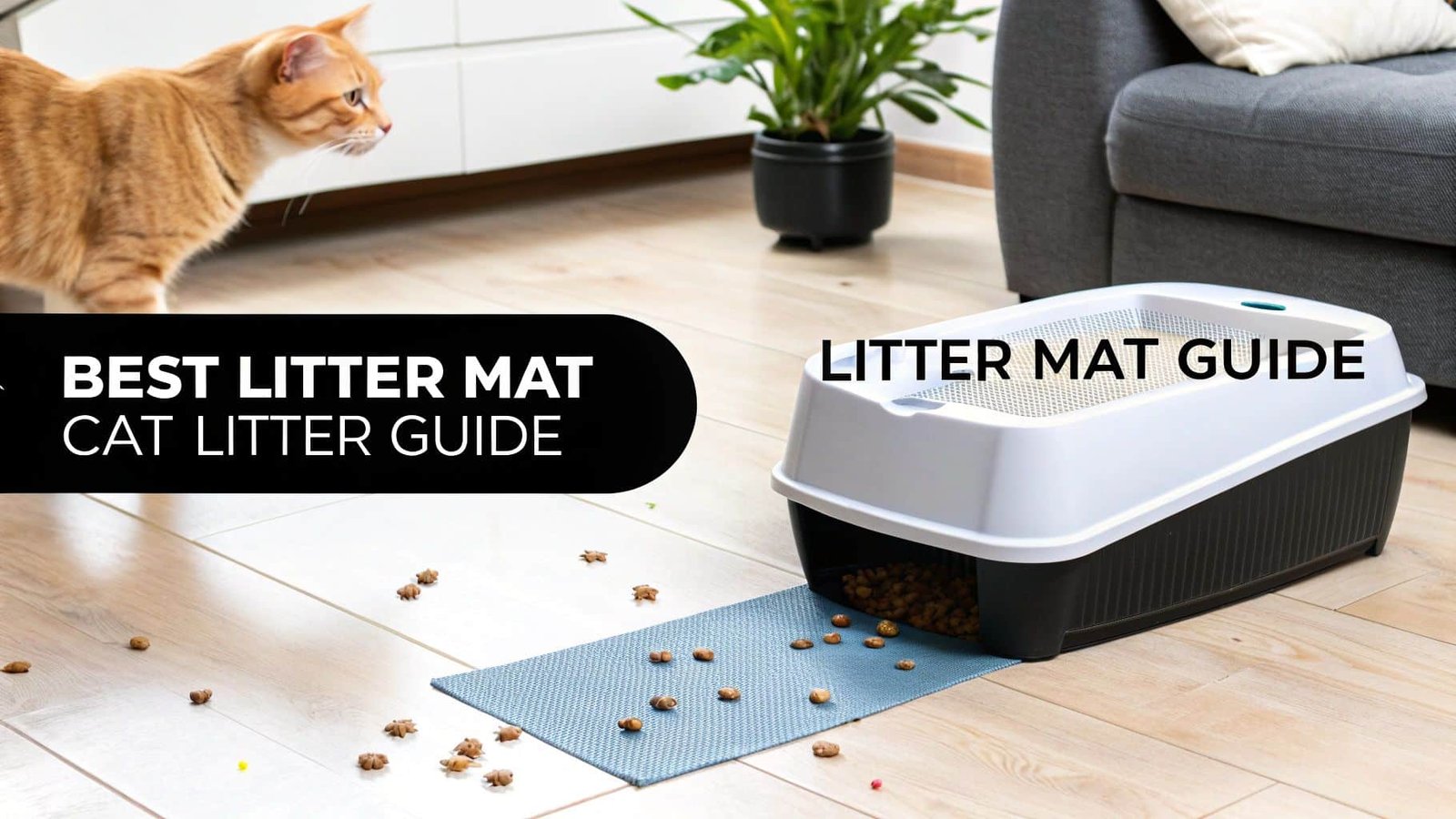
Every cat owner knows that dreaded crunch of litter underfoot. It’s a universal sign that the mess has escaped the box again. A good cat litter catcher mat is your best defense, designed with special textures that grab those pesky granules right where they land. It's a simple tool, but it's absolutely essential for a clean, odor-free home.
Winning the War on Litter Scatter
If you share your home with a cat, you’re already familiar with the battle against litter scatter. Those tiny granules somehow travel from the litter box to your couch, your bed, and every other corner of the house. It’s a never-ending cycle of sweeping and vacuuming.
This isn’t just a small annoyance; it’s a constant, gritty reminder of the less glamorous side of having a pet.
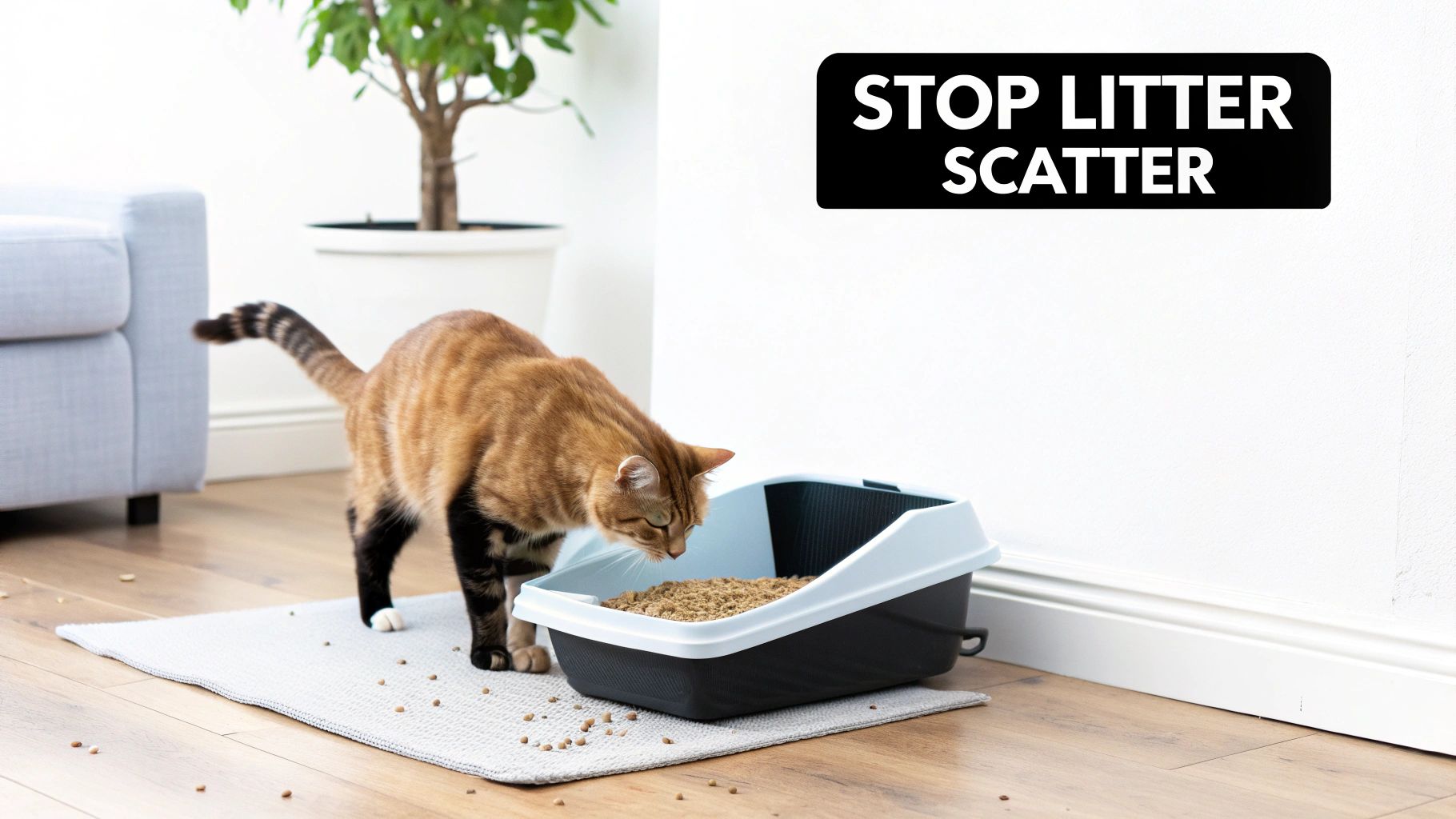
A quality litter mat acts as your home's first line of defense. Think of it as a specialized doormat for your cat. As your furry friend hops out of their box, the mat's surface gently opens their paw pads, dislodging and trapping any stray litter before it gets tracked across your floors.
This one addition can completely change your cleaning routine. Instead of chasing granules all over the house, you can deal with the mess in one easy-to-manage spot.
The Science of a Cleaner Home
A great mat is more than just a slab of rubber; it’s a cleverly designed system. The real trick is creating a surface that’s tough on litter but soft on paws. That's why you'll see so many different materials and patterns. Some use a deep honeycomb or mesh design, while others have soft, loofah-like fibers.
Each design aims to do three key things:
- Trap Litter: Deep grooves or double layers catch and hold onto granules until you're ready to clean.
- Improve Hygiene: Containing the mess helps stop the spread of bacteria from the litter box.
- Protect Floors: Most have a waterproof backing to stop any accidents from soaking through to your carpet or hardwood.
This focus on cleanliness and convenience is why these mats have become so popular. In fact, the global cat litter mats market is expected to hit $500 million by 2025—proof that countless pet parents rely on them. With over 40% of US households now owning cats, these mats are becoming a must-have for keeping a tidy home. You can find more insights on the market growth for these essential pet products.
The right litter mat is an investment in your sanity. It seriously cuts down on daily cleaning stress, giving you more time to actually enjoy your cat and less time cleaning up after them.
Ultimately, picking the best cat litter catcher mat is all about matching the right features to your cat and your home.
How Different Mat Materials Actually Work
Choosing the right cat litter catcher mat is a bit like picking the perfect doormat for your house. You need something that effectively cleans whatever is on the feet walking across it, but is also pleasant enough to actually be used. A good mat isn't just a passive piece of plastic; it's an active tool that works with your cat’s natural movements to keep your floors clean.
The whole point is to create a surface that gently encourages litter to fall off your cat's paws the moment they step out of the box. The material and structure are everything here. Each type offers a different mix of trapping power, paw comfort, and cleaning ease. Let’s break down what really makes them tick.
The Science of Trapping Litter
Different materials use surprisingly clever methods to grab those pesky litter granules. Some act like a soft brush, while others work more like a sieve. It’s a neat bit of engineering that’s tough on messes but gentle on your cat’s sensitive paws.
Here are the most common types you’ll run into:
- Silicone and Rubber Mats: These often have flexible nubs or shallow grooves molded right into the surface. When your cat walks on them, the soft bristles gently massage their paw pads, causing them to spread just enough to release trapped litter. As a bonus, these materials are naturally non-slip and waterproof, which is a lifesaver for containing the occasional accident.
- Woven Fiber and Loofah-Style Mats: Think of these as a rough, almost carpet-like texture. The thousands of tiny fibers act like a brush, scraping granules from your cat's paws and fur as they walk by. They’re fantastic at trapping litter, but getting them completely clean can sometimes be a bit more of a chore.
- PVC (Polyvinyl Chloride) Mats: You'll often see these with a mesh or coil design—a web of vinyl loops that creates a deep, springy surface. Litter falls right into this mesh and gets held below the surface, keeping it from being tracked around. This design is great for hiding the mess, but it does take a bit more effort to shake all the litter out.
Key takeaway: The best mats have a texture your cat doesn't mind walking on. If it feels too harsh or spiky, your cat will simply leap over it, and you’ll be right back to sweeping up litter trails.
To help you decide, let's compare these materials side-by-side.
Cat Litter Catcher Mat Material Comparison
This table breaks down the pros and cons of common mat materials to help you find the perfect match for your cat and your home.
| Material Type | Litter Trapping Effectiveness | Ease of Cleaning | Paw Comfort | Best For |
|---|---|---|---|---|
| Silicone/Rubber | Good – Nubs and grooves gently dislodge litter. | Excellent – Waterproof and easy to wipe or rinse. | High – Soft and flexible for sensitive paws. | Cats who are picky about texture and owners who prioritize fast, easy cleaning. |
| Woven Fiber | Excellent – Fibers act like a brush to scrape off litter. | Fair – Can be difficult to get all the litter out. | Medium – Some cats may find the texture too rough. | Maximum litter trapping, especially for long-haired cats or super-trackers. |
| PVC Coils | Excellent – Deep mesh traps and hides a lot of litter. | Good – Shake well or vacuum; can hold onto fine dust. | Medium to High – Springy and generally comfortable. | Hiding tracked litter from sight between cleanings in high-traffic areas. |
| EVA Foam | Superior – Large holes let litter fall through to a bottom layer. | Excellent – Just pour trapped litter back into the box. | High – Smooth, lightweight, and gentle on paws. | The ultimate "set it and forget it" solution for efficient, mess-free cleaning. |
Each material has its place, but one design has really changed the game.
The Honeycomb Double-Layer Design: A Modern Solution
The biggest innovation in litter mats lately is the honeycomb double-layer design. Usually made from a durable, lightweight EVA foam, this style works exactly like a sieve. The top layer has large, hexagonal holes that let litter fall straight through to a solid, waterproof bottom layer.
This design is incredibly effective. All the trapped litter is kept completely out of sight and off your floor until you're ready to deal with it. Cleaning is a breeze—you just separate the two layers and pour the collected litter back into the box or into the trash. It’s no wonder the cat litter mats market is projected to hit $850 million by 2025, with these advanced double-layer versions accounting for 65% of sales because they just work so well. You can see more data on how mat technology is evolving and why this design is leading the pack.
Of course, keeping your cat's space clean is only half the battle. Making it comfortable is just as important. Pairing a great litter mat with some cozy cat beds and mats helps create a welcoming environment they'll love.
Key Features That Separate Good Mats From Great Ones
Once you've got a handle on the different materials, it's time to dig into the details. This is where you can really tell the difference between a mat that sort of works and one that genuinely puts an end to your litter-tracking woes. It's a lot like buying a good raincoat—sure, most will handle a light drizzle, but only the one with the right seams and a proper hood will keep you bone-dry in a real storm.
The same idea applies here. It’s the little design choices that make a huge difference in how well a mat performs day in and day out.
Size and Shape Are Non-Negotiable
Let's get one thing straight: size is the most important feature, period. A mat that's too small is pretty much useless. Cats are masters of the long jump, and they will absolutely leap right over a dinky little mat without a second thought.
You need a mat that’s big enough to catch your cat's first one or two steps as they leave the litter box. Get out the measuring tape, check the space around your box, and always go a little bigger than you think you need. Creating a proper "landing zone" is the first step to trapping that pesky litter.
Raised Edges for Superior Containment
Next up, look for a mat with raised or lipped edges. This is a game-changer. That simple raised border acts like a tiny wall, turning the mat into a shallow tray. It doesn't just catch stray litter granules; it contains everything—urine misses, water bowl splashes, you name it.
A flat mat might catch some litter, but one with a perimeter wall ensures the mess stays on the mat and off your floors until you’re ready to deal with it. It’s a small detail that offers a huge upgrade in hygiene and protection.
This diagram shows how different materials bring unique benefits to the table.
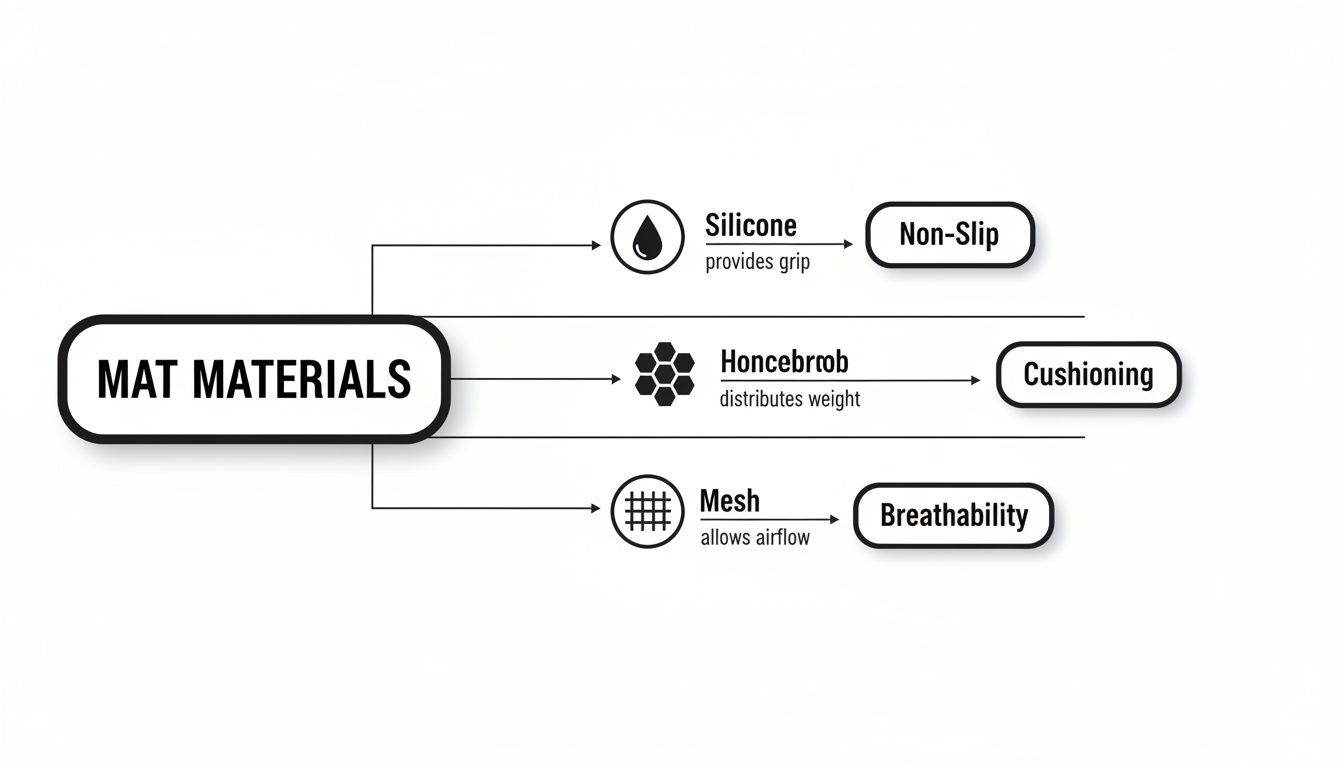
As you can see, honeycomb designs are built to trap litter, while materials like silicone are champions of being waterproof and ridiculously easy to clean.
Waterproofing and Stability
Let's be real, accidents happen. That’s why a 100% waterproof bottom layer is a non-negotiable feature for me. Lots of mats will say they're "water-resistant," but true waterproofing means absolutely nothing is seeping through to your beautiful hardwood or expensive carpet. This is especially critical if you have a senior cat, a young kitten, or just a cat who sometimes… well, misses the mark.
Just as crucial is a non-slip base. A mat that scoots around the floor every time your cat steps on it isn't just ineffective; it can be scary for your cat and a tripping hazard for you. A solid non-slip backing anchors the mat in place, making sure it’s always right where it needs to be to catch the mess.
Expert Tip: A truly great mat isn't just about catching litter. It’s about creating a complete, self-contained "mess station" that's stable and hygienic. If it isn't fully waterproof and doesn't stay put, you're only solving half the problem.
If you keep these practical features in mind, you’ll be able to spot a high-performing mat from a mile away.
Matching the Right Mat to Your Cat and Home
Picking the perfect cat litter catcher mat isn't a one-size-fits-all deal. What works beautifully in a small apartment with one tidy feline might be a total disaster in a home with a whole crew of cats. The secret is to stop thinking about a "best" mat and start looking for the right mat for your specific situation.
Think of it like buying shoes. You wouldn't wear flip-flops to go hiking, right? In the same way, you need to match the mat’s features to your household's unique challenges, from enthusiastic diggers to delicate paws.
For Multi-Cat Households
When you have more than one cat, the floor around the litter box is basically a freeway. All that back-and-forth means durability is your number one priority. A flimsy mat will get shredded and worn out in no time.
You need something tough. Look for mats made from robust materials like thick EVA foam or a heavy-duty, non-toxic PVC that can handle the constant traffic. A larger size is also a must-have, creating a bigger "landing zone" to catch litter from cats exiting at all different angles.
For the Enthusiastic Digger or Messy Cat
We all know the type—the cat who treats the litter box like their personal sand dune, flinging granules everywhere with gusto. If that sounds like your little artist, a simple flat mat won’t stand a chance.
The key here is containment. You need a mat with high, raised edges that essentially form a shallow tray around the litter box. This design acts like a bumper, stopping kicked-out litter from scattering all over your floor. For the most serious offenders, a deep, double-layer EVA cat litter mat is a game-changer, offering both a physical barrier and a super-effective trapping system.
For Cats with Sensitive Paws
Not every cat is okay with a rough, scratchy surface underfoot. For older cats, those who have been declawed, or any feline with sensitive paw pads, comfort is just as important as cleanliness. If the mat feels unpleasant, your cat will just leap right over it, making it completely useless.
For these gentle souls, you'll want to choose a mat made from soft, pliable materials that feel good to walk on.
- Food-grade silicone with soft, flexible nubs.
- Smooth, spongy EVA foam that provides a nice cushion.
- Soft, woven fiber mats that feel more like a comfortable rug.
This small consideration ensures your cat will actually walk across the mat, giving it a chance to work its magic.
The need for these kinds of solutions is clearly growing. The cat litter mat market is on track to hit $760 million by 2033, and it's no wonder why—a whopping 68% of US indoor cat households use them to fight litter tracking. This trend is even more pronounced in multi-cat homes, which have jumped by 25% since 2019, where a good mat can stop up to 80% of litter scatter.
Pro Tip: When picking a mat for a sensitive cat, do a quick test. Run the back of your hand over the surface. If it feels scratchy or abrasive to you, it’s definitely going to feel that way on their paws.
Of course, keeping your home clean goes beyond just the litter box. For a wider look at protecting your home, check out this ultimate guide to pet-friendly couch covers to handle everything from fur to accidental scratches.
Recommended Mat Features for Different Needs
To make it even simpler, here's a quick cheat sheet matching common situations with the features you should prioritize.
| Scenario | Key Mat Feature 1 | Key Mat Feature 2 | Key Mat Feature 3 |
|---|---|---|---|
| Multi-Cat Household | Large Size (XL or Jumbo) | Heavy-Duty Material (EVA/PVC) | Easy to Shake Out/Vacuum |
| Messy Digger/Kicker | High Raised Edges | Deep Pockets or Double Layer | Waterproof Backing |
| Cat with Sensitive Paws | Soft, Spongy Texture (Silicone) | Smooth Surface (No Sharp Fibers) | Lightweight and Flexible |
| Small Apartment Living | Compact Size | Non-Slip Backing | Foldable/Easy to Store |
| Senior Cat | Low-Profile Edge | Soft, Cushioned Material | Grippy, Non-Slip Base |
Finding the right mat really comes down to observing your cat's habits and knowing what problems you're trying to solve. By focusing on these key features, you can find a solution that keeps both you and your cat happy.
Getting the Most Out of Your Litter Mat
So, you've picked out a great litter mat. That’s a huge first step! But getting the best results comes down to where you put it and how you take care of it. Think of it less like a simple accessory and more like part of a system designed to keep your floors clean. Smart placement and a little upkeep are what truly make these mats work wonders.
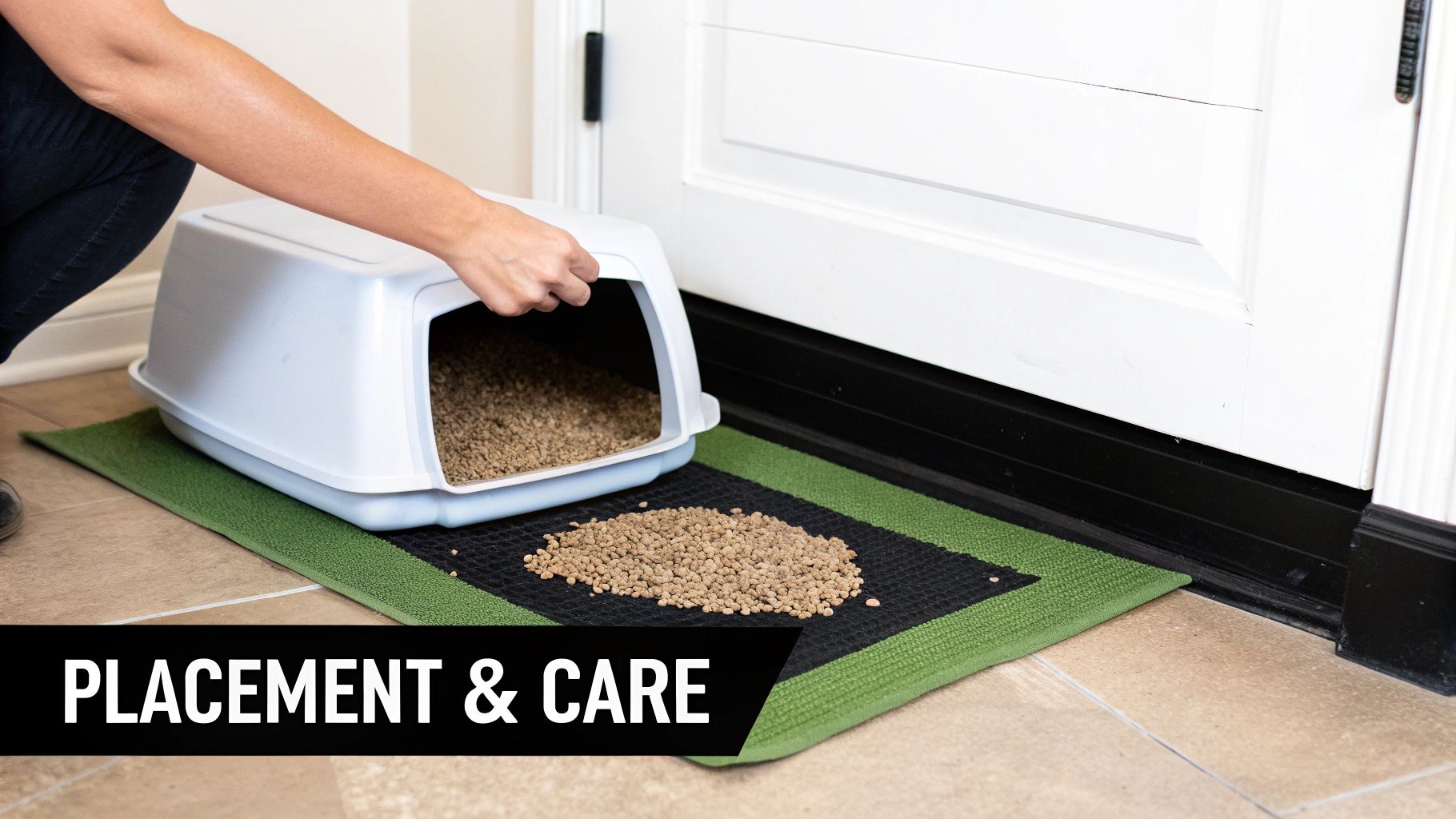
Placement is everything. The whole point is to make sure your cat has to walk across the mat when they leave the litter box. You want to cover their main exit path, forcing them to take at least a few steps on the litter-grabbing surface before they hit your clean floors.
If you have the box tucked in a corner, just slide the mat right up against the opening. For litter boxes in more open spaces, watch which side your cat tends to use most and place the mat there. The key is making sure their paws connect with the mat every single time.
Creating a Simple Maintenance Routine
A clean mat is an effective mat. If it’s already full of litter, it can’t trap any more. Plus, a dirty mat might even discourage your cat from using the box altogether. A quick, consistent cleaning routine is the secret to keeping it working properly and making it last.
How you clean it really depends on the type you have:
- Double-Layer (Honeycomb) Mats: These are by far the easiest. Just pull the top layer off once or twice a week and pour all the trapped litter right back into the box or into the trash. It literally takes less than a minute.
- Textured (Silicone/PVC) Mats: For daily tidying, a quick shake outdoors or a once-over with a hand vacuum does the trick. I recommend giving it a good rinse with some mild soap and water about once a week to get rid of any fine dust and keep odors from setting in.
This kind of regular upkeep is a cornerstone of a hygienic home. You can find plenty of pet-safe supplies in our grooming and cleaning collection to help keep your entire pet area looking and smelling fresh.
Remember this: The mat’s job is to contain the mess in one easy-to-clean spot. A quick daily check and a more thorough weekly clean will keep the whole system working perfectly and save you from stepping on that gritty litter.
Extending Your Mat's Lifespan and Effectiveness
Beyond the weekly rinse, a few other habits will help you get years of use out of your mat. It’s a good idea to check underneath it every so often. Even with a waterproof backing, fine dust or a little moisture can get trapped, so letting the area air out once a week is smart.
To keep the area around the litter box truly spotless, I like to use a pet-safe, non-toxic hardwood floor cleaner during my weekly cleaning. It prevents any grime from building up and keeps my floors in great shape.
Finally, just watch your cat. If you notice they always leap over one corner of the mat, you might need to shift it or consider getting a bigger one. Sometimes a small adjustment is all it takes to see a massive improvement.
Your Questions Answered: A Litter Mat FAQ
It's totally normal to still have a few questions floating around. Picking the right litter mat feels like a small thing, but getting it right can save you a ton of cleanup time and frustration.
To help you feel confident in your choice, I've rounded up the most common questions I hear from fellow cat owners.
How Often Should I Actually Clean This Thing?
Honestly, it depends on the mat and how many feline friends are using the litter box. If you have a double-layer mat, a quick shake-out every day is a game-changer. Just pull the top layer off and dump the trapped litter right back into the box. Easy.
For a real deep clean, plan on washing it weekly with some gentle soap and water. This is key for knocking out any lingering odors or bacteria. Mats made from non-porous stuff like silicone or EVA foam are the simplest to get squeaky clean and keep the area hygienic for your cat.
Will My Cat Hate Walking on It?
Most cats take to litter mats just fine, as long as it doesn’t feel weird on their paws. Texture is everything. Stay far away from mats that feel spiky, hard, or sharp—if it’s not comfortable, they won’t use it.
When you bring it home, just set it in place and let your cat check it out on their own time. If they seem a little hesitant, you can sprinkle a tiny bit of catnip on it to build a positive vibe. Also, make sure the mat has a non-slip base. A wobbly mat can feel unsafe, and a cat that doesn't feel secure won't step on it.
A mat your cat avoids is a mat that doesn’t work. Paw comfort is just as critical as litter-trapping ability, so prioritize soft, gentle materials to ensure your feline friend uses it every time.
Can a Litter Mat Really Stop All Tracking?
A great, large mat can be incredibly effective, often cutting down on tracked litter by as much as 90%. But will it catch every last piece? Probably not. You’ll always have that one cat who loves to launch themselves out of the box like an astronaut, and some long-haired cats are just little litter magnets.
The real goal is to trap the overwhelming majority of the mess right at the source, saving you from constant sweeping. For a nearly foolproof setup, pair the best cat litter catcher mat with a litter box that has high sides and a good low-tracking litter.
Are These Mats Actually Safe for My Cat?
Yes, as long as you're buying from a reputable pet brand. They’ll always prioritize using materials that are non-toxic and free of nasty chemicals. Keep an eye out for mats that are specifically labeled as BPA-free and phthalate-free.
A few of the safest materials you'll see are:
- EVA Foam: It's lightweight but tough, and totally non-toxic.
- Food-Grade Silicone: Super soft, flexible, and completely safe for pets.
- High-Quality PVC: Just make sure it's from a trusted brand that stands by its safety.
My best advice? Stick to products designed for pets. This ensures every material was chosen with your cat's health and safety in mind, which is all any of us really want.
Ready to end the litter scatter for good? At Ur Pet Store, we offer a curated selection of high-quality, pet-safe litter mats designed for maximum effectiveness and easy cleaning. Find the perfect solution for your home and enjoy a cleaner, happier space.
Shop our collection of premium cat litter catcher mats at Ur Pet Store!