

Blog
Find the Best Mat for Cat Litter Box

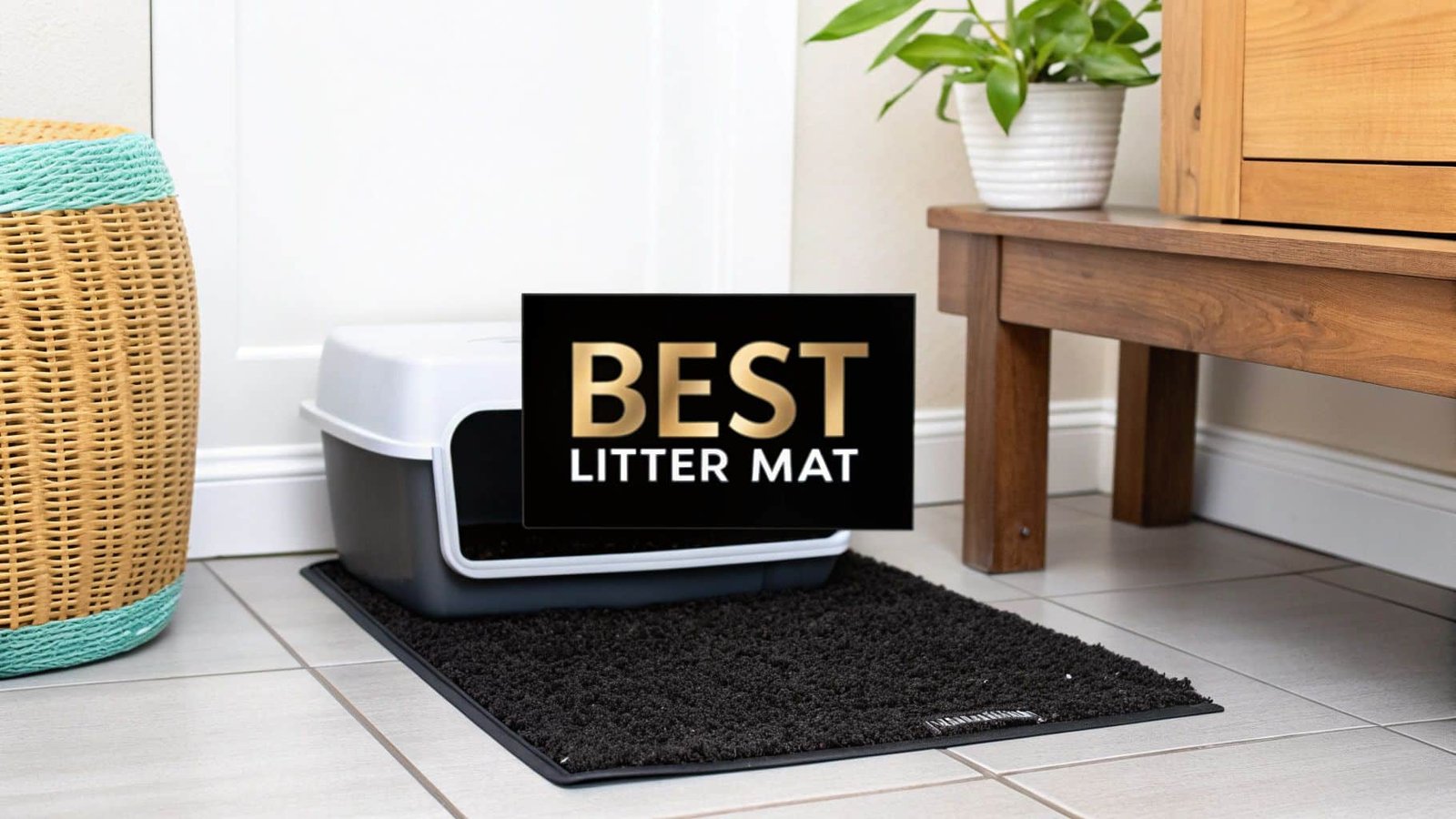
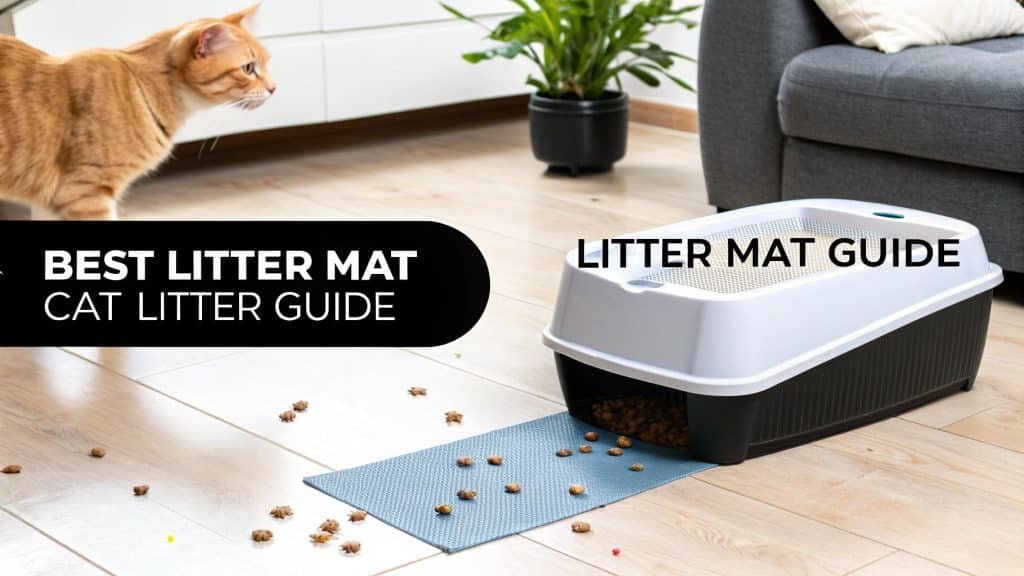
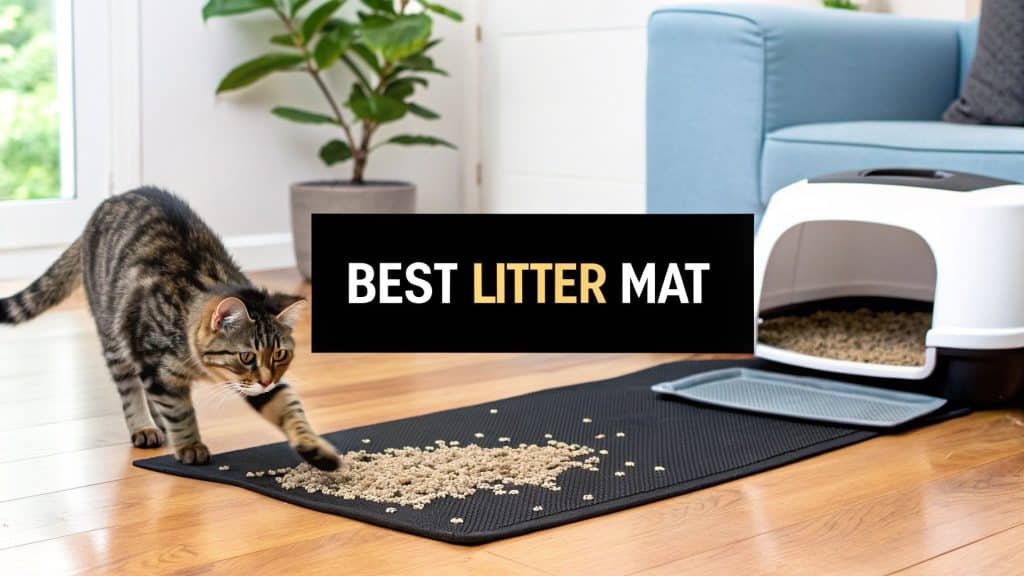
The best mat for a cat litter box is often a dual-layer, honeycomb-style mat made from soft, non-toxic EVA foam. This design is fantastic at trapping scattered litter through its top layer, which means clean floors for you and comfortable paws for your cat. If you’re looking for the best mat for cat litter box, this is a great option to consider.
End Endless Sweeping: A Guide to Cleaner Floors
If you’re tired of that gritty, sandy feeling under your feet every time you walk past the litter box, you’re in the right place. We’re going to skip the generic advice and get right into what actually makes a cat litter mat a game-changer for your home.
I remember my own battle with the constant spray of litter. For years, I was sweeping multiple times a day. The cheap, carpet-like mats I bought first were a total waste of money—they just seemed to weave the litter deeper into their fibers, making them impossible to get truly clean. My frustration peaked when I realized my cat hated the rough texture so much she would just leap right over the mat, scattering litter even farther. It completely defeated the purpose.
Finding What Actually Works
The turning point was finally swapping that useless mat for a larger, soft-textured one with deep grooves. It was an ‘aha!’ moment. Suddenly, the litter stayed put. It wasn’t just about the material; it was about watching how my cat exited the box and matching the mat’s features to her habits.
That experience taught me the best mat for a cat litter box isn’t a one-size-fits-all product. It’s a personalized solution that can transform your space. When searching for the best mat for cat litter box, it’s important to consider your cat’s habits and preferences.
This guide will walk you through finding that perfect fit. We’ll look at:
- The key materials and how they affect your cat’s comfort and litter-trapping ability.
- Why size matters and how to create a litter-capture zone that actually works.
- Different surface textures designed to handle everything from fine clay to chunky pine pellets.
- How to choose a mat that’s easy to clean, because the last thing you need is another chore.
Finding the right mat is less about the product and more about solving a specific problem: how to stop litter tracking based on your cat’s habits and your home’s layout.
This isn’t about just buying another pet accessory; it’s about reclaiming your floors and finding a solution that sticks. For more tips on keeping a pristine, pet-friendly home, check out our other articles on essential grooming and cleaning products.
Decoding Mat Materials for Your Cat and Your Litter
When you’re trying to pick the right litter mat, the material is everything. Seriously. Get this part wrong, and you’ll either end up with a mat your cat refuses to step on or one that’s a nightmare to clean. Let’s walk through the common choices so you can find the perfect fit for your home.
It really boils down to a classic trade-off: your cat’s comfort versus your cleaning convenience. For example, a super-soft silicone mat might feel amazing on sensitive paws, but its floppy nature can make getting it truly clean a bit of a project unless you can hose it down outside.
On the flip side, a tough PVC mat can be incredibly durable and a breeze to vacuum or wipe down. But, some pickier cats might just hate the feel of it and leap right over it—completely defeating the purpose. You know your cat best, so keep their quirks in mind.
Matching Material to Litter Type
The kind of litter you scoop every day plays a huge role in what mat will work. A mat designed to catch fine, sand-like litter is going to fail miserably with chunky pine pellets.
Here’s a quick breakdown:
- Soft Silicone or EVA Foam: These often come with deep grooves or a popular honeycomb design. They’re gentle on the paws and are fantastic at trapping fine-to-medium litters like clay, sand, or corn.
- Durable PVC: You’ll often see these with a loofah-like mesh or coil texture. This material is a workhorse, great for scraping off larger litter types like pellets and crystals. The only downside is that fine litter can sometimes get trapped deep in the coils.
- Dual-Layer Designs: These are the clever ones, usually made from EVA foam. Litter falls through a honeycomb top layer onto a solid, waterproof bottom layer. This keeps the surface clean for your cat and works well with almost any litter type.
This infographic gives a great visual starting point for how to tackle litter tracking at its source.
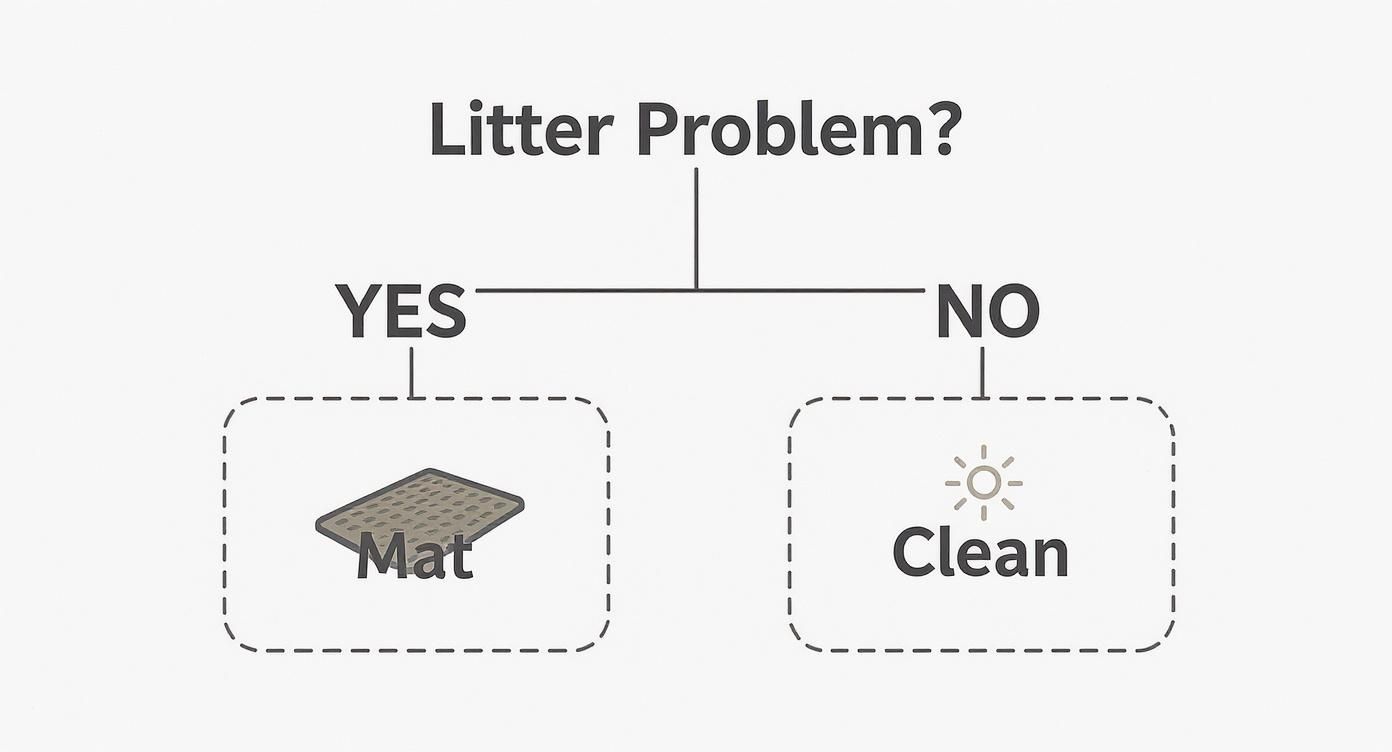
The bottom line is that a dedicated mat is your single most effective weapon against litter tracking. It’s no surprise that the demand for better pet products is growing. The global market for cat litter trays and accessories was valued at a whopping $761 million in 2025 and is only expected to climb. This just shows how many of us are looking for smarter, more hygienic solutions. You can read more about the trends in the cat litter product market if you’re curious.
Pro Tip: When you bring home a new mat, don’t just shove it in front of the litter box. Leave it nearby for a day or two and let your cat check it out on their own terms. This way, they get used to the new texture without feeling like their bathroom routine was suddenly ambushed.
To make things even clearer, here’s a quick comparison of the most common materials you’ll encounter.
Litter Mat Material Comparison
This table gives you a quick-glance comparison of common mat materials to help you decide which is best for your cat and your cleaning routine.
| Material Type | Best For Trapping | Paw Comfort Level | Ease of Cleaning |
|---|---|---|---|
| Silicone | Fine to medium-grain litters | High | Moderate (can be floppy) |
| EVA Foam | All litter types (especially honeycomb) | High | Easy to Moderate |
| PVC (Coil/Mesh) | Large pellets, crystals | Medium | Easy (but fine litter can get trapped) |
| Microfiber/Carpet | Fine litters | Very High | Difficult (can trap odors) |
Ultimately, choosing the right material is about finding that sweet spot—something that works for the litter you use, the cleaning you’re willing to do, and most importantly, the cat who has to walk on it every day.
Why Size and Shape Actually Matter for Litter Mats
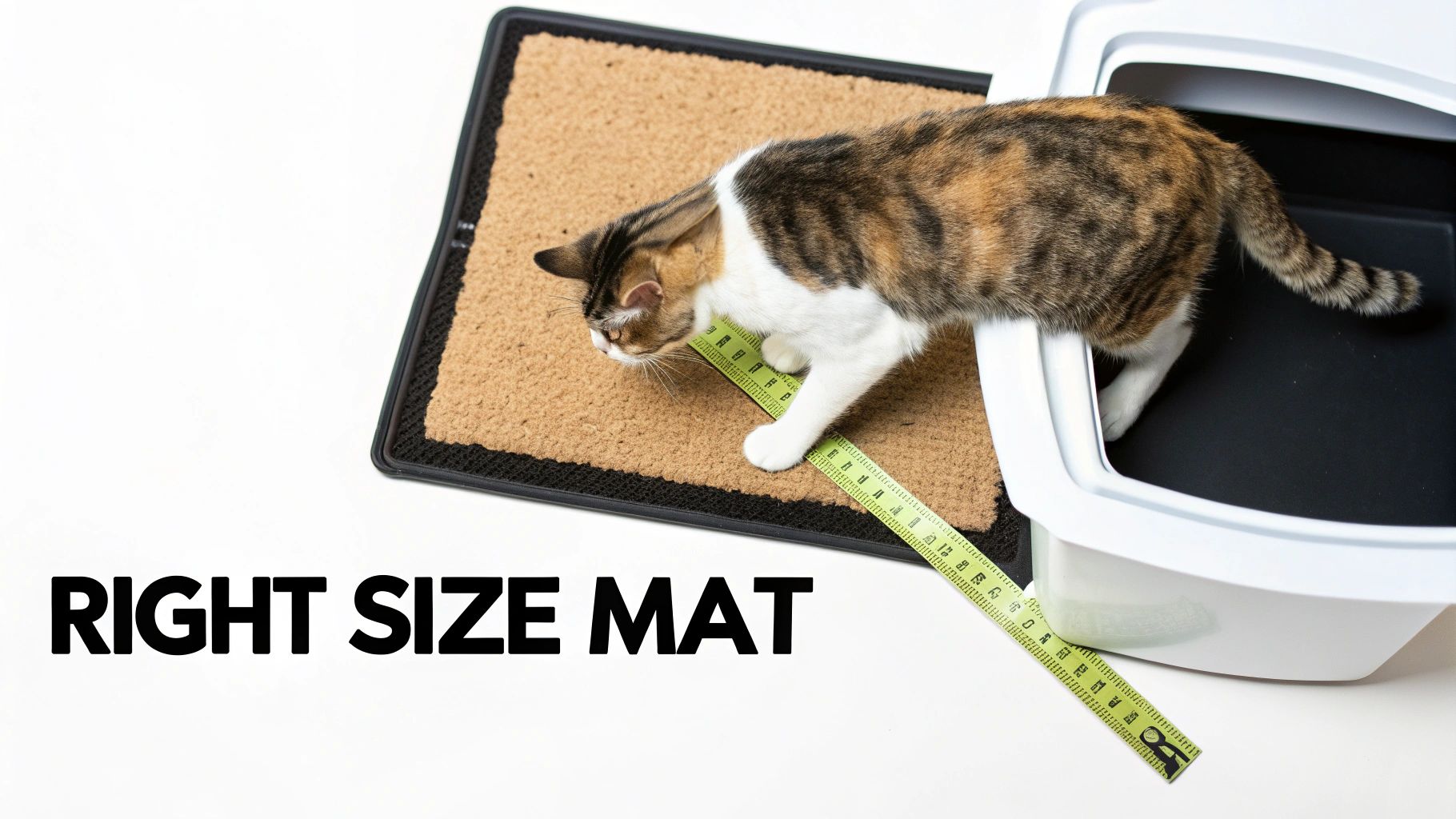
It’s easy to get caught up in the material of a litter mat, but even the best texture in the world won’t do a thing if the mat is too small. Think of it as a landing strip for your cat. If the runway is too short, the litter just goes airborne right over it and onto your floors.
A really common mistake is picking a mat that’s just a bit bigger than the litter box opening. This completely ignores how cats actually behave. Some cats step out daintily, one paw at a time. Others, like my own personal sprinter, launch themselves out like they’re shot from a cannon. For those high-energy exits, a tiny mat is completely useless.
How to Find the Right Size
Here’s a great rule of thumb: the mat should extend at least a full cat’s body length from the main exit of the litter box. This forces your cat to take a few steps across the surface, which is crucial. Those extra steps give the mat’s texture time to do its job and grab the litter stuck to their paws. Before you even start shopping, grab a tape measure and see how much floor space you can realistically dedicate to the cause.
The push for better pet hygiene products is bigger than ever. In 2024, the global cat litter market hit an incredible USD 5.74 billion. This shows a huge demand for anything that makes pet ownership cleaner and less of a chore. That growth is what fuels innovation in accessories like litter mats, giving us more effective options than ever before. If you’re curious, you can read more about the growth of the pet care industry and how these trends are shaping the products we buy.
Think of your litter mat as a “capture zone,” not just a doormat for the litter box. The bigger the zone, the less you’ll find yourself sweeping litter from every corner of your home.
Considering the Shape
Most mats you’ll find are rectangular, but the shape can make a big difference in how well it works with your space.
- Rectangle: This is the old standby. It’s perfect for standard litter boxes that are pushed up against a wall, and a large one gives you the most possible surface area.
- Corner/Quarter-Circle: If your litter box is tucked into a corner, these are a game-changer. They fit snugly without leaving weird gaps or taking up unnecessary floor space.
- Half-Moon: This shape is a great fit for covered litter boxes with a single front entrance, creating a perfectly targeted landing pad.
By thinking strategically about both size and shape, you can match the mat to your cat’s unique personality and your home’s layout. It’s the key to creating a truly effective barrier against tracked litter.
How Texture and Trapping Tech Really Work
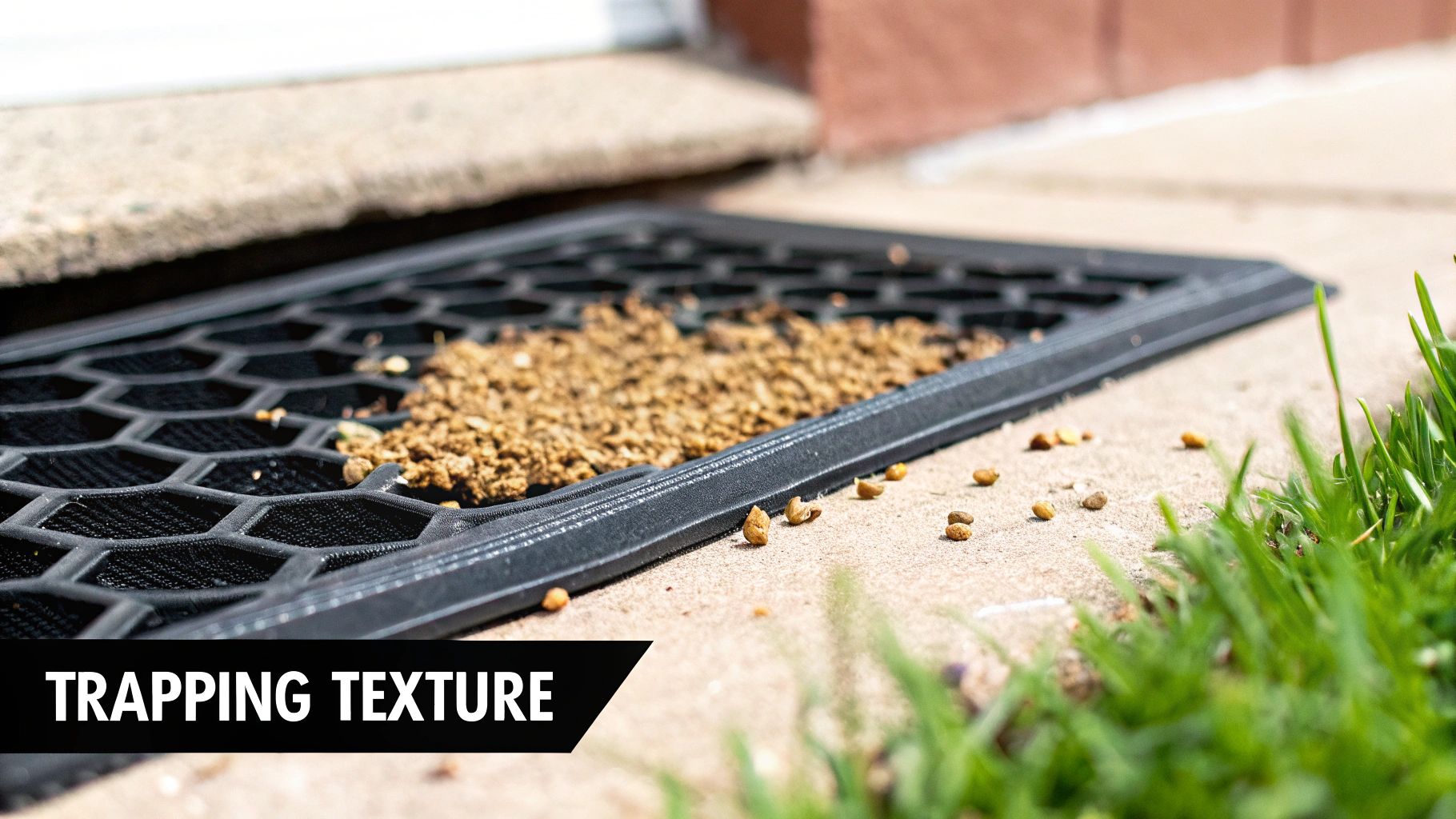
Let’s get down to the nitty-gritty. The real magic of a great litter mat isn’t just the material—it’s the surface texture. This is what does the actual work of grabbing stray litter off your cat’s paws before it gets tracked all over your house.
Think of it this way: different textures are designed for different kinds of litter. A mat with a fine, loofah-like mesh surface is a lifesaver if you use fine, sandy litters. Those thousands of tiny loops create just enough friction to gently wipe your cat’s paws clean as they walk across.
But that same fine mesh isn’t going to do much for bigger pine or paper pellets. For those, you need a totally different strategy.
Find the Right Texture for Your Litter
If you’re dealing with larger pellets, look for mats with deep, wide grooves or channels. When your cat steps out, the big pieces just fall right into those grooves instead of getting kicked across the floor. Easy.
Then there’s the design you see everywhere, and for good reason: the dual-layer honeycomb mat. These are genius. The top layer has a bunch of holes that let all kinds of litter—big or small—fall straight through to a solid bottom layer. This gives you two huge wins:
- The surface stays clean. Your cat isn’t walking back over the same trapped litter every time they use the box.
- Cleanup is a breeze. You can just separate the layers and pour the trapped litter right back into the box or toss it.
Ultimately, a mat’s texture needs to strike a perfect balance. It has to be comfortable enough for your cat to willingly walk on it, yet effective enough to pry loose those stubborn granules.
So, when you’re hunting for the best mat for a cat litter box, start by thinking about the litter you use. A honeycomb mat is a fantastic all-around choice, but if you’re loyal to fine-grain litters, a simple mesh texture could work just as well. The right trapping technology makes all the difference.
How Easy Is It to Actually Clean?
https://www.youtube.com/embed/3jQMa_WplMU
Let’s be honest: a litter mat is only as good as your willingness to clean it. If it’s a huge pain, you’ll put it off, and a dirty mat is worse than no mat at all. The real trick is finding something that fits into your routine, not adds another dreaded chore to your list.
For day-to-day upkeep, a quick shake over the trash can or back into the litter box is often all you need. Most silicone, PVC, and EVA foam mats are non-porous, so you can just run a hand vac over them to pick up any stubborn bits of litter that get stuck. A few seconds a day is all it takes.
When Deeper Cleans are Needed
But what happens when there’s an “oops”? A little vomit, a urine miss, or just muddy paws? This is where the mat’s material really shows its true colors. A waterproof mat is a game-changer here—you can just wipe it down with a pet-safe spray or, for bigger messes, haul it outside and hit it with the hose.
This demand for convenience is a huge part of the pet supply world. The global market for cat litter boxes and accessories, including mats, hit an estimated USD 1.78 billion in 2024. It’s clear people will pay for products that make pet care easier and their homes cleaner. You can dive deeper into the growing cat litter box market to see where the industry is heading.
My two cents: If a mat can’t handle getting wet, it’s going to start trapping odors and bacteria. It’s just a matter of time. For multi-pet homes, it’s worth thinking about how different products stack up on cleaning—for instance, we have a whole guide on reusable vs disposable dog pee pads that tackles similar issues.
Now, those dual-layer honeycomb mats are brilliant for trapping litter. You just pull the top layer off and pour the trapped granules out. But if liquid gets between those layers, you’ve got two separate pieces to wash and dry, which can be a bit more of a project. It’s a trade-off to consider.
Our Top Picks and Real-World Scenarios
Alright, we’ve walked through the different types of mats out there. Now, let’s talk about what actually works in real homes with real cats.
Instead of just giving you a generic list, I want to match the right mat style to the specific problems you might be dealing with. This is how you find a solution that genuinely makes a difference.
For Cats with Sensitive Paws
Does your cat seem to leap over their current mat like it’s a bed of hot coals? They might have sensitive paws. If so, a soft, inviting surface is your best bet.
Forget anything rough or abrasive. You’ll want to look for a single-layer mat made from something like plush microfiber or an extra-soft EVA foam. The whole point is to give them a gentle landing pad, so they don’t dread stepping out of the box.
For the Heavy-Duty Litter Kicker
We all know the type—the cat who digs like they’re trying to reach the center of the Earth and then bolts out, leaving a trail of litter in their wake. For this kind of mess, you need to bring in the big guns.
The dual-layer honeycomb mat is hands-down the champion here. The design is ingenious: litter falls through the top layer and gets trapped on the bottom layer, keeping it completely off the floor and out of sight. Make sure you get a large one to create a bigger “capture zone” around the box.
A great litter mat solves a specific problem. Whether it’s catering to a sensitive cat or containing a furry tornado, matching the mat’s features to your cat’s behavior is the key to success.
The Best All-Around Budget-Friendly Mat
You don’t have to break the bank to get a mat that actually works. A good PVC coil mat—sometimes called a “loofah-style” mat—offers an incredible amount of bang for your buck.
Its tangled, spaghetti-like texture is fantastic for grabbing litter off your cat’s paws. These mats are also super durable and a breeze to clean—just shake it out or hose it down. While it might not be the softest option, it’s a solid, affordable workhorse. For more options that balance quality and price, you can explore our full collection of pet beds and mats.
Got Questions? We’ve Got Answers
Choosing the right mat can feel like a big decision, especially when you’re desperate to stop that gritty feeling of litter under your feet. Let’s walk through some of the most common questions cat owners have.
Will My Cat Actually Use a Litter Mat?
This is the big one, isn’t it? The good news is most cats don’t mind a litter mat, as long as you choose one that feels good on their paws. Think soft, comfortable textures.
The trick is a slow introduction. Don’t just plop a new mat down and expect them to be thrilled. Let them get used to it first—place it near the litter box for a day or two so they can sniff it and walk on it at their own pace. A little patience goes a long way.
Also, be mindful of strong chemical smells or super rough textures. If your cat hesitates to step on it, it’s probably not the right fit for their sensitive paws.
How Do I Stop the Mat from Slipping?
A mat that slides all over the floor is more of a hazard than a help. When you’re shopping, keep an eye out for mats with a built-in non-slip backing. This is usually made from rubber or another tacky material designed to grip the floor.
Already have a mat you like but it won’t stay put? You can grab a non-slip rug pad. Just cut it to the right size, place it underneath, and you’ve got an instant grip on slick surfaces like tile or hardwood. Easy fix.
While a mat’s main job is to trap litter, some materials offer a secondary benefit. By catching soiled litter before it’s tracked through your home, you’re also containing a potential source of odor.
Can a Litter Mat Help with Odor Control?
Indirectly, yes! While the mat itself isn’t an air freshener, the material it’s made from can make a real difference.
Mats made from non-porous materials like silicone or EVA foam won’t absorb urine or hold onto smells like a carpeted mat would. But here’s the most important part: you have to keep it clean. A dirty mat will start to stink, no matter what it’s made of, completely defeating the purpose.
Ready to find a permanent solution to litter tracking? At Ur Pet Store, we offer a curated selection of high-quality pet supplies designed for clean homes and happy pets. Explore our full range of products at https://urpetstore.com and enjoy free shipping on every order.