

Blog
A Pet Owner’s Guide to Reusable Dog Pee Pads


Ever find yourself constantly running out of disposable pee pads, feeling like you’re just throwing money in the trash? There’s a much smarter way. A reusable dog pee pad is a washable, multi-layered mat designed to be an indoor potty spot for your dog. It’s the difference between using paper towels and a durable kitchen cloth—one is a recurring expense, and the other is a long-term, reliable solution.
Making this simple switch is a genuine upgrade to your pet care routine.
The Smart Shift to Reusable Pee Pads
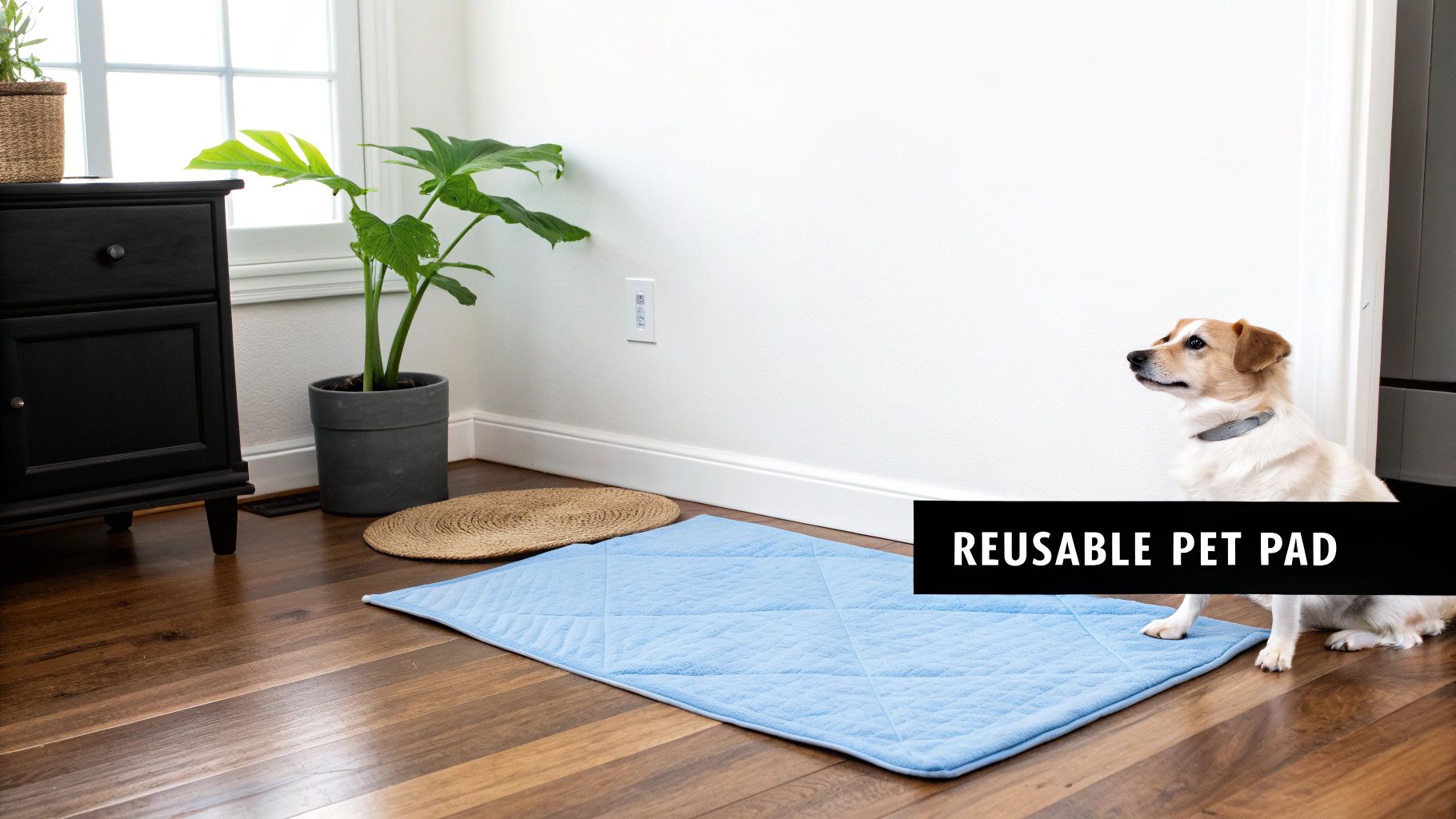
Think about it: no more late-night runs to the store, no more overflowing trash cans filled with flimsy, soiled pads. That’s the freedom a reusable dog pee pad gives you. It’s a modern, practical approach for pet owners who want something more dependable and eco-friendly.
These aren’t just basic mats. They are cleverly designed with multiple layers, each with a specific job. You’ve got a soft top layer for your dog’s comfort, a super-absorbent core to quickly lock away moisture, and a completely waterproof backing that acts as the last line of defense for your floors.
Why Pet Owners are Making the Change
The move toward reusable options is more than just a passing fad; it’s a significant shift in how people care for their pets. The pet pee pads market, valued at a hefty USD 366.75 million in 2023, is expected to keep climbing. With around 88 million dogs in the US, it’s clear that owners are actively searching for better solutions.
So, what’s driving this change? Today’s pet parents are savvy—they want products that deliver real, tangible benefits. A reusable pad checks all the boxes:
- Serious Long-Term Savings: You buy it once, and it lasts for years. That initial purchase quickly pays for itself, saving you hundreds of dollars that would have gone toward disposable pads.
- Performance You Can Count On: Let’s be honest, disposables can be hit or miss. High-quality reusable pads offer far better absorbency and leak protection, meaning fewer messes and a cleaner home.
- A Greener Paw Print: Choosing a washable pad dramatically cuts down on your household waste. You’re no longer contributing to the mountains of single-use products heading to landfills.
Reusable vs. Disposable Pads at a Glance
When you’re standing in the pet aisle, the choice can seem overwhelming. Let’s break down the key differences to make it easier.
| Feature | Reusable Pee Pad | Disposable Pee Pad |
|---|---|---|
| Upfront Cost | Higher initial investment | Lower per-pack cost |
| Long-Term Cost | Significant savings over time | Continuous, recurring expense |
| Environmental Impact | Low; reduces landfill waste | High; contributes to landfill and plastic waste |
| Absorbency | High; multi-layer design locks in moisture | Varies; can leak or shred |
| Durability | Built to withstand hundreds of washes | Single-use; easily torn by paws or teeth |
| Convenience | Requires washing and drying | Quick and easy to dispose of |
While disposable pads offer grab-and-go convenience, reusable pads are the clear winner for cost-effectiveness, performance, and sustainability.
This guide is here to walk you through making this smart transition. We’ll cover everything from picking the perfect pad to training your pup, so you feel confident every step of the way. To find a comfy and protective spot for your best friend, check out our collection of high-quality beds and mats.
What Are the Real Perks of Switching?
Deciding to use a reusable dog pee pad isn’t just about swapping one product for another. It’s a choice that has a real ripple effect, positively impacting your wallet, the environment, and even your daily routine. The upsides are both immediate and long-term, transforming what was once a constant expense into a smart, one-and-done investment.
The first thing you’ll probably notice is the savings. Yes, a single reusable pad costs more upfront than a pack of disposables, but that initial cost is quickly offset. Think about it: you buy one quality pad that lasts for years, instead of a new pack of disposables every few weeks. That recurring expense is just… gone. It frees up cash for more fun stuff, like toys and treats for your pup.
Better for the Planet, Better for Your Floors
Beyond your bank account, there’s a massive environmental benefit. Disposable pads create an incredible amount of waste. While the pet pad market is projected to hit USD 3.2 billion by 2034, disposables are still the main culprit, with over 4.6 billion of them produced every single year. When you opt for a washable pad, you’re making a conscious choice to cut down on the amount of trash your household sends to the landfill.
But let’s be honest, performance is what really matters at home. This is where high-quality reusable pads truly shine.
- Seriously Absorbent: They’re built with multiple layers that pull moisture away from the surface almost instantly. This keeps your dog’s paws dry and comfortable, and the absorbent core locks in way more liquid than the average disposable.
- Totally Leak-Proof: A tough, waterproof backing is your best friend. It stops any moisture from seeping through to your beautiful hardwood floors or carpets, saving you from potential stains and expensive damage.
- Puppy-Proof Durability: We all know how quickly a playful pup can tear a flimsy disposable pad to shreds. Reusable pads are made from durable fabrics designed to withstand chewing, scratching, and hundreds of trips through the washing machine.
Switching to a reusable pad means you can finally stop worrying about shredded messes and puddles on the floor. You’re investing in a dependable system that protects your home, day in and day out.
The Real Value? Peace of Mind.
At the end of the day, the biggest win is just how much easier life gets. You’ll never again have that “oh no” moment when you realize you’re on your last disposable pad, especially when it’s pouring rain outside. A clean pad is always on hand, ready to go.
This simple reliability makes potty training and daily clean-up so much less stressful. It turns a constant source of anxiety into a manageable part of your routine. When you add up the financial savings, the eco-friendly impact, and the superior performance, making the switch to a reusable dog pee pad is one of the smartest decisions a modern pet owner can make.
How to Choose the Perfect Reusable Pad
Finding the right reusable pee pad can feel a bit like picking out the perfect raincoat—you need the right fit, the right material, and enough protection to handle a downpour. If you focus on four key things—absorbency, material, size, and backing—you can find a pad that works for your dog and your home.
Think of it as a small investment now for a lot of peace of mind (and protected floors) later.
Match Absorbency to Your Dog’s Needs
Absorbency is your first line of defense against messes, and it’s definitely not a one-size-fits-all situation. The amount of liquid a pad can hold needs to match your dog’s size, age, and potty habits. After all, a tiny Chihuahua puppy has very different needs than a large, older Golden Retriever struggling with incontinence.
- Light Absorbency: This is perfect for small breeds, puppies who are almost fully housetrained, or dogs that just have an occasional “oops.”
- Moderate Absorbency: This is the sweet spot for most adult dogs. It provides reliable, everyday protection without being overly bulky.
- Heavy-Duty Absorbency: You’ll want to go for this level of protection for large breeds, senior dogs, households with multiple dogs sharing a pad, or when you need to leave your dog alone for a few hours. These pads have super-thick cores designed to lock away a serious amount of moisture.
Find the Right Material and Size
The materials used in a reusable pad make a huge difference in your dog’s comfort, how well the pad controls odor, and how quickly it dries. The goal is to find a surface that feels inviting to your dog but is tough on messes.
To help you decide, here’s a quick comparison of the most common materials you’ll find.
Pad Material Feature Comparison
| Material | Key Benefit | Best For | Consideration |
|---|---|---|---|
| Fleece | Ultra-soft and fast-wicking | Puppies and picky dogs who value comfort. | Can sometimes pill after many washes. |
| Microfiber | Highly absorbent and quick-drying | Homes needing maximum liquid absorption and fast turnaround after washing. | May hold onto odors if not washed properly. |
| Cotton Blend | Breathable and durable | General-purpose use; good for dogs without specific sensitivities. | Can take longer to dry than synthetic options. |
| Bamboo Charcoal | Natural odor control | Odor-sensitive households or for use in smaller, enclosed spaces. | Often comes at a slightly higher price point. |
Each material has its own strengths, so think about what matters most to you—is it a super-soft feel, lightning-fast drying, or top-notch odor control?
Once you’ve thought about materials, it’s time to get out the measuring tape. Size is just as important.
A common mistake is buying a pad that’s too small. This almost guarantees your dog will miss the target now and then. Measure the spot where you plan to put it—whether it’s in a crate, a playpen, or a corner of the living room—to ensure there’s plenty of room for your dog to circle and get comfortable.
This visual shows a few of the biggest reasons people decide to make the switch from disposable pads in the first place.
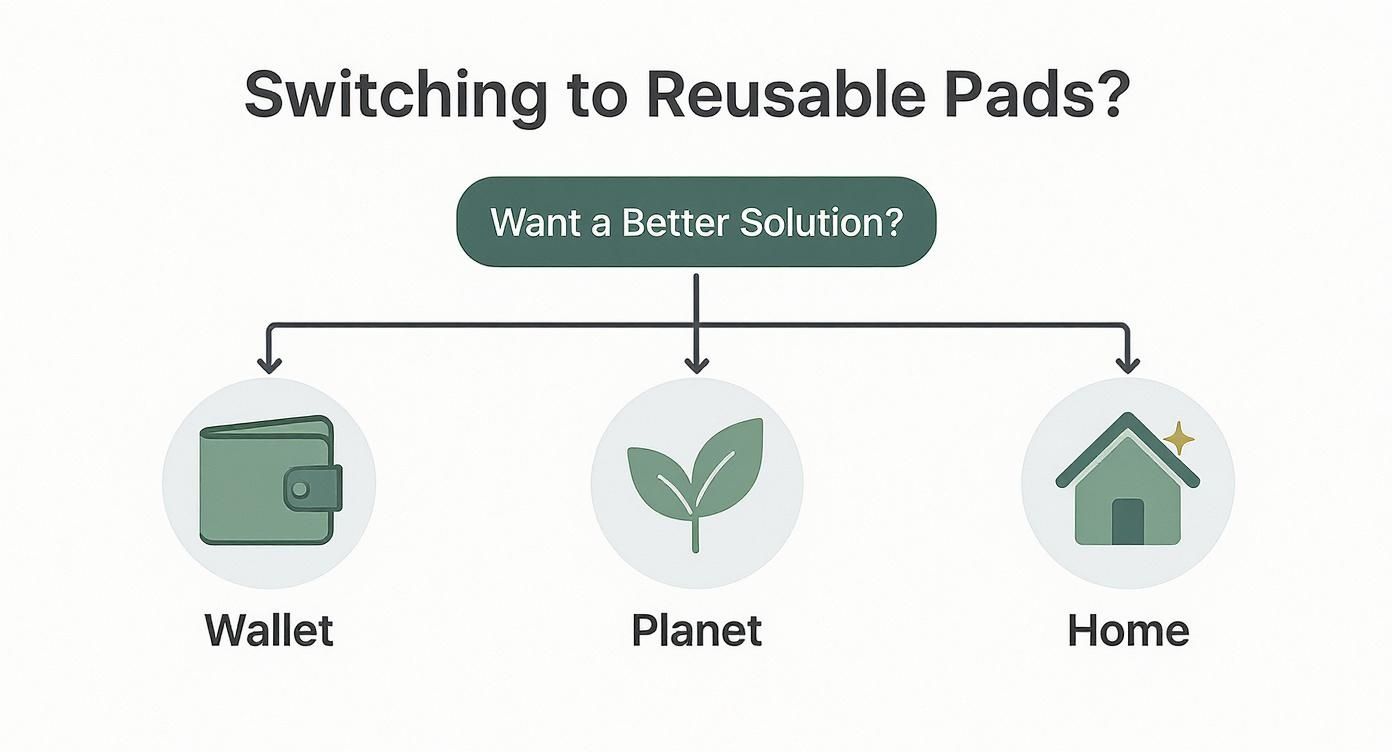
As you can see, the decision often comes down to a mix of practical benefits: saving money, reducing waste, and simply keeping the house cleaner.
The Non-Negotiable Waterproof Backing
Last but not least, let’s talk about the single most critical feature of any reusable pad: the backing. A 100% waterproof and non-slip backing is absolutely non-negotiable. This bottom layer is the final barrier between any liquid and your beautiful floors, preventing leaks even when the top of the pad is completely soaked.
The non-slip grip is just as crucial. It keeps the pad from sliding around, which is a big deal for playful puppies who might bunch it up or older dogs who aren’t as steady on their feet. For an option that brings this same protection to your couches and car, you can find versatile products like a reusable dog pee pad blanket that offer both high absorbency and a secure, waterproof backing.
Training Your Dog to Use the New Pad
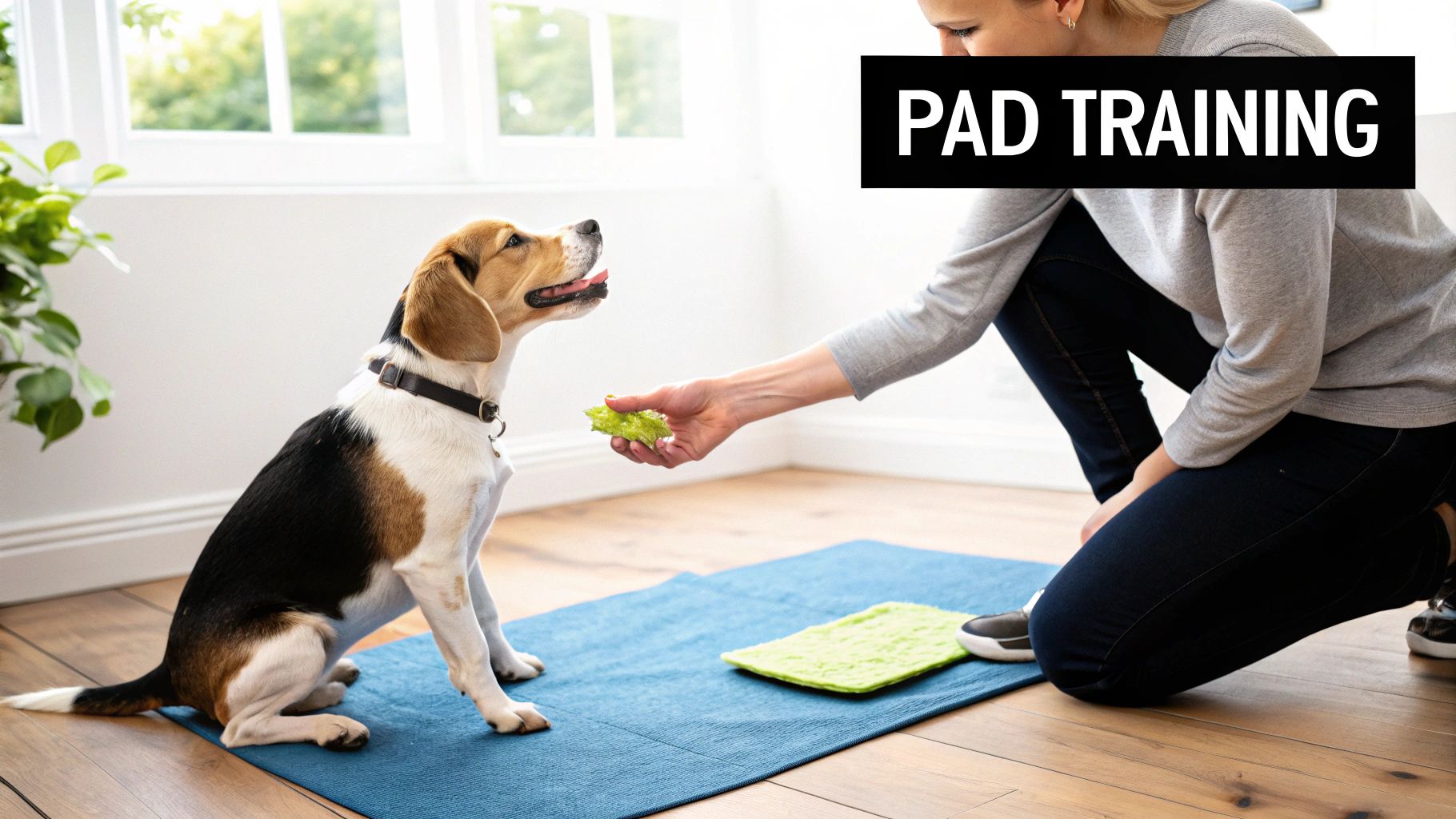
Getting your dog to embrace a new potty spot is a lot like teaching them any other trick. It all comes down to patience, a solid routine, and a ton of positive reinforcement. When you’re making the switch to a reusable pad, you want to make the transition as smooth as possible so your dog understands the new house rules.
Your first move? Wash and dry the new pad before you ever put it down. It’s a simple but crucial step. This gets rid of any “factory smells” and actually helps kickstart its absorbency. Then, pick a permanent spot for it—somewhere quiet and away from their food, water, and bed. Dogs are clean creatures by nature and don’t like to do their business where they eat or sleep.
Setting the Stage for Success
Once the pad is in its new home, it’s time for the formal introduction. If you’ve been using disposable pads, here’s a great trick: just place the new reusable pad underneath the old one for a day or so. This lets your dog’s familiar scent transfer over, which makes the new pad much less intimidating.
Starting from scratch? You might want to grab a potty training attractant spray. A quick spritz can send a clear signal to your dog that this is the new official potty destination.
Positive reinforcement is everything here. The second your dog uses the pad correctly, shower them with praise, pets, or a super tasty treat. You’re building a powerful, happy connection between them and that pad.
A Step-by-Step Training Plan
Consistency is the name of the game. If you stick to a plan, you’ll help your dog build good habits that last a lifetime.
- Build a Routine: Get into the rhythm of taking your dog to the pad at key moments. Think first thing in the morning, right after meals, and following a good play session. These are the times they’re most likely to need to go.
- Use a Cue Word: As your dog is doing their thing on the pad, use a consistent verbal cue like “go potty” or “potty time.” Over time, they’ll connect the phrase with the action, which can be incredibly helpful.
- Handle Accidents with Grace: Accidents are going to happen. It’s just part of the process. The key is not to scold or punish your dog. Just clean it up thoroughly with an enzymatic cleaner to completely erase the scent so they don’t get confused and return to the scene of the crime.
By turning training into a fun game of routine and rewards, you’re setting everyone up for a win. If you’re also thinking about outdoor solutions, you can find some great ideas in guides on effective dog potty areas.
Washing and Maintaining Your Reusable Pads
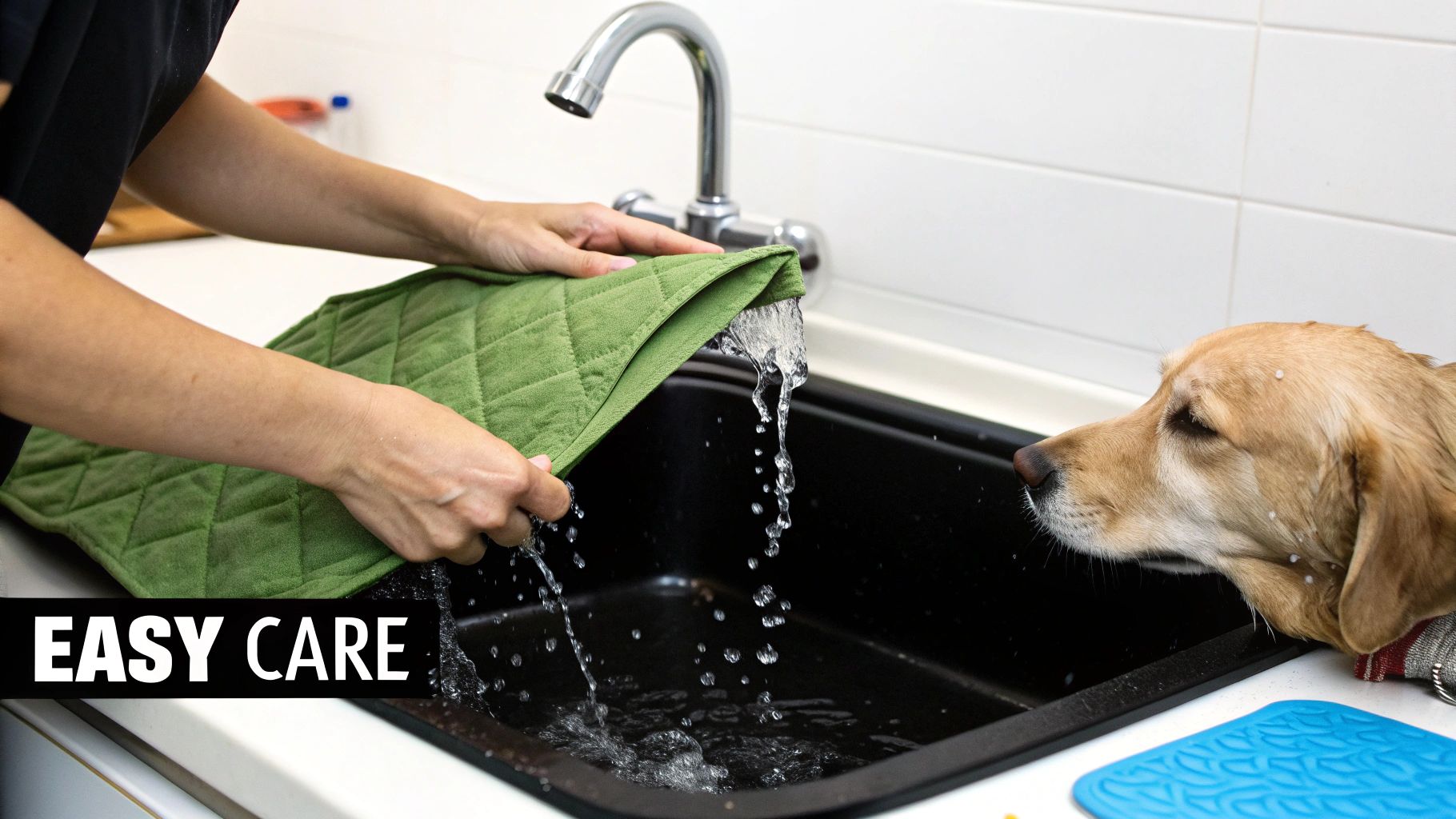
Keeping your reusable pee pads clean is a lot easier than you might imagine. A good, consistent washing routine is all it takes to keep odors at bay and extend the life of your pad. Think of it less as a dreaded chore and more as simple upkeep for a piece of gear that saves your floors.
The secret to a truly clean pad starts before it ever sees the inside of your washing machine. I always recommend a quick pre-rinse to get rid of any solid bits and excess urine. This little step makes a huge difference—it keeps gunk from building up in your machine and lets the detergent get right to work on the real smells and stains.
The Best Washing Routine
When it’s time for the main event, a simple wash cycle does the trick. You should always give the manufacturer’s care tag a quick look, but a warm water setting is usually the sweet spot. It’s effective for sanitizing but gentle enough that it won’t harm the waterproof backing. I’d steer clear of hot water, as it can degrade that crucial waterproof layer over time.
What you wash it with is just as important as how you wash it. The right products will protect the pad and your pup.
- Detergent: A mild, pet-safe detergent is your best bet. When you’re picking out cleaning supplies, consider using phosphate-free laundry detergents, as they tend to be gentler on fabrics and the environment.
- Fabric Softener: This is a big one: Always skip the fabric softener. It leaves a waxy film on the fabric that completely ruins the pad’s ability to absorb moisture.
- Bleach: Stay away from chlorine bleach. It’s too harsh and can break down the waterproof material and weaken the fabric itself.
Drying correctly is the final piece of the puzzle. Letting the pad air-dry is the gentlest option, but you can certainly toss it in the dryer on a low or medium heat setting. Just avoid high heat, which can cause the pad to shrink or, worse, damage that all-important waterproof layer.
Dealing With Stubborn Odors
Even with perfect washing habits, you might eventually notice a faint ammonia smell start to creep in. Don’t worry, this is totally normal and there’s an easy fix. A deep clean every now and then will have it smelling fresh again.
If your pad needs a reset, try a pre-soak. Just let it sit in a solution of one part white vinegar to four parts water for about 30 minutes before you wash it. The vinegar is fantastic at breaking down the uric acid crystals that are causing that lingering smell.
For those really tough, set-in odors, an enzymatic cleaner is your best friend. These products use specialized enzymes to literally break down and digest the organic waste, eliminating the source of the smell instead of just covering it up. For more great ways to keep your home smelling fresh and clean, take a look at our full range of grooming and cleaning supplies.
Troubleshooting Common Pee Pad Problems
Even the best dog and the best pee pad can have a few off days. If you’re running into some trouble with your new reusable pad, don’t throw in the towel just yet. Most of these little bumps in the road have a surprisingly easy fix.
The most frequent complaint I hear is a dog that acts like the pad is invisible. This isn’t your dog being stubborn; it’s usually an issue with location or a simple lack of familiarity. Is the pad sitting in the middle of a busy hallway? Your dog might feel a little too on display. Try tucking it into a quieter corner for a bit more privacy.
My Dog Won’t Use the Pad
If a change of scenery doesn’t do the trick, the problem is likely scent-related. Your dog just doesn’t recognize this new, clean thing as their spot to go. Let’s fix that.
- Scent Transfer: The easiest hack is to use their own scent. If you have an old disposable pad they’ve used, just lay it on top of the new reusable one for a little while. This sends a clear signal that this new spot is the officially sanctioned potty zone.
- Positive Reinforcement: This is huge. The moment you see your dog even sniff the pad, praise them. When they finally use it, reward them immediately with a super tasty treat. You’re building a powerful connection in their mind: “Peeing here = good things happen!”
- Attractant Sprays: Sometimes you need a little extra nudge. A potty attractant spray can work wonders. Just a quick spritz in the middle of the pad acts like a big, flashing neon sign pointing them in the right direction.
Dealing with Chewing and Bad Smells
Another common issue is a funky smell that just won’t wash out. You know the one—that faint but persistent ammonia odor. This is usually caused by urine crystals getting trapped deep in the fabric. A simple laundry stripping soak with white vinegar or a good enzymatic cleaner before you run the main wash cycle will break down those stubborn residues and bring back that fresh-out-of-the-box smell.
And finally, the big one: what if your dog thinks the pad is a new chew toy?
Chewing is almost always a sign of boredom, especially in puppies. The key is to redirect the behavior, not to punish it. Make sure your pup has plenty of other, more exciting chew toys to keep them busy.
If you have a serial chewer on your hands, look for pads made with tougher, more durable fabrics. A tightly woven material is often much less satisfying to shred. With a little patience and these simple tricks, that reusable pad will go from a source of frustration to a reliable part of your routine.
Frequently Asked Questions
Alright, so you see the benefits, but a few practical questions are probably bouncing around in your head. That’s completely normal. Moving away from disposable pads is a shift, and it’s smart to get all the details sorted out before you dive in.
Let’s tackle some of the most common things people ask. We’ll get into the nitty-gritty of how many pads you actually need to own and explore some other genius ways to use these things around the house.
How Many Reusable Pads Do I Need?
This really boils down to your dog and your laundry habits. For most people, the magic number is three. Having three pads in rotation is the sweet spot that keeps things from getting stressful.
Here’s the simple system I always recommend:
- One on the floor: This is the active pad your dog is using.
- One in the laundry: This one is getting cleaned up.
- One ready to go: This is your clean, dry backup, waiting on the shelf for a quick swap.
Now, if you’re dealing with a tiny puppy who has accidents every hour, a senior dog struggling with incontinence, or a multi-dog household, you’ll thank yourself for getting four or even five. It just gives you that extra buffer so you’re not constantly feeling pressured to throw a load of laundry in.
How Long Do Reusable Pee Pads Last?
This is where reusable pads truly shine. A well-made, quality pad isn’t a short-term fix; it’s a long-term investment. With proper care, you can expect it to hold up through hundreds and hundreds of wash cycles.
Think about that for a second. Unlike a flimsy disposable pad that you use once and toss, a good reusable one will serve you reliably for years. That durability is what saves you so much money and keeps a mountain of waste out of landfills.
Can I Use These Pads for Other Things?
Oh, absolutely! Once you have them, you’ll start seeing them as all-purpose problem solvers. Their whole design—absorbent on top, waterproof on the bottom—is useful in so many situations beyond just a potty spot.
I tell people to think of them as portable protection mats. Here are a few ways my clients use them:
- Furniture Savers: Throw one over the sofa or your dog’s favorite armchair to catch fur, drool, or muddy paws.
- Car Seat Covers: An absolute must for keeping your car clean on the way back from a messy park adventure or a vet visit.
- Crate Liners: They add a comfortable, absorbent, and easily washable layer inside a crate or travel carrier.
- Whelping Pads: For breeders or rescues, they provide a clean, soft, and hygienic surface for a new mama dog and her puppies.
Ready to make the switch to a smarter, more sustainable solution? Check out the premium collection of pet care essentials at Ur Pet Store and find the perfect reusable pad for your home and lifestyle. You can find your ideal solution at https://urpetstore.com today.