

Blog
Best Reusable Pee Pads for Dogs An Expert Guide

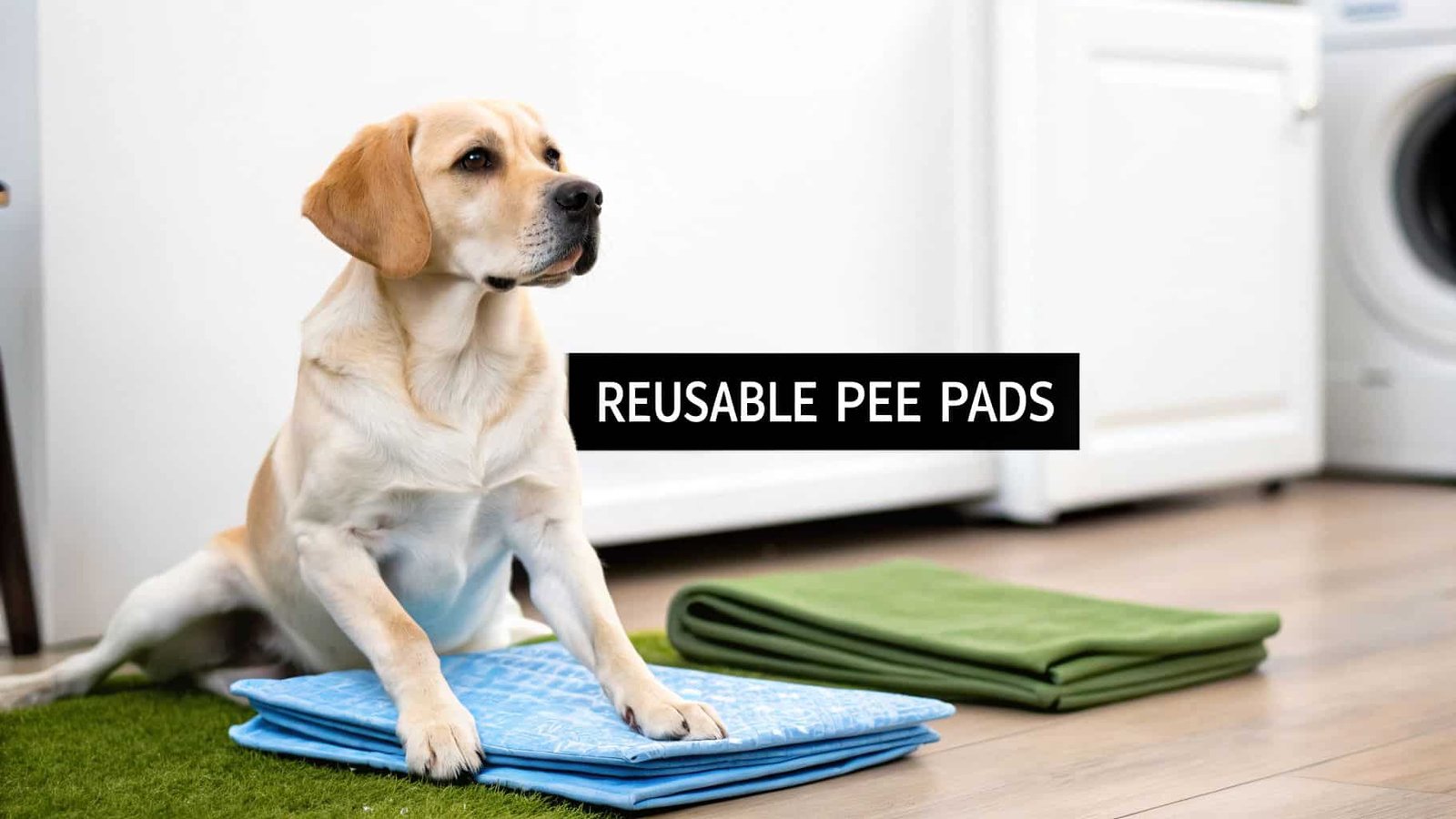
If you’ve ever stared at a growing pile of used disposable pee pads and thought, “There has to be a better way,” you’re not alone. The best reusable pee pads for dogs are that better way—a smart, sustainable solution that savvy pet owners are embracing.
They offer far better absorbency and can save you a surprising amount of money over time, making them a clear winner for you, your dog, and your wallet.
Why Savvy Dog Owners Are Making the Switch
For a long time, the only real option for indoor potty training was a pack of flimsy, single-use pads. This meant a constant cycle of buying, using, and tossing, which is both expensive and wasteful. Think of it like this: you wouldn’t use disposable paper plates for every meal, would you? Swapping disposables for a quality reusable pad is like switching to real plates—it’s a lasting investment that just makes sense.
More and more pet parents are realizing that washable pads aren’t just an alternative; they’re a massive upgrade. The two biggest reasons people are making the change are the significant long-term savings and the huge reduction in household waste.
The Financial and Environmental Impact
Sure, a reusable pad costs more upfront than one pack of disposables, but the savings add up fast. Instead of buying new pads month after month, you buy a few reusable ones that can last for years with the right care. It’s a small change that makes a big difference to your budget and the planet.
And let’s talk about the environmental side. Disposable pads create tons of plastic-lined waste that sits in landfills. Choosing a washable pad is a conscious choice to shrink your dog’s carbon pawprint. This isn’t just a niche idea; it’s a major trend in the pet industry as people actively look for more sustainable options.
In fact, the entire pet pad market is expected to grow from $1.5 billion in 2024 to roughly $3.2 billion by 2034. Washable pads are a huge driver of that growth, as more owners look for products that are both eco-friendly and cost-effective.
This infographic breaks down the main reasons why so many people are switching.
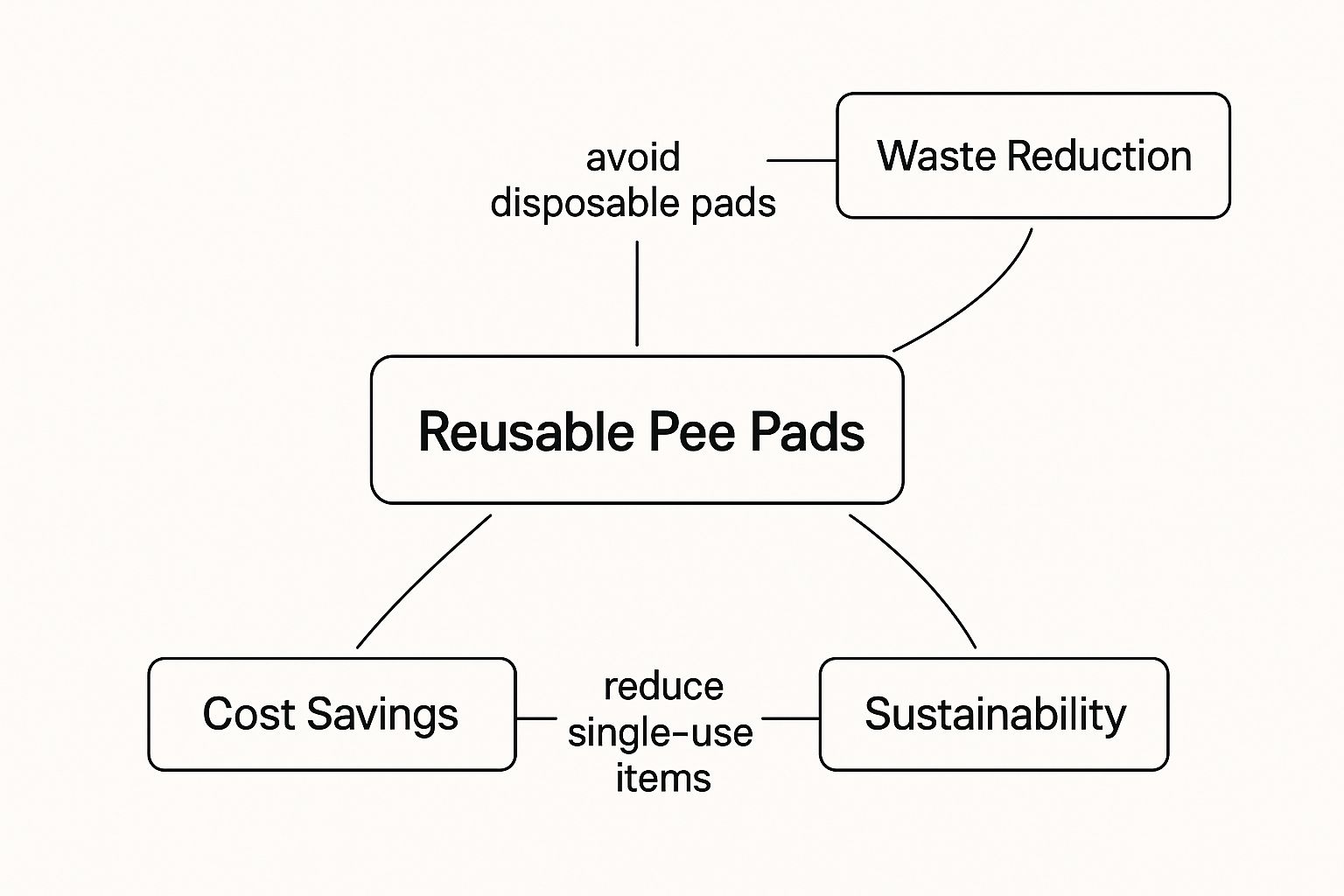
As you can see, it’s a clear win when you look at the money, the environment, and the simple practicality of it all.
A Smarter, More Durable Choice
Today’s reusable pads are engineered to perform. Unlike disposable ones that can bunch up, tear, or get shredded by a playful pup, a high-quality washable pad is built to last. They stand up to daily use and hundreds of washes without falling apart.
They also offer much better leak protection and usually have a non-slip backing to keep them from sliding around on your floors. The difference is night and day when you see them side-by-side. For a full comparison, take a look at our guide on reusable dog pee pads vs. disposable options.
Key Takeaway: Switching to reusable pee pads isn’t just a trend. It’s a practical, long-term strategy for saving money, cutting down on waste, and giving your dog a more reliable and comfortable potty solution.
How to Spot a High-Performance Pee Pad
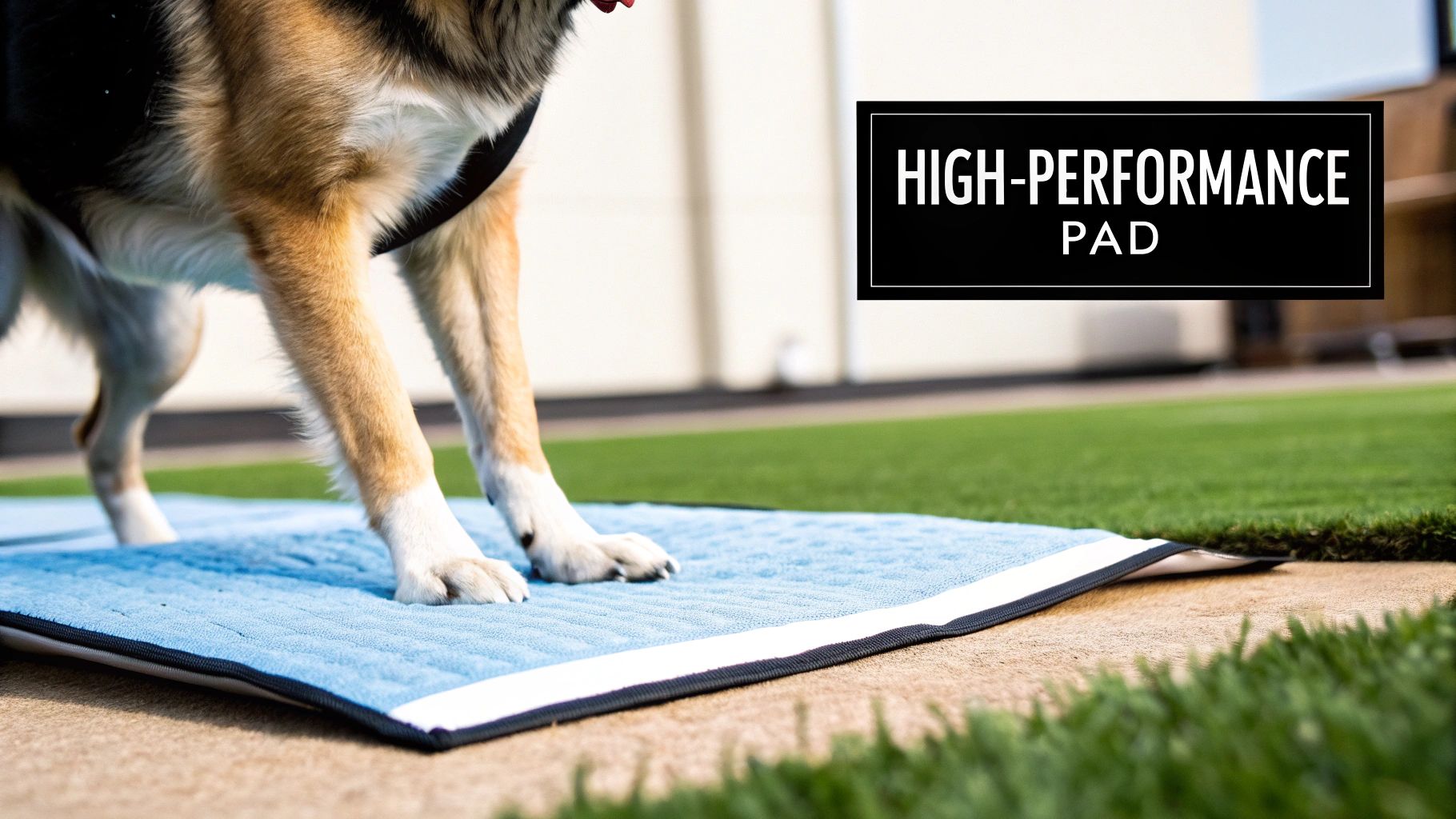
Let’s be honest, not all reusable pads are made the same. It’s easy to get lost in a sea of product descriptions, but figuring out what separates a top-tier pad from a leaky disaster really comes down to its construction. A truly great pad is an engineered system—think of it like high-tech athletic gear that pulls sweat away from your skin to keep you dry.
This smart design is what makes the best pads so effective and long-lasting. Once you know what to look for, you can eyeball any product and get a solid read on its quality, performance, and ability to actually protect your floors. Each layer has a specific job, and when they work together, they create a powerful defense against accidents.
The Four Layers of Superior Performance
The secret sauce of a truly great reusable pee pad is its multi-layer design. Imagine it’s a specialized sandwich, where every single ingredient is critical. If one layer gives out, the whole system fails, and you’re left with a wet floor and a mess to clean up.
Let’s pull back the curtain and look at the anatomy of a high-performance pad, starting from the top layer your dog actually touches and working our way down to the base that grips the floor.
1. The Quick-Drying Top Sheet
The very first layer your dog comes into contact with is the top sheet. Its main job is to feel soft and comfortable while wicking moisture away from the surface in a flash. This is absolutely key—if the surface dries quickly, you’re far less likely to have wet paw prints tracked all over your house.
The best pads use materials like quilted polyester or other soft, synthetic fabrics that pull liquid down and away almost instantly. This rapid wicking action keeps the surface feeling dry to the touch, which not only prevents messes but actually encourages your dog to use the pad again. Nobody, not even a dog, wants to step in a puddle.
2. The Ultra-Absorbent Core
Right below that top sheet is the heart of the operation: the absorbent core. This is where the real magic happens. The core’s mission is to soak up and lock away every drop of liquid, stopping it from ever bubbling back up to the surface or seeping through.
The materials here are what really determine a pad’s capacity. You’ll often find some impressive tech at work:
- Rayon/Polyester Blends: These soaker materials are fantastic at trapping large amounts of liquid fast.
- Bamboo or Microfiber: Known for their incredible absorbency-to-weight ratio, these fibers can hold many times their own weight in moisture.
- Super-Absorbent Polymers (SAP): Sometimes woven into the fibers, these tiny beads swell up and can absorb hundreds of times their weight, giving you maximum protection against leaks.
This push for better absorbency is driving the whole market. The puppy training pad industry, valued at nearly $1.79 billion in 2025, is expected to skyrocket to $3.89 billion by 2035. This growth is all about innovation in absorbency and odor control, with about 50% of new products featuring these high-performance materials. You can dig into more puppy potty pad market insights to see where the technology is headed.
Expert Insight: A pad’s absorbency is usually measured in ounces or cups. Make sure to check this spec—a quality pad for a medium-sized dog should easily hold at least four to six cups of liquid without breaking a sweat.
3. The Impenetrable Waterproof Barrier
The third layer is the silent guardian of your floors: the waterproof barrier. It doesn’t matter how absorbent the core is if there isn’t a completely leak-proof layer underneath it. This layer is usually made from TPU (Thermoplastic Polyurethane) or vinyl.
TPU is the material of choice for higher-end pads because it’s tough, flexible, and can handle hundreds of hot washes without cracking or falling apart. A cheap, flimsy plastic layer will break down quickly, leading to the very leaks you were trying to prevent. This barrier is your final guarantee that even when the core is full, your hardwood, tile, or carpet stays perfectly dry.
4. The Crucial Non-Slip Backing
And finally, we have the bottom layer, which provides safety and stability. The non-slip backing is non-negotiable for keeping the pad right where you put it. A playful puppy, a senior dog who’s a bit unsteady, or even just regular foot traffic can send a slick pad skidding across the floor.
This turns the pad into a serious slipping hazard for both your pets and your family. The best reusable pee pads for dogs will have a backing covered in small, rubberized dots or a textured finish that grips the floor tightly. It’s a finishing touch that doesn’t just prevent potty accidents—it prevents slips and falls, making it an essential safety feature.
Selecting the Right Size and Absorbency
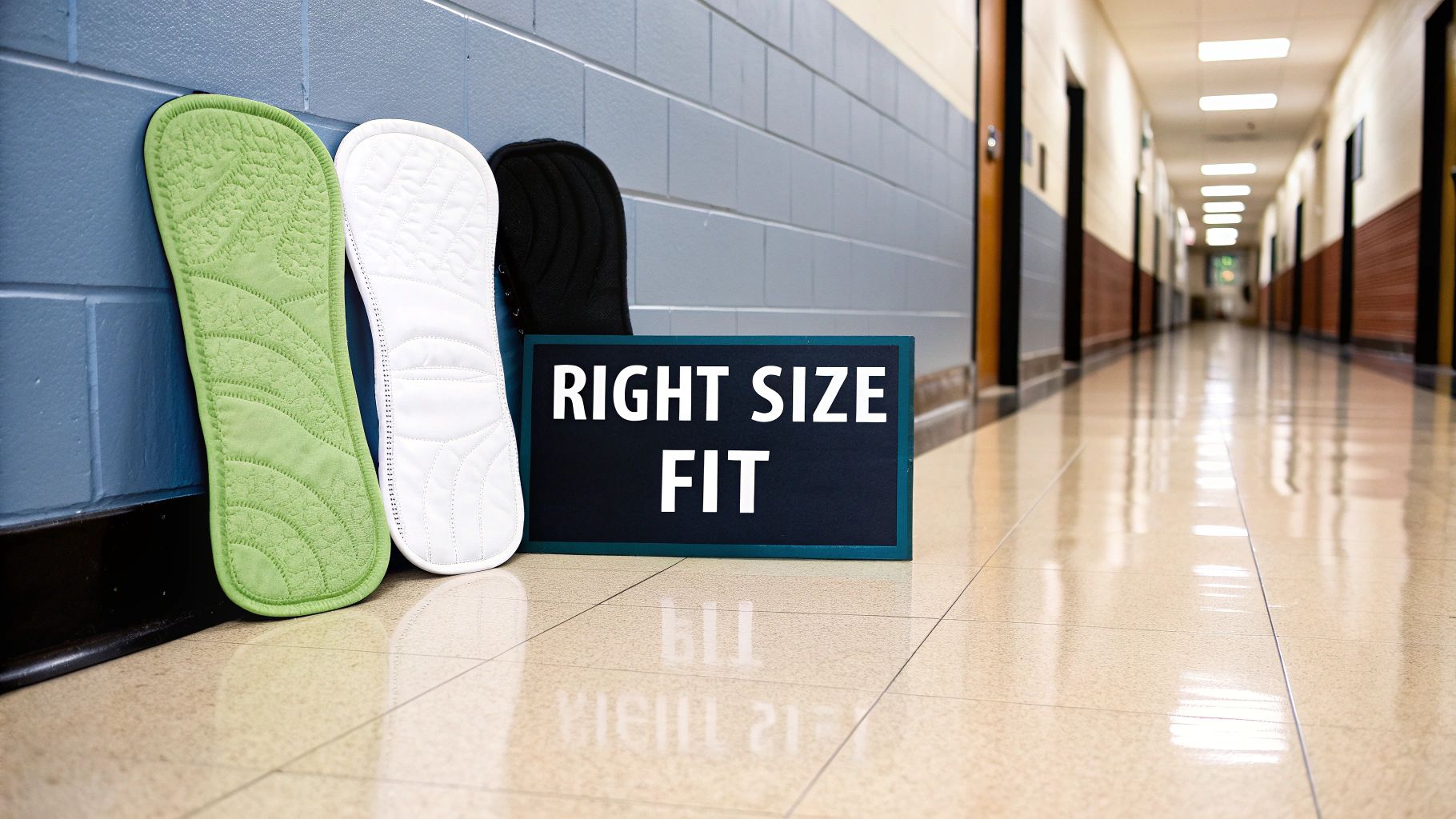
Picking the wrong size pee pad is easily the most common mistake I see pet owners make. It’s a shortcut to frustrating misses and messy floors, every single time. Finding the best reusable pee pads for dogs goes beyond just matching the pad to your dog’s weight; you have to get inside their head and think about their unique potty habits.
Think of it like trying to hit a tiny bullseye from across the room. A pad that’s too small for your dog is just that—a tiny target that’s incredibly easy to miss, setting both of you up for failure. When you understand the link between your dog’s behavior and the size of their pad, you can choose one that practically guarantees success.
Finding the Perfect Pad Size
Your dog’s physical size is a great place to start, but their habits tell the real story. Does your puppy still have that wobbly, uncertain aim? Or maybe your adult dog does that classic circling dance a dozen times before finally going? Both of these behaviors demand extra real estate.
When in doubt, always go a size up. Seriously. Giving your dog a bigger landing zone is the simplest way to prevent those annoying over-the-edge accidents. A larger pad creates a generous buffer zone, easily accommodating those pre-potty spins and ensuring even a slight miss still lands on the pad, not your hardwood.
Pro Tip: Before you buy, measure the spot where you plan to put the pad. Then, pick the biggest pad that fits comfortably in that space. This is a game-changer for maximizing coverage and giving your dog the best possible chance to get it right.
A tiny Yorkie might seem like a candidate for a small pad, but if that Yorkie likes to take a little stroll before doing their business, a medium pad is a much safer bet. This one small change can save you from a world of mopping.
To make it even easier, here’s a quick reference chart to get you started. Remember, this is a baseline—if your dog is a “circler” or has spotty aim, consider going one size larger than what’s recommended.
Dog Size to Pad Dimension Quick Guide
| Dog Weight (lbs) | Breed Examples | Minimum Pad Size (inches) |
|---|---|---|
| Up to 15 lbs | Chihuahua, Yorkie, Pomeranian | 24″ x 24″ |
| 16 – 30 lbs | Beagle, French Bulldog, Corgi | 30″ x 32″ |
| 31 – 50 lbs | Australian Shepherd, Basset Hound | 36″ x 48″ |
| 51+ lbs | Golden Retriever, German Shepherd | 48″ x 60″ or larger |
This table provides a solid starting point, but always trust your own observations about your dog’s specific needs.
Matching Absorbency to Your Dog’s Needs
Once you’ve figured out the size, the next critical piece of the puzzle is absorbency. It’s a lot like choosing a paper towel—you wouldn’t grab a flimsy, thin sheet to clean up a huge spill. A pad’s absorbency level is all about how much liquid it can lock away without leaking.
This isn’t just about your dog’s bladder capacity, either. It’s about your lifestyle. How long will the pad need to sit there before you can swap it out? The answer to that question will point you directly to the right absorbency level.
Here’s a simple breakdown:
- Standard Absorbency: This is perfect for puppies in the thick of potty training, small breeds with small outputs, or any home where the pad can be changed out frequently during the day.
- Heavy-Duty Absorbency: You’ll want to step up to this level for larger breeds, senior dogs who might be dealing with incontinence, or multi-dog households. These pads are also a lifesaver if you need them to last a full workday while you’re away.
- Maximum Absorbency: Think of this as the ultimate safety net. It’s the best choice for whelping, helping a dog recover from surgery, or for any pet with significant medical issues. They are built to handle a large volume of liquid, giving you total peace of mind.
A more absorbent pad doesn’t just hold more liquid; it also does a much better job of trapping odors, keeping your home smelling fresh. If you’re searching for a really versatile option to protect furniture or line a crate, a large reusable dog pee pad blanket can be a fantastic, multi-purpose solution.
By matching the pad’s absorbency to your dog’s age, health, and your daily schedule, you make the pad work for you, not the other way around.
Let’s Talk About Washing and Maintenance (It’s Not as Gross as You Think)
Alright, let’s get right to it—the “ick factor.” For many dog owners, the single biggest hang-up about switching to reusable pads is the thought of washing them. I get it. But honestly, keeping these pads clean is surprisingly simple and far less messy than you’re probably picturing.
With a solid routine, your pads will stay fresh, odor-free, and in great shape for years.
Think of it like washing your gym clothes. You have a system for it, right? You don’t just let sweaty gear fester in the hamper for a week. The same idea applies here. Once you get the hang of it, the process becomes second nature and keeps stains or smells from ever becoming an issue.
The Pre-Wash: Your Most Important Step
Before a soiled pad even gets near your washing machine, there’s one quick step that makes all the difference. This is the secret to an easy wash day.
First, get rid of any solid waste. Then, just give the pad a quick rinse. You can do this in a utility sink, with a hose outside, or even in the shower. The goal is to flush away most of the urine so your detergent can focus on deep cleaning the fabric.
My Two Cents: Don’t skip the pre-rinse. It takes less than a minute but it’s the single most effective thing you can do to guarantee a truly clean, odor-free pad comes out of the wash.
Nailing the Machine Wash Cycle
Once you’ve rinsed the pad, the hard part is over. Now, it’s just a matter of tossing it in your regular washing machine with the right settings. No special equipment needed.
Here’s the simple laundry recipe I recommend:
- Water Temperature: Go with warm or hot water. This is what really sanitizes the pad and kills off any lingering bacteria.
- Detergent: A good, fragrance-free liquid detergent works best. Powdered versions can sometimes leave a residue that messes with the pad’s absorbency over time. If you’re dealing with stubborn smells, an enzymatic cleaner made for pet stains is your best friend.
- Wash Cycle: A heavy-duty or regular cycle with an extra rinse is perfect. That second rinse is key to making sure every bit of soap is gone, which helps the pad stay as absorbent as possible.
Of course, accidents can still happen. Knowing some effective stain removal techniques will help you tackle any spots before they set in.
What to Keep Out of Your Wash
Just as important as what to do is what not to do. A few common laundry products can completely ruin a reusable pad’s ability to absorb liquid.
The “Never Use” List:
- Fabric Softener: This is public enemy number one. It coats the pad’s fibers with a waxy film that literally repels liquid. It’s the fastest way to make your pad useless.
- Dryer Sheets: These do the exact same thing as liquid fabric softener, coating the fibers and destroying their absorbent properties.
- Chlorine Bleach: Harsh bleach is tough on fabrics. Over time, it will break down the waterproof backing, causing it to crack and leak.
Avoiding these three things is non-negotiable if you want your pads to last. If you’re looking for the right supplies, we’ve got a great selection of pet grooming and cleaning products that are safe and effective.
Drying for a Long, Happy Pad Life
The final step is drying, and how you do it matters. While most pads can handle a machine dryer, air drying is always the gentlest option and the best way to protect that all-important waterproof layer.
If you opt for the machine, stick to a low or medium heat setting. High heat is the enemy of the waterproof backing and can cause it to degrade over time. Make absolutely sure the pad is 100% dry before you put it away or use it again. Even a slightly damp pad can quickly develop mildew and odors, and nobody wants that.
More Than a Potty Spot: Creative Ways to Use Your Pee Pads
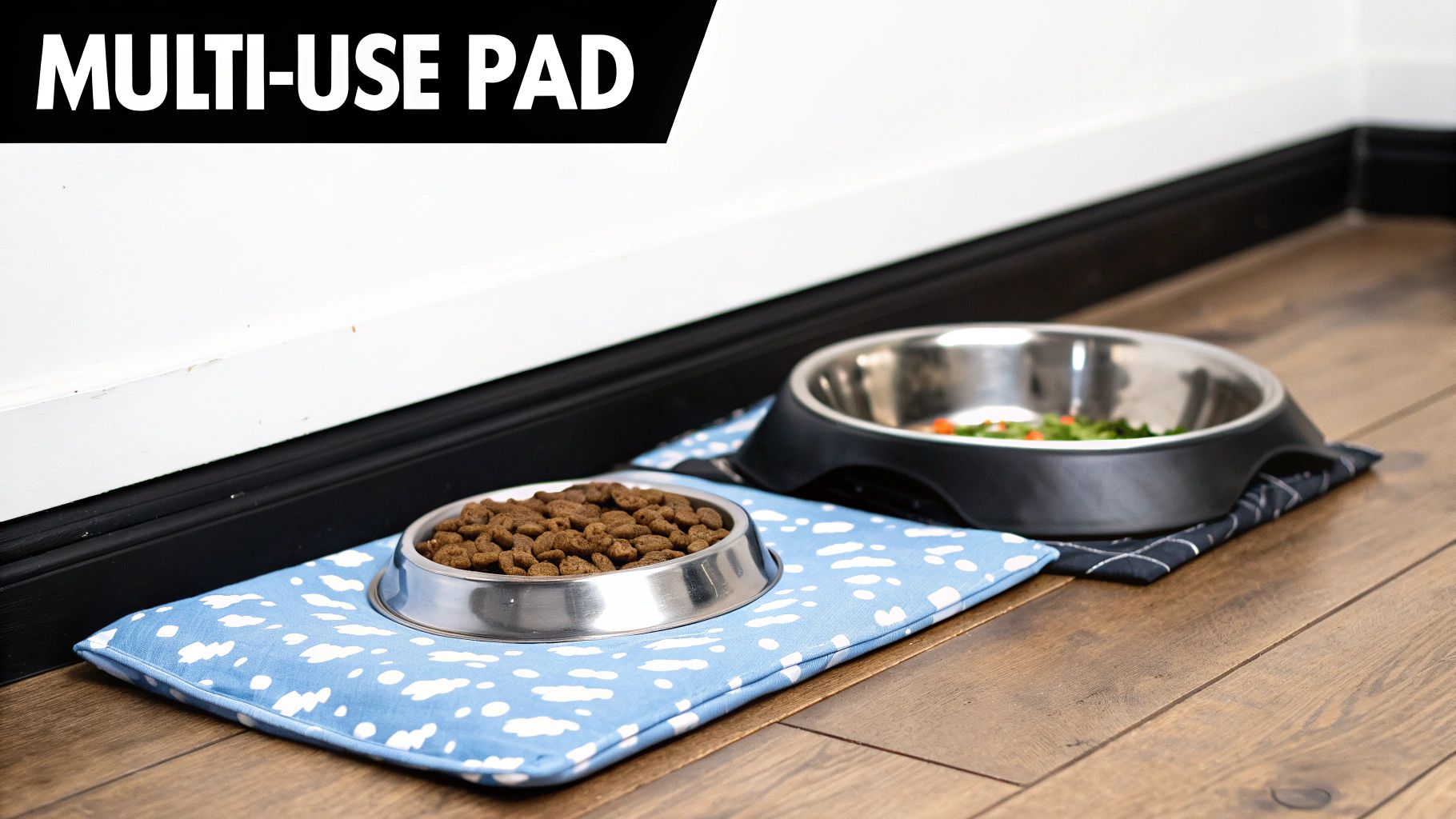
If you’re only using reusable pads for potty training, you’re missing out. That’s like having a high-tech smartphone just to make phone calls. The real magic of the best reusable pee pads for dogs is their incredible versatility. These things are the Swiss Army knives of pet ownership, solving dozens of little problems around the house.
Their tough, absorbent, and waterproof design is the key. This combo makes them perfect for all sorts of situations that have nothing to do with a designated potty corner. From protecting your furniture to keeping your dog comfortable, you’ll find yourself reaching for them again and again.
This adaptability is a huge reason they’ve become so popular. In fact, the global puppy pee pad market was valued at around $685 million in 2025 and is still growing, especially as city-dwelling pet owners look for convenient, clean solutions. You can dive deeper into the pee pad market’s continued expansion to see the trends for yourself.
Protecting Your Home and Vehicle
Let’s be honest, one of the best uses for a reusable pad is as a shield for your stuff. That waterproof backing saves your most valuable surfaces from messes and saves you from a lot of stress.
- Furniture and Bedding: Toss a pad over the couch, your favorite armchair, or the end of your bed. It’s a super simple way to guard against muddy paws, shedding fur, and the occasional drool spot, especially if you have a world-class snuggler.
- Car Seat Savers: Before heading out, lay a large pad across the backseat. It’s the perfect barrier against wet dog smell after a swim at the lake, car sickness, or just the usual shedding, keeping your car’s interior looking fresh.
Comfort and Care for Every Life Stage
Beyond just protection, these pads offer a soft, safe space for dogs at every age, from their first wobbly steps to their golden years. The comfy top layer and absorbent core create a cozy spot that also wicks away moisture.
Key Insight: The very same features that make a pad great for potty training—a soft top, an absorbent core, and a waterproof barrier—are what make it a fantastic liner, bed, or protective cover.
A good pad will adapt right alongside your dog as their needs change over time.
Whelping and Puppy Pens
For new moms and their litters, reusable pads are an absolute lifesaver. Lining a whelping box with them creates a soft, warm, and clean environment. They soak up messes instantly and can be swapped out in a flash, which is critical for keeping newborn puppies safe and healthy.
Crate and Kennel Liners
That hard plastic crate tray isn’t exactly inviting, is it? Placing a reusable pad inside adds a layer of comfort, turning the crate into a much cozier den for your dog. And if an accident does happen, the pad contains it all, keeping your pup dry and making cleanup as easy as tossing it in the wash.
Senior Dog Support
Older dogs often struggle with incontinence or have a harder time getting around. You can place a reusable pad on their favorite bed or resting spot to manage any leaks, ensuring they stay dry and comfortable. It’s a small change that can make a huge difference in their quality of life.
Everyday Convenience and Cleanliness
Finally, these pads are brilliant for managing all the small, day-to-day messes that come with having a dog.
Got a messy eater or drinker? A pad placed under their food and water bowls acts as the ultimate placemat, catching every splash and crumb. They’re also perfect for lining a playpen, creating a designated drying spot after a bath, or protecting your floors during a grooming session.
Common Questions About Reusable Pee Pads
Even after you’re sold on the idea of reusable pads, a few questions are bound to pop up. That’s totally normal. Nailing the small details is what makes the switch from disposables to reusables a complete success.
Think of this as your go-to guide for those nagging “what if” and “how to” questions. We’ll cover the most common concerns with clear, straightforward answers to help you feel confident about your choice and your new routine.
How Many Reusable Pee Pads Do I Really Need?
This is usually the first practical question people have, and for good reason. Having the right number of pads on hand is the secret to a stress-free cleaning cycle. It saves you from that “uh-oh” moment when you realize the only clean pad is still damp in the washer.
A great starting point is the “rule of three.” It’s a simple system that keeps you prepared 24/7:
- One pad in use: This is the pad on the floor, ready for action.
- One pad in the wash: The dirty one getting a good cleaning.
- One pad clean and ready: Your backup, clean and dry, waiting to be tagged in.
This rotation ensures you’re never caught without a fresh option. Of course, this is just a baseline. If you’re deep in the trenches of potty training a new puppy, have multiple dogs, or care for a senior with incontinence issues, you’ll probably want to bump that number up to four or five pads. It just means you don’t have to do laundry quite as often.
Will My Reusable Pads Eventually Start to Smell?
This is a huge, and very valid, concern. Nobody wants their home smelling like a kennel. The great news is that high-quality pads are designed to combat odors, and with the right care, they’ll stay fresh for a long, long time. Your laundry routine is your best weapon here.
Consistency is key. Always give soiled pads a quick rinse to get rid of excess urine before tossing them in the washing machine. Using an enzymatic detergent made for pet messes is fantastic, but even adding a cup of plain white vinegar to the wash cycle works wonders to neutralize those stubborn ammonia smells.
Critical Tip: Whatever you do, avoid fabric softeners and dryer sheets. They leave behind a waxy film that kills the pad’s absorbency and, even worse, traps the very bacteria that cause odors. This is the #1 reason pads start to hold onto smells.
Is It Safe to Use Bleach on My Reusable Pads?
It’s so tempting to reach for the bleach bottle to really sanitize things, but please don’t! Using chlorine bleach is strongly discouraged for almost all reusable pee pads. It’s just too harsh for their multi-layered construction.
Over time, bleach will eat away at the waterproof TPU or vinyl backing, making it brittle and causing it to crack and leak. It also breaks down the absorbent fibers, meaning the pad just won’t hold as much liquid.
For safe and effective sanitizing, a hot water wash is usually all you need (just be sure to check the manufacturer’s temperature guidelines). If you want an extra disinfecting boost, look for an oxygen-based, color-safe bleach alternative. These are much gentler on the fabrics and waterproof layer, so you can kill germs without killing your pads.
Are Reusable Pads Good for Large Breeds or Heavy Wetters?
Absolutely, but you have to choose the right tool for the job. Not all pads are created equal, and this is where you need to be a savvy shopper. A standard-sized, basic pad just isn’t going to cut it for a Great Dane or a dog that drinks a ton of water.
When you’re browsing, look for keywords like “heavy-duty,” “extra-absorbent,” or “premium.” The product description should give you a solid idea of its capacity, often measured in how many cups or ounces of liquid it can hold. A top-tier pad for a big dog should easily handle 8-10 cups without breaking a sweat.
Sizing up is also a must. A larger pad gives your dog a bigger target, which is crucial for large breeds. It also provides more surface area to soak up liquid, preventing it from getting oversaturated too quickly. Even with the best pads, accidents can happen off-target, so knowing the easiest way to clean up dog pee is always a good backup plan.
Ready to make the switch to a smarter, more sustainable solution? Explore the premium selection of durable and ultra-absorbent pee pads at Ur Pet Store and discover the perfect fit for your furry friend today. Visit https://urpetstore.com to see our collection.