

Blog
dog beds small washable: Your Guide to Cozy, Clean Pets

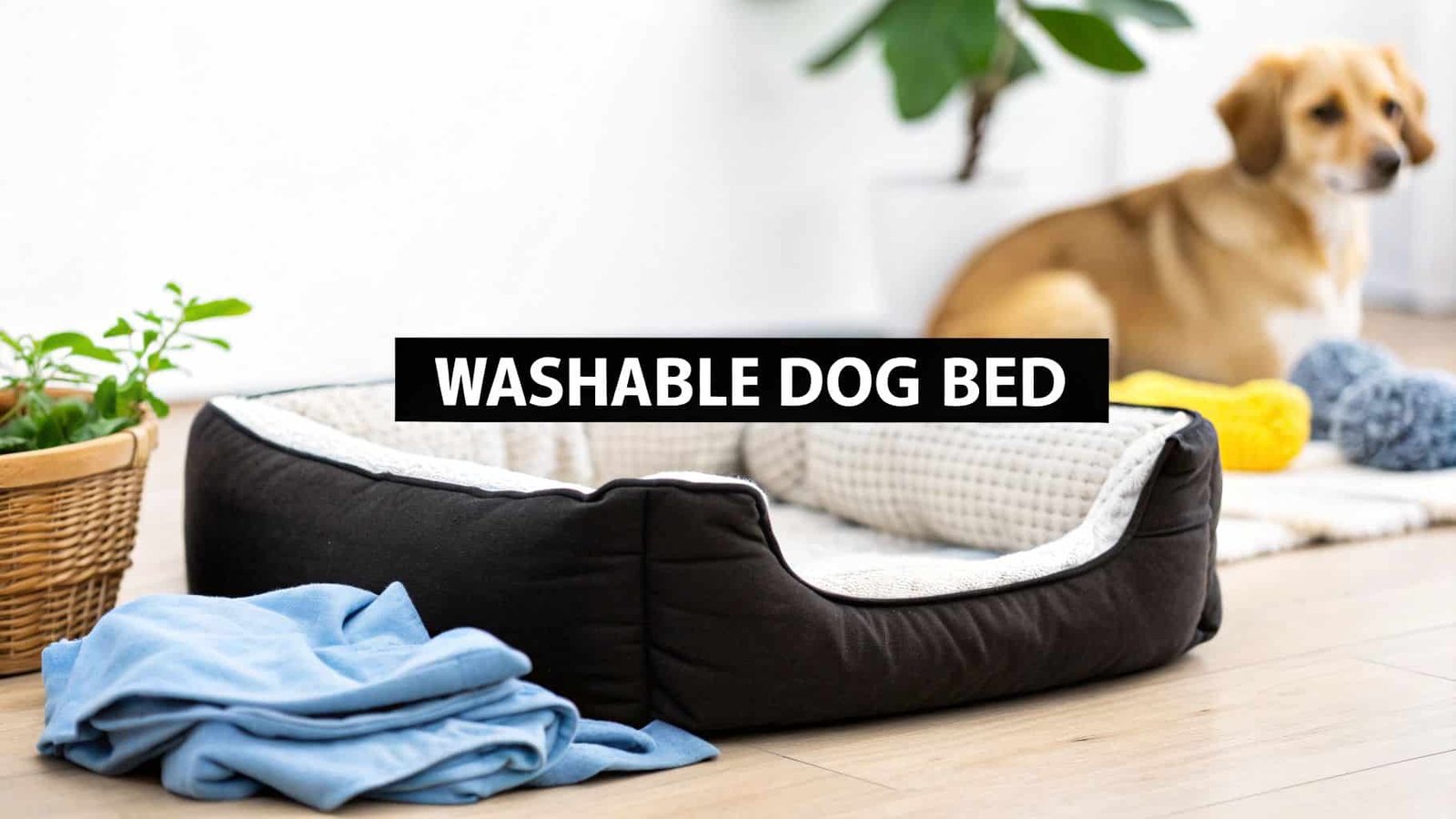
When you have a small dog, a washable bed isn’t just a nice-to-have item—it’s an absolute must for a healthy home. It’s the simplest way to deal with the inevitable dirt, occasional accidents, and allergens that build up over time. This single feature guarantees your little companion always has a clean, safe spot to relax.
It’s a small detail that makes a huge difference in keeping your home fresh and your dog happy.
Why a Washable Bed Is Essential for Your Small Dog
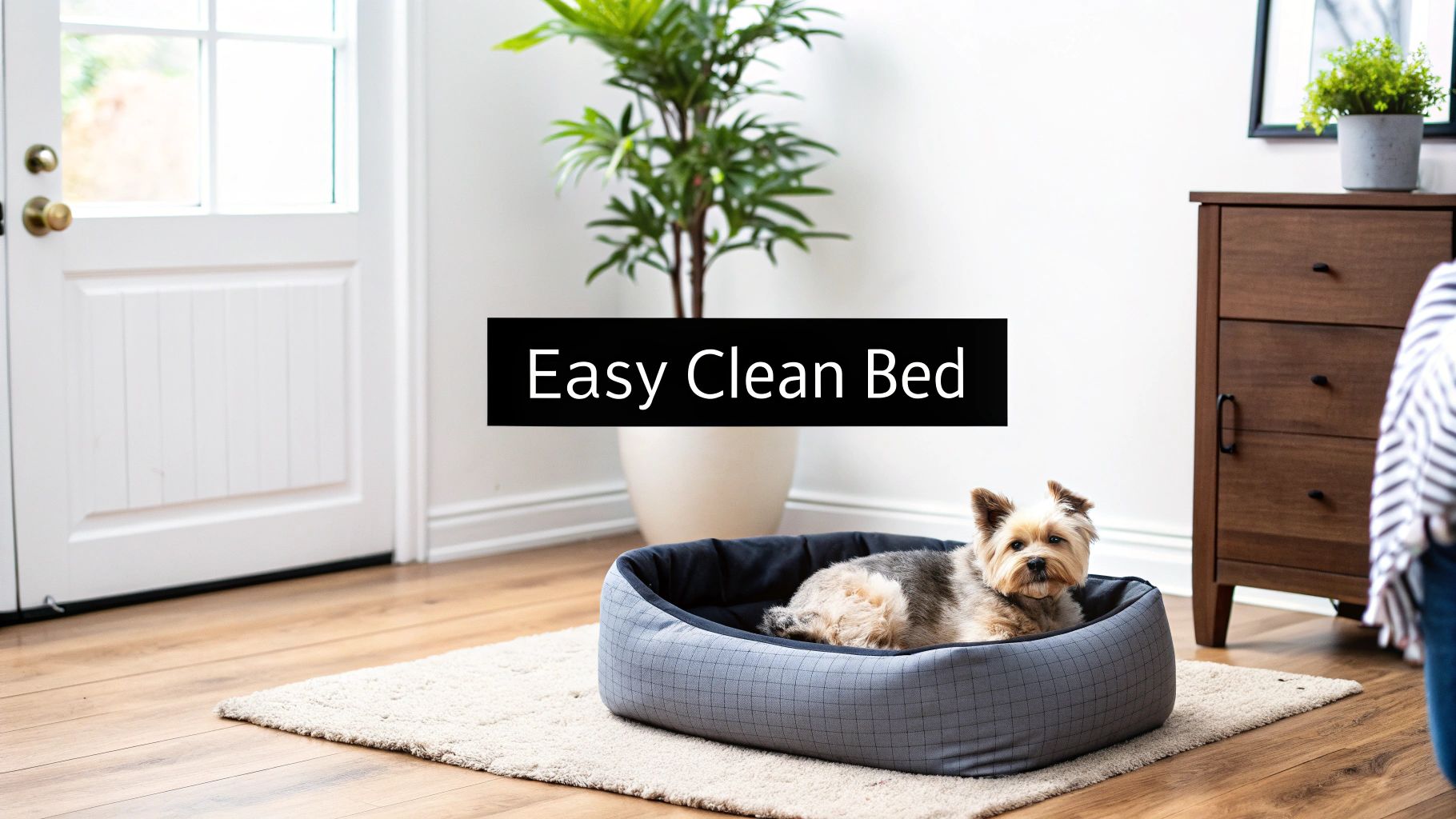
Picking the right bed for your small dog involves more than just finding something soft. Think of their bed as their own private sanctuary. It’s where they spend hours snoozing, gnawing on toys, and just being themselves. All that living means their favorite spot quickly becomes a hotspot for dirt, dander, germs, and allergens.
A dog beds small washable design is your first line of defense. Small breeds are lower to the ground and can be prone to skin issues, so a clean environment is non-negotiable. Tossing their bed in the wash gets rid of these invisible irritants, which goes a long way toward promoting healthier skin and reducing allergic flare-ups.
To quickly see why these beds are a game-changer, check out the key benefits below. This table gives a quick summary of the main advantages, helping you grasp the value before diving into the details.
Key Benefits of Small Washable Dog Beds
| Benefit | Why It Matters for Small Dog Owners |
|---|---|
| Effortless Cleaning | No more spot-treating or hand-scrubbing. A machine-washable bed saves you time and effort. |
| Superior Hygiene | Regularly washing the bed eliminates bacteria, allergens, and odors, creating a healthier space for your dog and family. |
| Increased Longevity | High-quality washable beds are built to withstand repeated washing, saving you money on replacements over time. |
| Accident-Proof | Perfect for puppies in training or senior dogs, as you can easily clean up messes without ruining the bed. |
These advantages work together to create a cleaner, healthier, and less stressful environment for everyone in the home.
A Foundation for Health and Hygiene
If you have a puppy or a senior dog, the perks of a washable bed are even more obvious. Accidents happen, but a washable bed ensures they don’t become a permanent, smelly problem.
Instead of battling stains or, even worse, having to throw out a brand-new bed, you can just pop the whole thing in the washing machine.
This simple act of washing restores the bed to a pristine, odor-free condition, preventing the growth of harmful bacteria that thrive in damp, soiled fabrics.
It’s easy to forget just how much grime can accumulate in fabrics. You can learn more about the hidden life of dirt and odors in household fabrics to get a better sense of what might be lurking in your pet’s bed. Taking a proactive approach to cleanliness doesn’t just save you time and stress—it also saves you the cost of constantly buying new beds.
This isn’t just a niche concern; it’s a major trend. In North America, over 75% of consumers say they prefer pet beds that are easy to clean and maintain. It’s clear that for modern dog owners, hygiene is just as important as comfort.
Choosing the Best Materials for Comfort and Cleaning
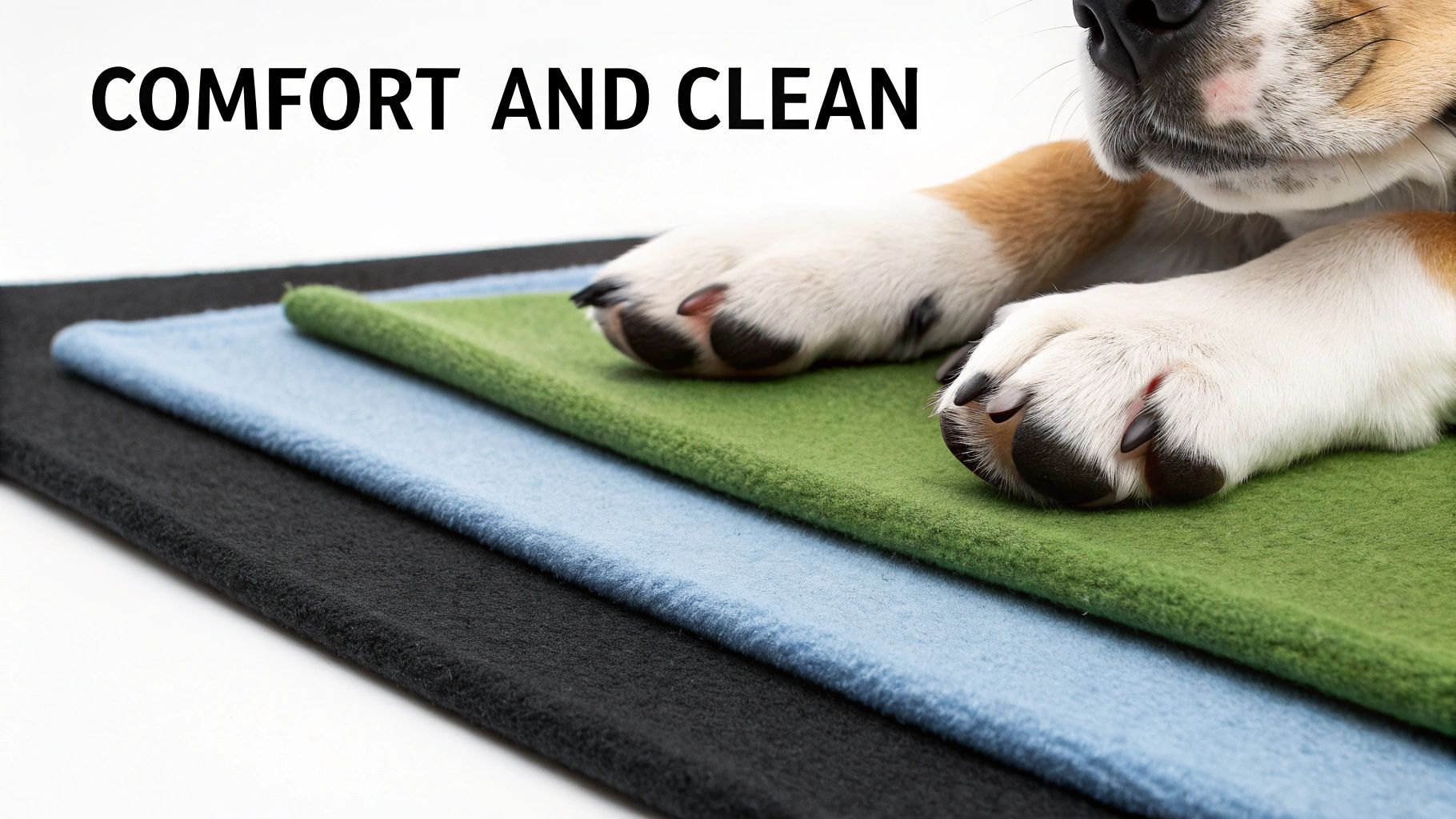
The material of a dog bed can be the difference between a beloved sanctuary and a forgotten floor ornament. We all have preferences for our own bedding, right? Whether you prefer crisp cotton sheets or a cozy flannel set, your dog has their own opinions about texture and support.
When you’re looking for a small washable dog bed, the real challenge is finding that sweet spot between your dog’s comfort and your need for easy cleaning and durability. Think of it this way: a plush fleece bed is like wrapping your dog in their favorite fuzzy blanket—perfect for a pup who loves to cuddle. On the other hand, sturdy canvas is like a reliable pair of work pants, built to handle a bit of rough-and-tumble without falling apart.
What’s on the Outside Counts: Common Cover Fabrics
To make the right call, it helps to know the personality of each fabric. Some are all about softness, while others are champions of resilience.
Here’s a quick look at what you’ll find:
- Fleece and Sherpa: These fabrics are the undisputed kings of cozy. They’re fantastic at trapping heat, which is a big plus for small dogs that get chilly. Just know they can be fur magnets and might start to pill after a lot of trips through the washer.
- Canvas and Denim: If you have a digger or a casual chewer, these are your go-to materials. They’re incredibly tough, easy to wipe down, and hold up exceptionally well in the wash. In fact, they often get softer and more comfortable over time.
- Suede and Microsuede: Want something that feels luxurious but doesn’t require a ton of maintenance? These synthetic fabrics offer a soft, velvety feel but are surprisingly good at repelling stains and fur. They strike a great balance between comfort and practicality.
To help you visualize the trade-offs, here is a simple breakdown of the most common materials.
A Comparison of Common Dog Bed Materials
This comparative analysis breaks down popular materials for small washable dog beds, highlighting their pros and cons for easier decision-making.
| Material | Best For | Washability | Durability |
|---|---|---|---|
| Fleece/Sherpa | Cuddlers and dogs who get cold | Good, but can pill and attract fur | Moderate |
| Canvas/Denim | Diggers, chewers, and active dogs | Excellent, gets softer with each wash | High |
| Suede/Microsuede | A balance of luxury and practicality | Very Good, stain and fur resistant | Good to High |
| Polyester/Nylon | Outdoor use and accident-prone dogs | Excellent, often water-resistant | High |
Choosing the right material really comes down to knowing your dog’s habits—are they a gentle napper or a determined nest-builder? Answering that will point you in the right direction.
What’s on the Inside Matters Even More: The Filling
The cover is only half the story. The filling inside is what provides support, and for small dogs—especially seniors or those with achy joints—it’s absolutely critical.
Orthopedic foam, particularly memory foam, is the gold standard. It molds to your dog’s body, cradling their joints and relieving pressure points. This can be a game-changer for maintaining their comfort and mobility as they get older. On the other end of the spectrum is polyester fiberfill, which is soft and budget-friendly but can get lumpy or go flat after repeated washing.
A waterproof liner between the outer cover and the inner cushion is a non-negotiable feature for a truly great washable bed. This simple barrier is a lifesaver, protecting the core filling from accidents and making sure the supportive structure lasts for years.
The demand for high-quality, easy-care materials is on the rise. We’re seeing more manufacturers focus on innovative fabrics that blend toughness with comfort. According to market research, the European market is seeing rapid growth as pet owners increasingly seek out beds made from sustainable and hypoallergenic materials. You can discover more insights about the pet beds market on databridgemarketresearch.com.
Finding that perfect mix of a durable, easy-to-clean cover and a supportive, long-lasting filling is the ultimate goal. If you’re ready to see what’s out there, you can check out our guide on beds and mats for styles designed with both your dog’s comfort and your convenience in mind.
Figuring Out the Best Bed Style for Your Dog
Ever watch your dog sleep? It’s more than just cute—it’s like getting a secret decoder ring for what they find most comfortable. Do they curl up into a tiny, tight little donut? Or do they sprawl out, legs everywhere, like they’re trying to fly in their dreams?
These aren’t just random quirks. They’re big, flashing signs pointing you directly to the perfect bed shape for them. Nailing this choice is the difference between buying a “nice enough” accessory and giving them a truly beloved safe space. Getting it right ensures your investment in a dog beds small washable model leads to countless hours of happy, restorative sleep.
For the Dogs Who Love to Curl Up
Lots of small dogs are natural-born curlers. It’s an old instinct, a holdover from their wild ancestors who’d curl up to stay warm and protect their bellies. If your dog often snoozes in a tight ball or tucks their nose under their tail, what they’re really looking for is a sense of security.
For these little snugglers, a donut or bolster bed is the absolute best fit. The raised, cushioned sides feel like being in a protected den or leaning up against their mom and littermates.
- Donut Beds: These are those super plush, round beds that completely surround your dog. They create an incredibly secure and cozy little nest.
- Bolster Beds: Think of these as a couch for your dog. They’re usually rectangular with raised edges on three sides, offering a built-in pillow to lean on while keeping one side open for an easy getaway.
This style of bed is basically a non-stop hug, which can do wonders for an anxious pup and help them settle down in a snap.
For the Pups Who Sprawl Out
Then you have the exact opposite: the sprawlers. These are the dogs who love to stretch out and take up as much real estate as possible. If your dog is usually on their side with legs straight out or flat on their belly like a little frog, they need room to move.
Trying to stuff a sprawler into a bed with high walls is like asking them to sleep in a box—it just feels cramped and uncomfortable.
The best choice for a dog who loves to stretch is a flat cushion or pillow-style bed. These designs offer plenty of surface area without any confining edges, letting your pup find their perfect sprawling position without feeling hemmed in.
These simpler, open beds are also super versatile and fit just about anywhere in the house. They offer all the padding a sprawler needs on a flat surface, giving them the freedom to get comfortable for a deep, unrestrained sleep.
For Seniors and Dogs Needing Extra Support
As our dogs get older, their sleep needs change, sometimes drastically. For senior dogs or any pup dealing with joint pain or arthritis, a simple soft surface just doesn’t cut it anymore. They need targeted support to take the pressure off their sore hips, elbows, and spine.
This is where an orthopedic bed becomes less of a luxury and more of a necessity.
These beds are usually made from high-density memory foam that perfectly contours to your dog’s body. This distributes their weight evenly and gets rid of those painful pressure points. It’s a level of crucial support that a basic, fluffy fiber-filled bed just can’t provide. By choosing an orthopedic bed, you’re not just giving them comfort—you’re actively helping their mobility and boosting their quality of life.
How to Wash a Dog Bed Without Ruining It
Let’s be honest, that “washable” tag on a dog bed can feel like a bit of a fib. It seems simple enough—just toss it in the machine, right? But if you’ve ever pulled out a lumpy, misshapen mess that used to be a fluffy bed, you know it’s not always that straightforward.
Washing a dog bed correctly isn’t just a chore; it’s how you keep your dog’s favorite spot comfy and hygienic for the long haul. Think of it like washing your best wool sweater. You wouldn’t just throw it in on a hot cycle and hope for the best. A little care goes a long way, and the same rules apply here.
First Things First: The Pre-Wash Prep
Before that bed gets anywhere near water, a few minutes of prep work will make a world of difference. Your main goal here is to get rid of all the loose stuff—hair, dirt, and crumbs—so it doesn’t turn into a sludge that clogs your washing machine’s filter.
Start by giving the entire bed a good vacuuming. Use an upholstery or brush attachment to really get into the seams and corners where hair and dirt love to hide. If you’re dealing with stubborn, woven-in fur, try running a damp rubber glove over the fabric. It works like a charm.
If you spot any specific stains, now’s the time to tackle them.
A little pro tip for spot-treating: use a pet-safe enzymatic cleaner. These are designed to break down the proteins in organic messes (think urine, drool, or vomit), which gets rid of the stain and the smell for good.
Getting this prep out of the way means your washing machine can focus on the deep clean instead of just wrestling with a pound of dog fur. And since pet messes aren’t always confined to the bed, knowing the basics of removing pet stains from carpet can be a lifesaver for your floors, too.
The Main Event: Washing and Drying
Alright, with the bed prepped, it’s time for the wash. The golden rule? Always check the care label first. The manufacturer knows best what that specific bed can handle.
Washing Instructions:
- Pick the Right Soap: Go for a mild, pet-safe detergent, preferably one that’s fragrance-free. Your dog’s skin can be sensitive to the harsh chemicals and strong perfumes in many standard detergents.
- Go Gentle on the Cycle: Use the delicate or gentle cycle on your washer. This avoids the aggressive spinning that can make the filling bunch up into those dreaded lumps.
- Keep it Cool: Wash with cold or lukewarm water. Hot water is a big no-no; it can shrink fabrics and damage foam inserts. Cold water cleans just fine without the risk.
Keeping your pet’s space clean is a cornerstone of good care. If you’re on the hunt for more great products, feel free to browse our grooming and cleaning supplies.
Drying Instructions:
Drying is where most people go wrong. Remember this: high heat is the ultimate enemy of a dog bed’s fluffy filling.
- Air-Dry If You Can: The best method is to let the bed air-dry. Set it out in a well-ventilated spot or, even better, outside on a sunny day. The sun is a fantastic natural disinfectant.
- Use Low or No Heat in the Dryer: If you’re short on time and need to use a machine, choose the lowest heat setting possible—or a no-heat, air-fluff cycle. Tossing a couple of clean tennis balls in with it will help break up any clumps and fluff the filling as it dries.
Essential Features Beyond Just Being Washable
Okay, so “washable” is the big ticket item we’re looking for, but a truly fantastic small dog bed offers so much more. Several key features can take a bed from just “good enough” to “perfect,” making your life easier and your dog’s life safer and more comfortable.
Think of it like buying a raincoat. Sure, you need it to be waterproof—that’s the whole point. But wouldn’t you also want sturdy zippers, a hood that actually stays up, and secure pockets? It’s the same idea with a dog bed. The little details are what truly make the difference day in and day out.
Must-Have Functional Add-Ons
Let’s dive into the features that deliver the most bang for your buck, solving common frustrations before they even start.
- A Non-Slip Bottom: This one is a total must-have, especially if you have hardwood, tile, or laminate floors. A grippy base keeps the bed from shooting across the room every time your dog takes a running leap into it. It’s a simple feature that prevents a lot of potential slips and tumbles.
- A Fully Removable Cover: I can’t stress this enough—a zip-off cover is a lifesaver. Trying to cram an entire bulky bed into a washing machine is a recipe for frustration and an uneven wash. A removable cover makes laundry day a breeze and helps the inner cushion stay in great shape for much longer.
- A Waterproof Liner: This is the secret weapon for ultimate peace of mind. A waterproof liner is an internal barrier between the pretty outer cover and the soft filling inside. It stops accidents, spills, or drool from soaking into the core of the bed, which is crucial for preventing mold, mildew, and those funky, hard-to-kill odors. For extra protection on furniture or during travel, a reusable dog pee pad blanket can offer that same moisture-blocking benefit.
Prioritizing Health and Safety
Beyond the practical stuff, the actual materials your dog’s bed is made from are incredibly important for their well-being. Your pup spends hours with their face, nose, and skin pressed against this fabric.
A bed is more than just a cushion; it’s a health and safety zone. Look for materials certified to be non-toxic, like CertiPUR-US® for any foam components. This guarantees the foam is made without nasty chemicals, heavy metals, or formaldehyde.
Opting for hypoallergenic and non-toxic materials is a smart move. It cuts down the risk of skin allergies and irritations, giving you confidence that their favorite snoozing spot is a genuinely safe and healthy space. When a bed has these thoughtful features, it’s not just cleanable—it’s truly supporting your dog’s total health.
Got Questions About Washable Dog Beds? We’ve Got Answers.
Even after you’ve picked out what seems like the perfect bed, a few practical questions almost always come up. Choosing a great washable small dog bed is the first step, but knowing how to take care of it is what turns it into a clean, cozy sanctuary for years to come. Let’s tackle some of the most common things people wonder about.
Think of this as the user manual you wish came with everything. We’ll clear up any confusion and give you some real-world advice to keep that bed looking and smelling fresh.
How Often Should I Wash My Small Dog’s Bed?
Honestly, there’s no single magic number here—it really comes down to your dog’s lifestyle and health. For your average, healthy little pup, giving their bed a good wash every one to two weeks is a great rule of thumb. That’s usually often enough to keep everyday dirt and allergens from building up.
That said, you’ll want to toss it in the machine more often in certain situations. Plan on a weekly wash if your dog:
- Has allergies or sensitive skin: A quick wash gets rid of dust mites, dander, and pollen that can make them itchy and miserable.
- Sheds like it’s their job: More frequent washing is a game-changer for managing all that fur and keeping their bed from turning into a hairball.
- Loves the great outdoors: This stops dirt, mud, and whatever else they’ve rolled in from getting ground into the fabric.
- Is a puppy or a senior: Pups who are still potty training or older dogs prone to accidents will need their bedding washed more regularly, and often immediately after a mishap.
The real goal is to stay ahead of bacteria and smells before you even notice them. A consistent routine is always better than waiting until the bed looks or smells like it’s seen better days.
Can I Just Use My Regular Laundry Detergent?
It’s tempting to just throw the dog bed in with your own laundry, but I’d strongly advise against it. A dog’s skin is far more sensitive than ours, and the detergents we use are often packed with fragrances and harsh chemicals that can cause some serious irritation, itching, or even full-blown allergic reactions.
Your best bet is to always reach for a mild, hypoallergenic detergent that’s free of any perfumes or dyes. You can find plenty of pet-safe options out there made specifically for this. They’re formulated to be gentle on your dog’s skin but are still tough enough to knock out stubborn pet odors and stains.
What’s the Best Way to Get Rid of Stubborn Odors?
We’ve all been there. Sometimes a normal wash cycle just doesn’t cut it against a really funky smell. When you’re dealing with those deep, set-in odors, a pre-soak is your secret weapon. It works by breaking down the gross, odor-causing bacteria instead of just masking the smell.
Before you toss the bed cover in the wash, give one of these pre-soaking methods a shot:
- White Vinegar Solution: Mix one part white vinegar with about four parts warm water. Let the bed cover soak in the solution for at least 30 minutes before washing. Vinegar is a natural deodorizer that works wonders on that musty “dog” smell.
- Enzymatic Cleaner: For smells from urine or other biological messes, an enzymatic cleaner is the way to go. These cleaners use enzymes to literally break apart the molecules causing the odor. Just follow the instructions on the bottle for pre-soaking.
After the pre-soak, run it through a normal, gentle wash cycle. This one-two punch is incredibly effective at getting things smelling fresh again.
When Is It Time to Replace My Dog’s Bed?
Even the most durable washable small dog beds won’t last forever. With good care, a quality bed can serve your pup well for years, but eventually, it will stop providing the support and comfort they need.
Here are the tell-tale signs that it’s time to start shopping for a new one:
- The Filling is Flat or Lumpy: If the cushion is permanently squished down or has developed clumps, it’s no longer doing its job of supporting your dog’s joints. This is a huge deal, especially for older dogs who need that orthopedic support.
- The Smell Won’t Go Away: If the bed still stinks even after a deep clean and pre-soak, it usually means bacteria has worked its way deep into the filling.
- It’s Visibly Falling Apart: Keep an eye out for rips, tears, or holes. Exposed stuffing can quickly become a choking hazard if your dog gets the urge to chew.
A good bed is a real investment in your dog’s health and happiness. Knowing when to say goodbye to an old one is just as important as keeping it clean.
Keeping your dog’s favorite spot clean and comfy is one of the simplest ways to show them you care. For high-quality supplies that support your pet’s well-being, explore the collections at Ur Pet Store. Find the perfect products for a happy, healthy pet at https://urpetstore.com.