

Blog
Best dog beds small washable: Easy picks for comfy sleep


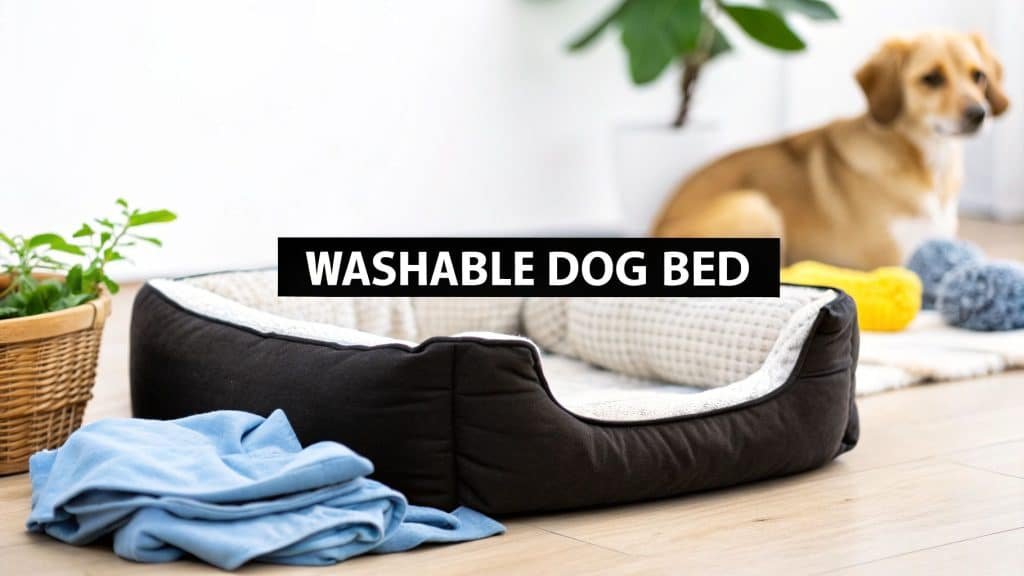
When you’re looking for the best dog beds small washable, you’re really looking for two things: a healthy spot for your pup and a cleaner home for you. It’s more than just a cushion; a high-quality, washable bed is a simple tool for keeping your little one healthy and happy.
Why a Washable Bed Is a Must-Have for Your Small Dog
Comfort is a given, but the right bed is truly foundational for a small dog’s well-being. A dedicated, easy-to-clean sleeping space isn’t just a nice-to-have—it’s essential. It impacts everything from their body temperature and joint health to their sense of security.
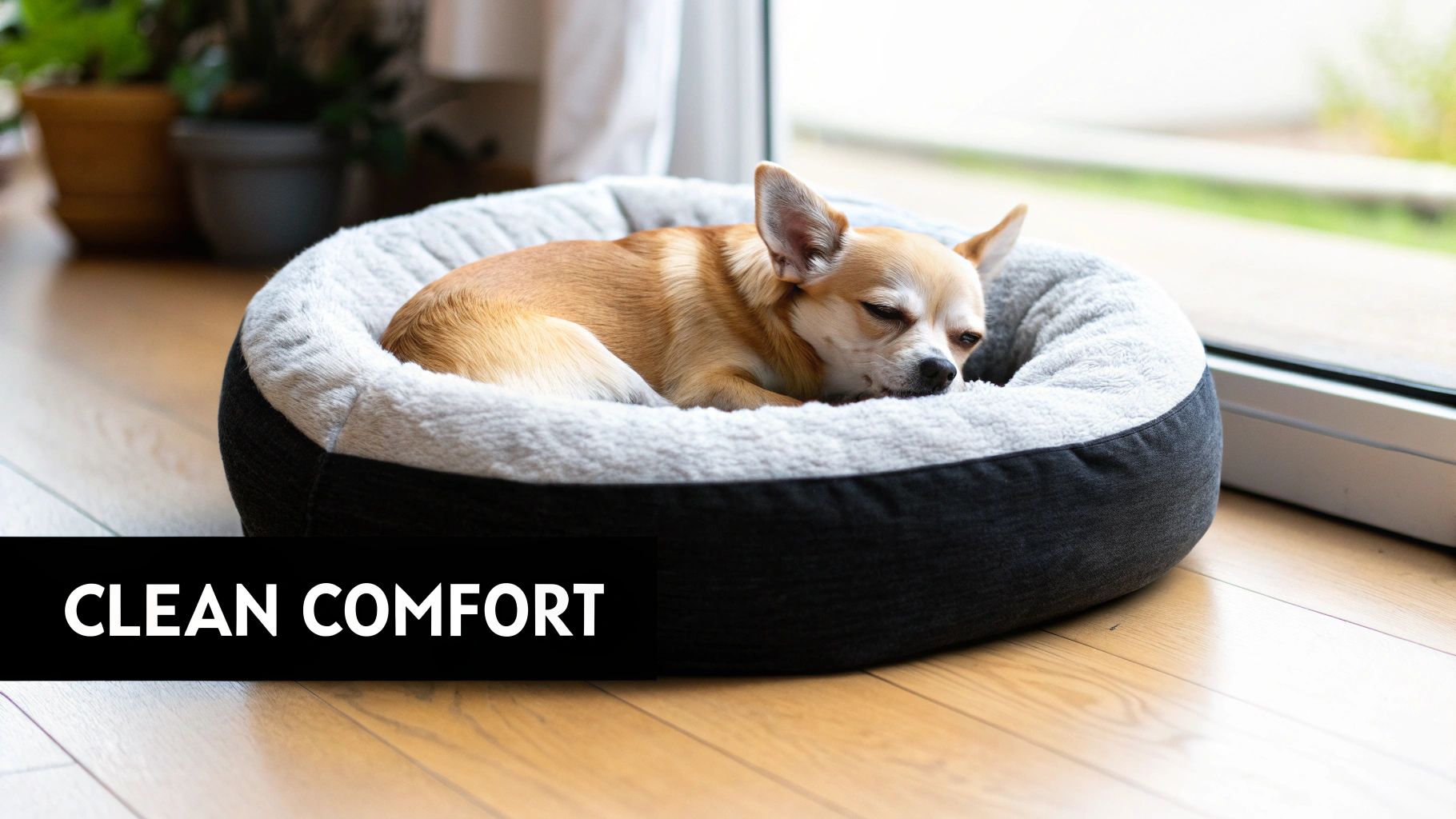
A Foundation for Good Health and Hygiene
Don’t let their size fool you; small dogs can track in a ton of dirt, pollen, and other gunk from outside. Their bed quickly becomes a magnet for these allergens, not to mention shed fur and dander. A machine-washable bed lets you get rid of all that mess on a regular basis.
Here’s why that’s so important:
- Fewer Allergies: A clean bed means fewer dust mites and less pollen, which can help prevent annoying skin irritation and even respiratory issues for both your dog and your family.
- No More Odors: Regular washing stops those classic “doggy smells” from taking over your living room.
- Pest Control: It’s a great way to get rid of fleas, ticks, and their eggs before they can turn into a full-blown infestation.
This growing focus on practical, health-conscious pet products is a big deal. The global pet bed market was valued at around USD 3.51 billion and is expected to hit USD 7.11 billion by 2034. It just goes to show how much owners are investing in quality gear for their pets.
A clean bed is a health essential. It’s the first line of defense against common skin ailments and allergies that can plague smaller breeds.
A Safe Space for Security and Warmth
Smaller dogs get cold easily and can feel a bit overwhelmed or anxious in big, open rooms. Giving them a bed of their own creates a personal safe haven. It’s a familiar spot that belongs just to them, offering a sense of security and encouraging good habits (like staying off the furniture!).
If you and your pup are often on the go, a washable bed is a game-changer. It helps you maintain a clean, comfortable, and familiar spot for them no matter where your travels take you. For more tips on hitting the road with your companion, check out these essential pet travel resources.
Finding the Perfect Fit for Your Small Dog
Choosing the right dog bed isn’t just about matching your decor. For a small dog, the right size is crucial—it’s about creating a space where they feel secure and comfortable. A bed that’s too big can leave them feeling exposed, while one that’s too small is just plain uncomfortable.
The secret to getting it right? Forget the measuring tape for a minute and just watch your dog.
Spend a day noticing how they nap. Do they tuck themselves into a tight little ball? Or do they sprawl out like they own the place, legs going in every direction? This one simple observation tells you everything you need to know.
For the Dog Who Curls Up
If your dog is a “curler”—like so many Chihuahuas or Miniature Pinschers—they’re seeking comfort and security. They often prefer round or donut-style beds with raised edges, which give them something to snuggle against.
To get the right size, wait until they’re snoozing in that classic curled-up ball. Measure from their nose to the base of their tail, then add about five to six inches. That final number is the perfect diameter for their cozy new bed.
For the Dog Who Sprawls Out
Then you have the “sprawlers.” Think of a Jack Russell Terrier completely stretched out on their side, taking up maximum space. These dogs need a flatter, more open bed to accommodate their relaxed style.
For a sprawler, measure them from their nose to the tip of their tail while they’re fully extended. Just like with curlers, add another five to six inches to that measurement. This gives them plenty of room to stretch without a paw dangling off the edge.
A common mistake is buying a bed based on weight alone. A dog’s sleeping style is a far better guide to the size and shape they’ll actually love and use.
Taking a moment to consider how your dog sleeps is the key to finding the perfect dog beds small washable options. A bed that fits just right becomes their personal sanctuary, which keeps them off your furniture and gives them a sense of security.
If you’re ready to find the one that fits your dog’s unique personality, you can explore a huge variety of beds and mats for small dogs to get started.
How to Choose the Best Washable Materials
The materials of a small dog bed are everything. They don’t just affect how cozy it feels; they dictate how durable it is and, critically, how well it holds up in the wash. Making the right choice here means you get a bed that lasts, and your pup gets a consistently clean and comfortable spot to rest.
Picking The Right Cover Fabric
The outer cover is your first defense against the daily grime of dog life—think fur, dirt, and the occasional accident. Fabrics like polyester and sturdy cotton blends are popular for a good reason: they’re tough and can handle a spin in the machine without falling apart. If you have a dog that sheds a lot, a smooth canvas or polyester cover is a lifesaver. Fur tends to sit on top instead of weaving itself into the fabric, making cleanup a breeze.
On the flip side, if your little one is a nester who loves to burrow and snuggle, you’ll want to look at softer materials. Things like fleece or microsuede offer a warm, comforting feel that can be a huge comfort for anxious pups. If you’re looking to create an extra-soothing space, our guide on the best dog beds for anxiety has some great tips.
What’s On The Inside Counts
The filling is just as important as the cover. It provides the support your dog needs and determines whether the bed will come out of the laundry looking fluffy or lumpy.
- Plush Polyfill: This is a very common and affordable choice, giving beds that soft, sink-in feeling. It’s perfect for younger dogs who just want to curl up in a cloud. The only catch? It can sometimes clump up if you don’t dry it thoroughly.
- Supportive Memory Foam: If you have a senior dog or one with joint problems, memory foam is the way to go. It provides fantastic orthopedic support. Just make sure it comes with a waterproof liner, as the foam itself usually can’t be washed directly.
It’s no surprise that pet owners are getting savvier about their choices. In North America, a whopping 75% of consumers are now looking for pet beds that are both therapeutic and easy to maintain. This really shows how much we value our dogs’ health and our own home’s cleanliness.
This chart is a great starting point for matching your dog’s habits to the right bed shape and material.
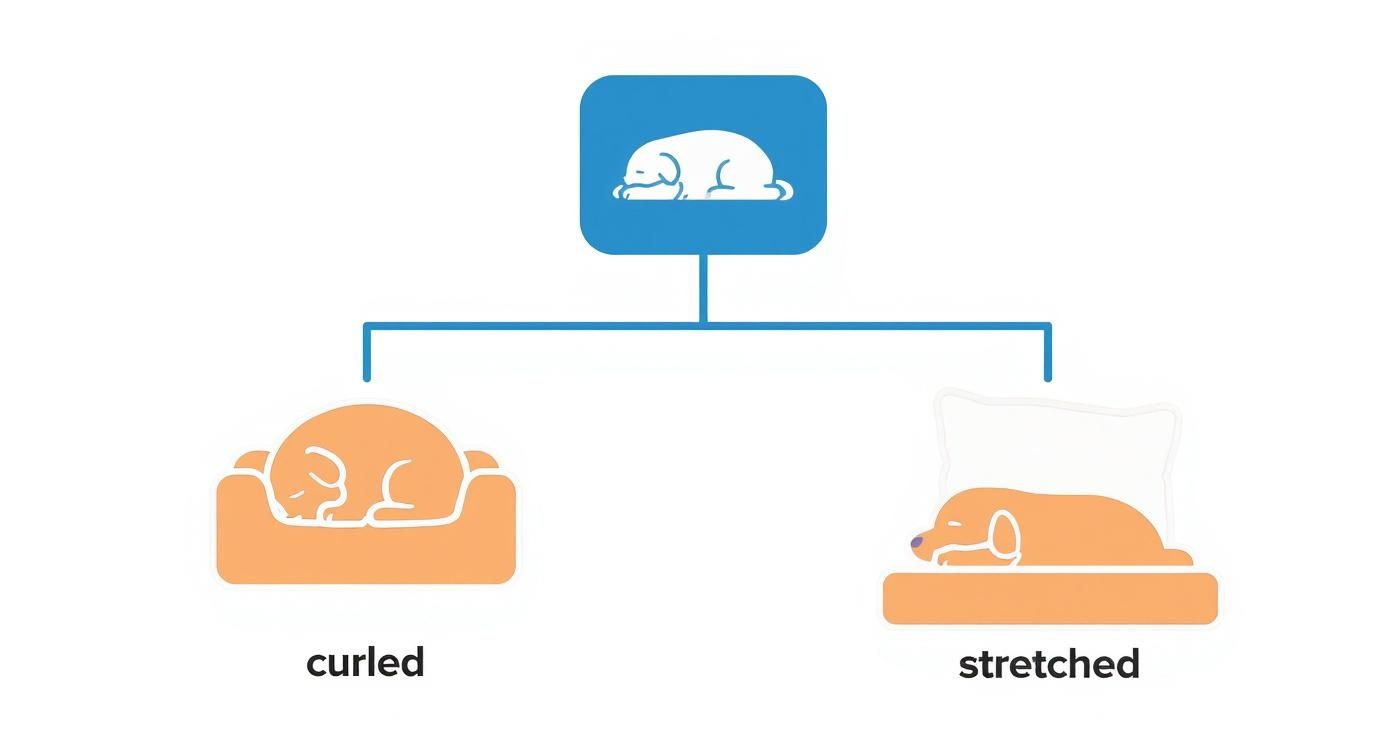
As you can see, a dog that curls up will probably love the secure feeling of a bolster bed, while a sprawler needs the freedom of a simple pillow or mat-style bed.
Washable Dog Bed Material Comparison
Choosing the right material from the start saves a lot of headaches later. Here’s a quick breakdown of the most common options to help you decide.
| Material Type | Best For | Washing Ease | Durability |
|---|---|---|---|
| Polyester | All-around use, dogs that shed heavily, moderate chewers | Excellent; often machine washable and dries quickly | High; resists stretching, shrinking, and abrasion |
| Fleece | Dogs that love to “nest” or burrow, colder climates, anxious pups | Good; machine washable but can attract and hold onto fur | Moderate; can pill or thin out over time with frequent, harsh washing |
| Cotton | General comfort, dogs with sensitive skin (if 100% cotton) | Good; highly washable but can shrink if dried on high heat | Moderate to High; durability depends on the weave (e.g., canvas vs. twill) |
| Suede/Microfiber | Pups who value softness and luxury, households focused on style | Very Good; often stain-resistant and easy to wipe clean | Good; durable fabric but can be damaged by sharp claws |
Ultimately, the best dog beds small washable are the ones that check all the boxes for your specific pup.
Pro Tip: A bed with a fully removable cover and a separate waterproof liner is the holy grail. This setup protects the inner cushion from spills and accidents, meaning you won’t have to deep-clean the entire bed nearly as often.
Whether you need tough polyester for your playful terrier or supportive foam for your aging dachshund, finding that perfect combination of cover and filling is the key to a clean, comfy, and long-lasting sanctuary for your best friend.
Your Guide to Washing a Small Dog Bed the Right Way
A bed that’s easy to wash is a lifesaver, but how you clean it makes all the difference. Just tossing it in the machine and hoping for the best can leave you with a lumpy, sad-looking bed. I’ve learned over the years that a few extra minutes of prep work can extend the life of a bed and keep your washing machine happy, too.
https://www.youtube.com/embed/c5SPqXM4bzI
Before that bed gets anywhere near water, the first thing you need to tackle is the fur. Small dog beds, especially the plush, cozy ones, are absolute magnets for hair. Grab a lint roller or use your vacuum’s upholstery attachment to get as much of it off as you can. It’s a simple step, but it prevents all that hair from clumping up and potentially clogging your machine’s drain. Trust me, it’s worth the effort.
Pet accidents happen, and getting them out completely is key. If you’re dealing with a stubborn urine stain, you might find some helpful tips for removing urine stains from soft furnishings that can easily be adapted for a dog bed.
Machine Washing Best Practices
Your first stop should always be the care label—it’s the manufacturer’s direct advice. Most small beds have removable covers and even washable inserts, but that little tag will tell you the exact temperature and cycle to use.
When you’re ready to wash, keep these pointers in mind:
- Go Cold: Stick with a cold, gentle cycle. Hot water is a fast track to shrunken fabric and can ruin certain fillings, especially memory foam.
- Pick a Pet-Safe Detergent: A dog’s skin can be surprisingly sensitive. I always recommend a mild, fragrance-free detergent to avoid any potential irritation. We have some great options over in our grooming and cleaning supplies section.
- Balance Your Machine: A single small bed can throw a washing machine off balance. Tossing in a couple of old towels will help even out the load, leading to a much quieter and more effective wash.
One of the most common mistakes I see is people using way too much detergent. For a small dog bed, you only need a little bit. Too much soap can leave behind a residue that might irritate your pup’s skin.
The All-Important Drying Process
Drying the bed correctly is just as crucial as washing it. Get this part wrong, and you could end up with a clumpy mess or, even worse, melted synthetic fibers that completely ruin the bed’s shape and comfort.
The safest bet, hands down, is to air-dry it. Just lay the bed or its separate parts out in a spot with good airflow. Try to keep it out of direct sun, as that can cause the colors to fade over time.
If you really need to use a machine dryer, be sure to use the lowest heat setting available—or better yet, a no-heat “air fluff” cycle. A great little trick is to toss in a couple of clean tennis balls. They bounce around and help break up any clumps in the filling, keeping the bed fluffy and even.
This demand for easy-to-care-for products is a big deal right now. The market for sustainable and washable pet beds has grown from USD 2.34 billion to USD 2.5 billion, all because pet owners want practical solutions that are also good for the planet. With 70% of European consumers saying they prefer products made with green materials, it’s obvious that convenient and conscious pet care is the future. Follow these simple steps, and you’ll keep your dog’s bed in great shape for years to come.
Sidestepping Common Cleaning Blunders
You can have the best washable small dog bed on the market, but a few common laundry mistakes can quickly send it to the trash heap. Trust me, I’ve seen it happen. Avoiding these simple missteps will keep your dog’s bed in great shape for years to come.
Ditch the High Heat
The biggest mistake I see people make is cranking the heat up. It feels like the right thing to do for sanitizing, right? Wrong. Hot water is the enemy of most dog beds—it can shrink the fabric, warp the foam padding, and bleed the colors.
Your best bet is to always use a cold, gentle cycle. This protects the bed’s structure and keeps it looking new.
Say No to Harsh Detergents
Another classic error is grabbing your usual laundry detergent or fabric softener. These products are loaded with chemicals and perfumes that are fine for our clothes but can be a nightmare for a dog’s sensitive skin. Plus, their powerful sense of smell can be overwhelmed by strong floral or “fresh linen” scents.
Here’s a tip I always share: wash your dog’s things like you would a newborn baby’s. Go for a mild, pet-safe detergent that’s fragrance-free. It’s the safest way to avoid skin irritation and keep your pup comfortable.
Don’t Skip the Prep Work
Finally, don’t just toss a stained bed into the washer and hope for the best. Mud, grass, and little accidents need some attention beforehand. Pre-treating those tough spots makes all the difference.
A quick, pet-safe paste made from baking soda and a splash of white vinegar works wonders. A little prep work goes a long way in keeping your dog’s favorite spot fresh and cozy.
Common Questions About Small Washable Dog Beds
Even after you’ve found what seems like the perfect bed, a few questions usually pop up. Let’s tackle some of the most common things people ask about keeping their dog’s bed fresh and clean.
How Often Should I Wash My Dog’s Bed?
For most dogs, washing their bed every one to two weeks is a great routine. This keeps the everyday accumulation of dirt, fur, and general doggy smells from getting out of hand.
Of course, life with a dog is rarely “routine.” You’ll want to wash the bed more often if your situation calls for it.
- If your dog has skin allergies, a weekly wash is crucial to minimize irritants.
- For heavy shedders, more frequent washing helps control the amount of hair in your home.
- If you have an adventurous pup who loves rolling in the mud, you might be washing it every few days!
Pro Tip: Don’t wait for laundry day to deal with accidents. Spot-clean any messes as soon as they happen to stop stains and odors from setting in.
Is It Safe to Use Fabric Softener?
I’d strongly recommend skipping the fabric softener and any detergents with strong perfumes. A dog’s sense of smell is incredibly powerful—up to 100,000 times more sensitive than ours. Those “fresh laundry” scents we love can be overwhelming and irritating for them.
Plus, the chemical residues left behind by these products can sometimes cause itchy skin or allergic reactions. Your best and safest bet is a mild, unscented, pet-safe detergent. It gets the bed just as clean without any of the risks.
Ready to give your dog the clean, comfy bed they deserve? Check out the durable, easy-to-clean options at Ur Pet Store to find the perfect fit for your best friend. Take a look at our selection here: https://urpetstore.com.