

Blog
The pee pad for dog: Your Ultimate Guide to the Best Pad

Think of a pee pad for dog as a purpose-built indoor bathroom for your pup. It’s a simple, absorbent mat that gives them a reliable spot to go when a trip outside just isn’t in the cards. This little square of genius can be a lifesaver for house-training puppies, a comfort for older dogs, and a practical fix for anyone living in an apartment. It’s one of those modern pet-care tools that genuinely makes life easier, protecting your floors and taking the stress out of potty time for everyone.
Why Pee Pads Are a Modern Dog Owner’s Secret Weapon
We’ve all been there: that moment of frustration when you spot another unexpected puddle on the floor. But what if you could sidestep that whole song and dance? A quality pee pad for a dog isn’t just for sopping up messes—it’s a smart, proactive tool that brings a welcome dose of calm and cleanliness back into your home.
It’s best to see it as a safety net. For your floors, absolutely, but also for your dog’s comfort and your own sanity. These absorbent pads solve a ton of real-world problems, making them a must-have in any modern dog owner’s toolkit.
Who Benefits Most from Pee Pads
Pee pads are practically synonymous with puppies, but their usefulness goes way beyond the house-training phase. They’re incredibly versatile, offering a helping hand to all sorts of dogs in different living situations.
- Puppies Undergoing Training: Young pups are still learning the ropes. A pee pad gives them an obvious “go here” spot, which dramatically cuts down on accidents elsewhere in the house.
- Senior Dogs with Mobility Issues: As dogs age, bladder control can weaken, and getting outside quickly becomes a challenge. Pads offer a dignified and easy-to-reach solution.
- Apartment and High-Rise Dwellers: No backyard? Those late-night and early-morning potty breaks are a hassle. A pee pad for a dog is a fantastic indoor alternative.
- Dogs Recovering from Surgery: After an operation, a dog’s movement is often restricted. Pads are essential for a clean, comfortable, and stress-free recovery.
A pee pad isn’t a sign of training failure; it’s a proactive solution for managing your dog’s needs with compassion and convenience. It adapts to your dog’s life stage, from the boundless energy of puppyhood to the quiet comfort of their senior years.
A Foundation for a Cleaner Home
At the end of the day, using pee pads is all about creating a better, less stressful home environment for you and your dog. They protect your floors from damage, make cleanup a breeze, and give your pet a reliable option when they just can’t hold it.
Whether you’re stuck inside during a thunderstorm or running late from work, having that designated indoor spot means fewer accidents, less worry, and a much happier dog. This simple foundation of reliability is key, paving the way for everything from picking the right pad to nailing the training process.
What Kind of Dog Pee Pads Are There?
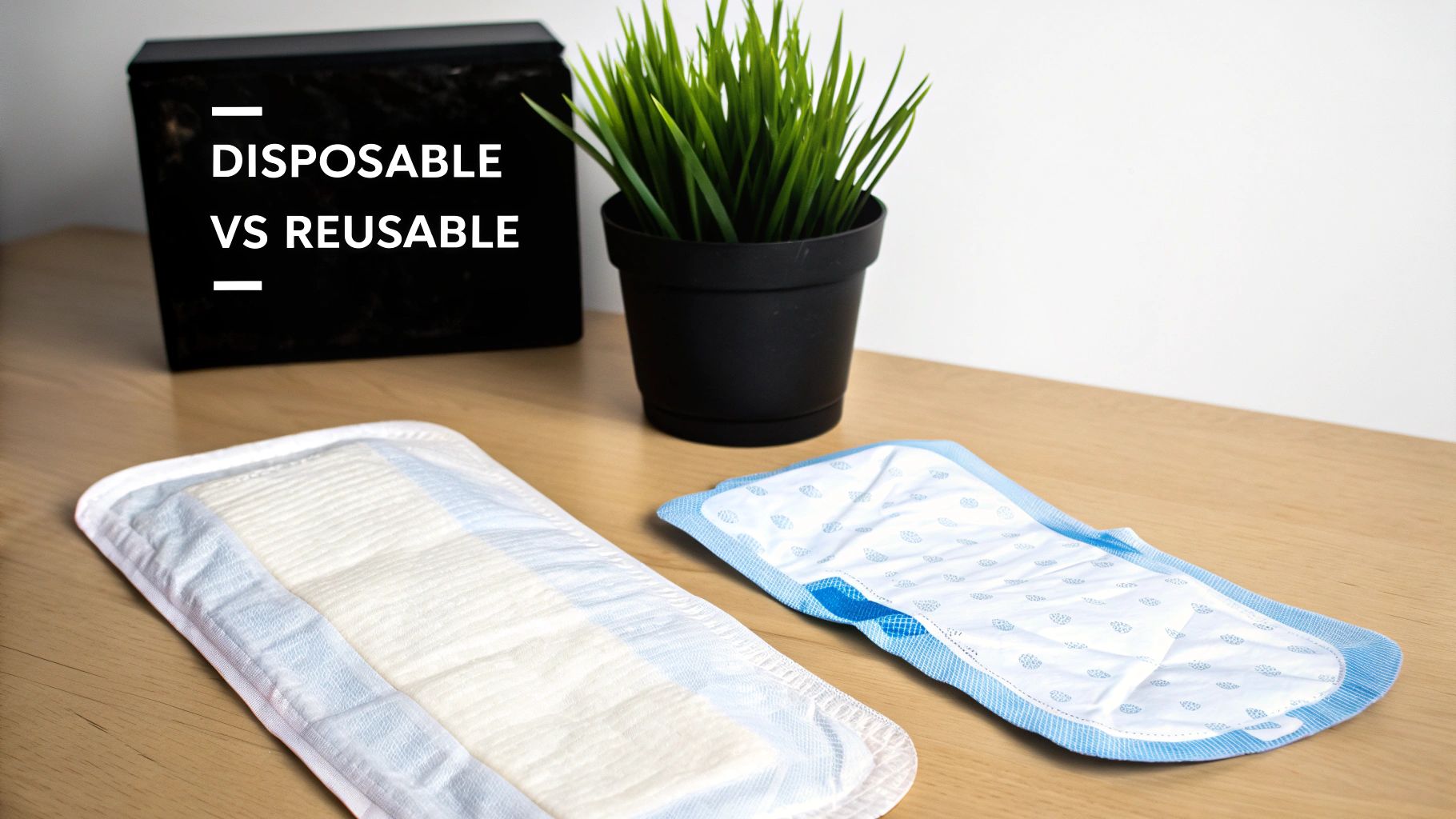
Walking down the pet aisle to find a pee pad for a dog can feel a bit overwhelming at first. There are so many choices! But the good news is, nearly all of them fall into two main categories, and each one is designed for a different kind of lifestyle.
Once you understand the basic types, picking the right one becomes much easier. Let’s dig into the big two—disposable and washable pads—and then touch on a few specialty options that solve some very specific problems.
Disposable Pee Pads: The Grab-and-Go Solution
Disposable pads are what most people think of first, and for good reason. They are all about convenience. Think of them as the paper towels of the potty world: you use it, toss it, and put a fresh one down. This simple approach is a lifesaver for puppy training, travel, or for anyone who just wants cleanup to be fast and easy, with no extra laundry.
But don’t mistake them for simple paper squares. Today’s disposable pads pack some pretty impressive tech to handle messes.
- Super-Absorbent Polymer Core: Deep inside the best pads is a special polymer that instantly turns liquid into a gel. This is the magic that locks moisture away, keeping the top layer from feeling soggy and preventing messes from spreading.
- Leak-Proof Plastic Backing: This is your floor’s best friend. A tough plastic liner acts as the final barrier, making sure nothing soaks through to your hardwood or carpet.
- Quick-Drying Top Sheet: Many pads have a quilted top layer designed to pull moisture down and away from the surface in seconds. This is key to preventing your dog from leaving wet, messy paw prints all over the house.
For busy households where time is everything, this “grab-and-go” style is often the perfect fit.
Washable Pee Pads: The Eco-Friendly Investment
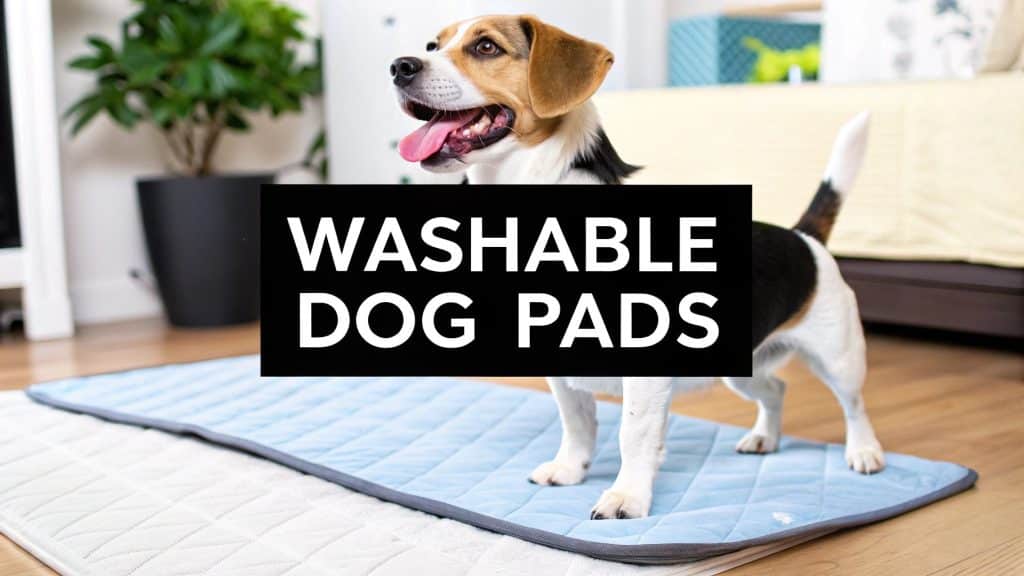
On the other side, you have washable pee pads. These are the eco-friendly and budget-savvy choice, built to be used over and over again. A washable pee pad for a dog is less like a paper sheet and more like a durable, multi-layered mat. You just use it, throw it in the wash, and lay it down again.
Washable pads are a great example of the move toward sustainability in the pet world. They’re perfect for pet owners who want to reduce landfill waste and are willing to invest in a product that can handle hundreds of wash cycles, saving a lot of money in the long run.
This shift toward reusable options is more than just a feeling. The washable pet pee pad market is projected to hit around $0.89 billion in 2025 and is expected to grow to $1.25 billion by 2031. It’s a clear sign that consumers are actively looking for more sustainable pet products.
To make the choice a little clearer, here’s a quick comparison of the two main types.
Disposable vs Washable Pee Pads At a Glance
| Feature | Disposable Pee Pads | Washable Pee Pads |
|---|---|---|
| Convenience | Highest; simply toss after use. | Lower; requires regular washing and drying. |
| Upfront Cost | Low per pack. | Higher for a single pad or small set. |
| Long-Term Cost | High; requires continuous repurchasing. | Low; a one-time purchase lasts for years. |
| Environmental Impact | Creates ongoing landfill waste. | Eco-friendly; significantly reduces waste. |
| Durability | Low; designed for single use. | High; built to withstand hundreds of washes. |
| Best For | Puppy training, travel, senior dogs with incontinence, busy owners. | Environmentally-conscious owners, long-term use, crate liners. |
Ultimately, whether you lean toward the convenience of disposables or the sustainability of washables, both are great tools to have in your pet care arsenal.
Specialty Pads for Specific Needs
Beyond the main two, you might also run into pads with clever features designed for unique situations. These extras can give you a real edge in training and keeping your home clean.
- Pads with Built-In Attractant: Some pads are treated with a special pheromonal scent that encourages your dog to “go” there. It’s like a little nudge that whispers, “this is the right spot!”
- Charcoal-Infused Pads: Activated charcoal is a powerhouse for absorbing odors. Pads with carbon or charcoal layers are fantastic at neutralizing those strong ammonia smells, keeping your home smelling much fresher.
- Adhesive Strips: Got a playful pup who thinks a pee pad is a chew toy? Some disposables come with sticky tabs on the corners to keep them locked in place on the floor.
Whether it’s the sheer ease of a disposable, the green-friendly nature of a washable pad, or a special feature for odor control, there’s definitely a perfect match for you and your dog. And for pet parents looking to boost their furry friend’s all-around comfort, you might find our guide on choosing the best beds and mats helpful, too.
How to Choose the Right Pee Pad for Your Dog
Picking out a pee pad for your dog isn’t as simple as just grabbing the biggest box off the shelf. Think of it like buying a raincoat—a tiny one won’t do a Great Dane any good in a downpour, and an oversized one would completely swallow a Chihuahua. The real goal is finding that perfect sweet spot that fits your dog’s needs and your home life.
It’s actually a lot easier when you break it down into a few key areas. If you focus on the right size, material, and any extra features you might need, you can find a pad that keeps your dog happy and your floors spotless.
Match Pad Size to Your Pup
First things first, you have to get the size right. A pad that’s too small is pretty much a guaranteed accident, because even a dog with the best aim can miss the edge.
As a good rule of thumb, look for a pad that gives your dog enough space to comfortably step on and turn around in a full circle.
- Small Breeds (like Yorkies & Chihuahuas): Your standard 22×22 inch pads are usually the perfect size.
- Medium to Large Breeds (like Beagles & Labradors): You’ll want to look for extra-large options. Another trick is to place two standard pads right next to each other to create a bigger target area.
- Puppies: A standard size is a great starting point, but just be ready to size up as they grow.
Consider Absorbency and Odor Control
Once you’ve figured out the right size, the next thing to think about is what the pee pad for a dog is actually made of and how well it can handle the mess. Today’s pads are way more than just paper; they’re designed with some clever tech to lock away liquid and smells.
Look for pads with a multi-layer design. The best ones have a super-absorbent polymer core that instantly turns liquid into a gel. For keeping smells at bay, some pads are even infused with activated charcoal or baking soda, which do a fantastic job of neutralizing that sharp ammonia odor. This is a game-changer if you live in a smaller space like an apartment.
Choosing a pad with high absorbency isn’t just about preventing leaks; it’s about keeping your dog’s paws dry. A quick-drying top layer ensures they don’t track wet paw prints all over your clean floors.
The demand for these handy helpers is booming. The global dog pad market is on track to hit about $500 million in 2025 and is expected to grow to almost $950 million by 2033. This surge shows just how much people want clean, easy solutions for pet waste, which is pushing companies to make even better products. You can read more about it in this dog pad market analysis.
Finally, think about what makes the most sense for you long-term. Disposables are incredibly convenient, no doubt. But a high-quality reusable dog pee pad blanket can save you a lot of money over time and is much better for the environment, making it a smart choice for eco-conscious pet parents.
A Step-by-Step Guide to Pee Pad Training Success
Buying the perfect pee pad for a dog is just the first step. After all, an unused pad is really just a fancy floor mat. True success hinges on a clear, consistent training plan that shows your dog exactly what you expect. Think of yourself less as a drill sergeant and more as a patient teacher, guiding your pup toward a new, positive habit.It all starts with setting up the right environment. A little bit of strategy in the beginning makes the whole training journey smoother for everyone involved. Let’s walk through the key steps to turn that pad into your dog’s go-to potty spot.
Strategic Placement Is Everything
Where you put the pee pad can make or break your training efforts. Dogs are creatures of habit and comfort; they won’t feel safe using a spot that’s noisy, busy, or too close to their personal space. The goal is to create a designated bathroom that feels both safe and obvious to them.
When scouting for a location, keep these three golden rules in mind:
- Find a Quiet Corner: Pick a low-traffic area where your dog won’t be constantly interrupted. The corner of a laundry room, a quiet hallway, or a guest bathroom usually works great.
- Separate Food and Water: Dogs have a natural instinct to not soil their den. Keep the pad far away from their food bowls, water dish, and bed to avoid sending mixed signals.
- Ensure Easy Access: Your dog needs to get to the pad easily, especially when nature calls unexpectedly. Don’t hide it behind a closed door or in a spot that’s tough to reach in a hurry.
Once you’ve found the perfect spot, commit to it. Consistency is the bedrock of building a reliable routine. Moving the pad around will only confuse your dog and dial back your progress.
Mastering Positive Reinforcement
With your pad perfectly placed, it’s time to make the formal introduction. The best way to do this is with positive reinforcement, which teaches your dog to associate the pad with good things, making them want to use it.
Start by letting your dog sniff and explore the new pad. When they show interest, praise them with an encouraging, happy tone. Next, choose a consistent verbal cue—like “go potty” or “use your pad”—and say it every time you lead them to the spot.
The moment your dog successfully uses the pee pad for a dog, throw a mini-party! Immediately offer enthusiastic praise (“Good boy!”), a high-value treat, or a quick game of tug. This immediate reward forges a powerful connection: using the pad equals getting something awesome.
Patience is your most valuable tool here. Accidents are going to happen, especially with young puppies. Never, ever scold or punish your dog for a mistake. Just clean it up thoroughly and gently guide them back to the pad next time.
This flowchart can help you zero in on what features matter most for your dog’s specific needs, taking the guesswork out of choosing the right pad.
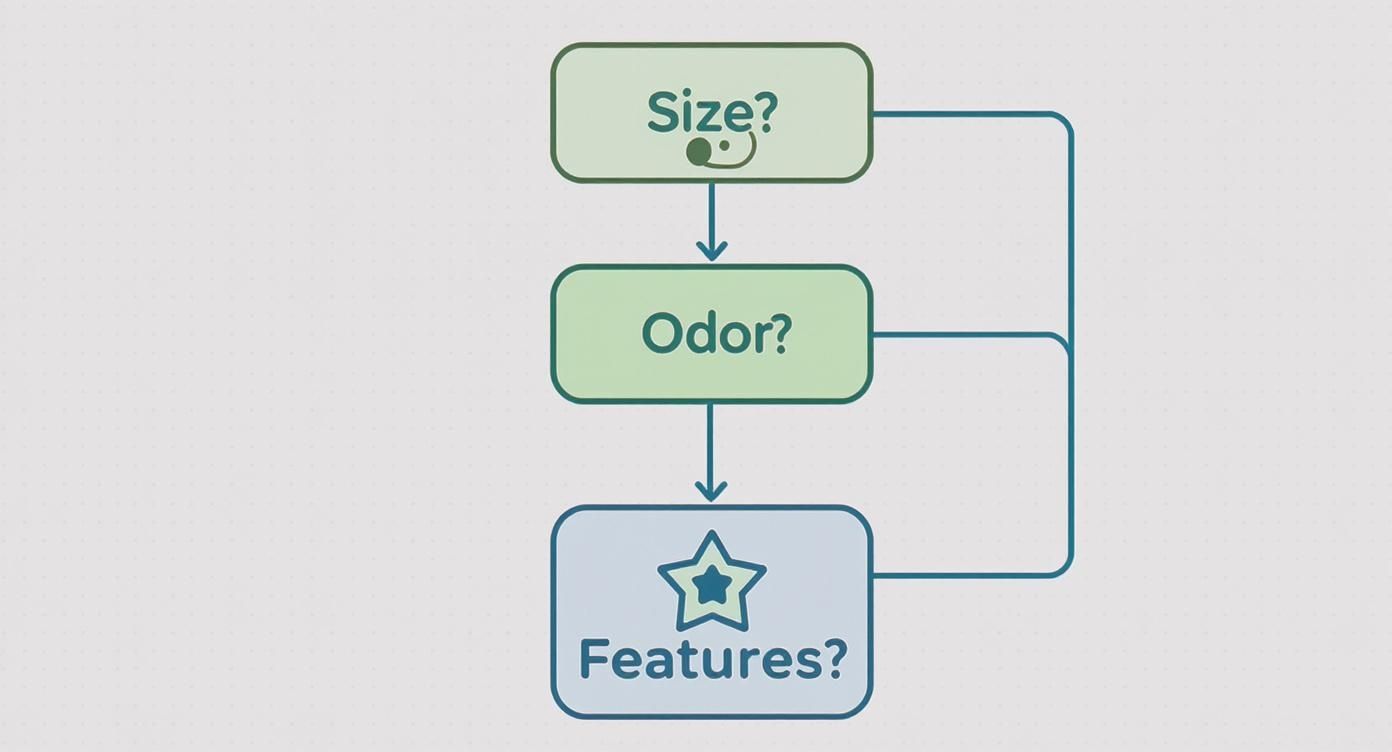
As the guide shows, matching the pad’s features—like getting the right size for your dog’s breed and strong odor control for your living space—is a huge part of setting your training up for success.
Keeping Things Clean: The Right Way to Maintain Pee Pads
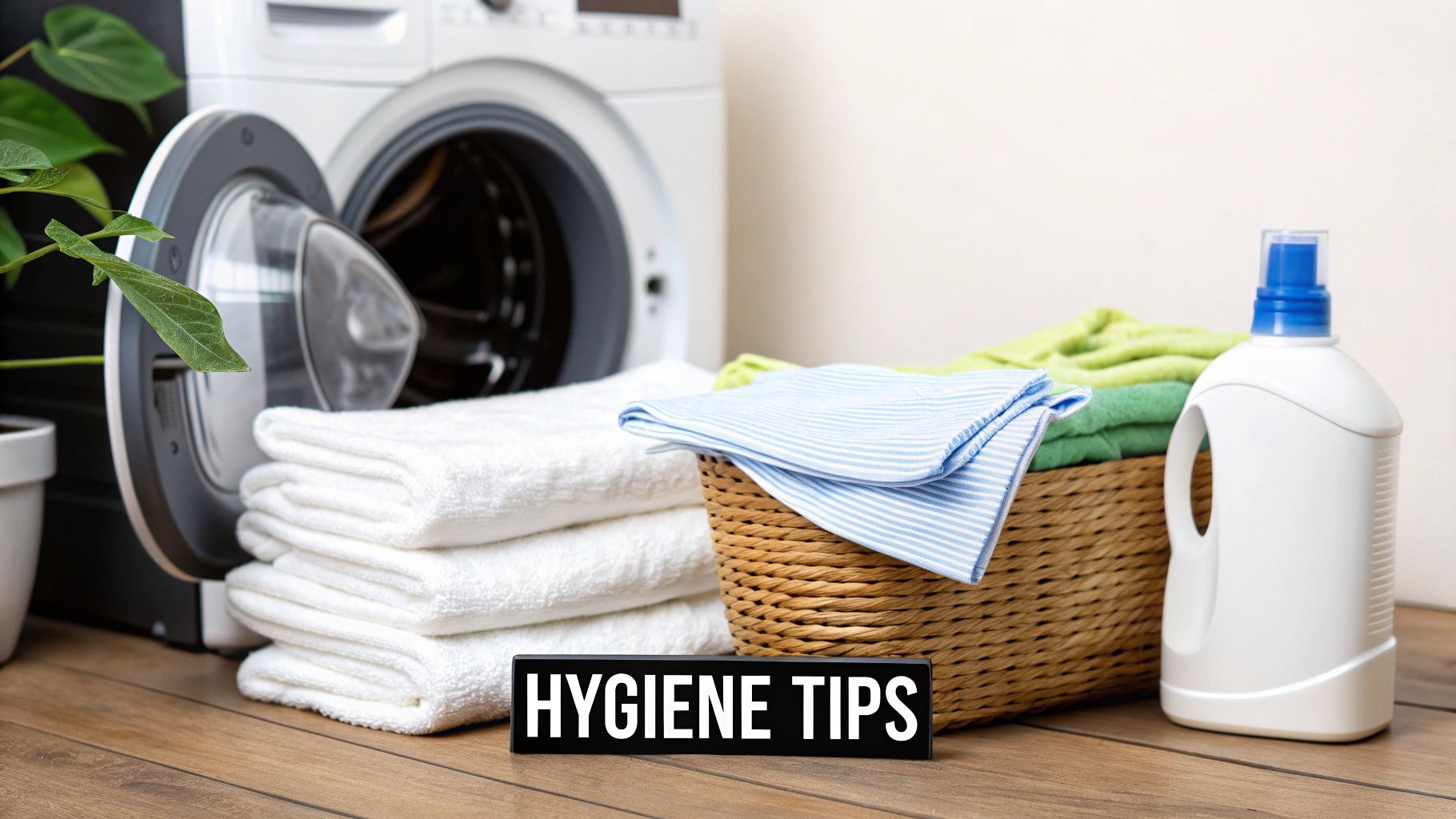
Let’s be honest, using a pee pad for a dog is all about keeping your home clean and fresh. But if you don’t maintain them correctly, they can quickly become the source of the very mess and odor you’re trying to avoid. The secret is a solid cleaning routine, which looks a little different depending on the type of pad you’ve chosen.
With disposable pads, the name of the game is knowing when to toss them. A pad that’s completely soaked is more than just an eyesore—it’s a playground for bacteria and can even make your dog hesitant to use it again. A good rule of thumb is to swap it out after one or two uses, or the moment you notice a distinct smell.
When it’s time for a change, fold the soiled corners inward to the center to contain the mess. Then, fold it in half again to create a tidy little bundle before dropping it in the bin. Easy.
The Washable Pad Cleaning Routine
Washable pads are fantastic, but they require a little TLC to go the distance. If you cut corners on cleaning, you’ll end up with stubborn smells and a pad that just doesn’t absorb like it used to, which defeats the whole purpose.
For a deep clean that gets the job done right, stick to this simple process:
- Pre-Rinse: Always give the pad a quick rinse under cool water first. This gets rid of the worst of the urine before it ever hits your washing machine.
- Use the Right Detergent: Toss it in the wash on a regular or heavy-duty cycle with a pet-safe, fragrance-free detergent.
- Tumble or Air Dry: You can tumble dry on low heat or simply hang it up to air dry. The key is making sure it’s bone-dry before putting it back down to prevent any mildew from growing.
Here’s a pro tip: Never use fabric softener or dryer sheets. They might seem like a good idea for freshness, but they leave a waxy film that clogs the fabric’s fibers, killing the pad’s absorbency over time. Just skip them altogether.
Common Cleaning Mistakes to Avoid
Even with the best intentions, it’s easy to make a few mistakes that can damage your pads or just make life harder. Watch out for these common slip-ups.
- Overloading the Washer: Don’t cram too many pads in at once. They need space to move around and get properly cleaned.
- Using Bleach: Harsh chemicals like bleach are a no-go. They can destroy the waterproof backing on reusable pads and may even irritate your dog’s sensitive skin.
- Waiting Too Long: Letting soiled pads pile up is a recipe for disaster. The longer they sit, the more bacteria and odors will set in, making them nearly impossible to get fully clean.
A consistent cleaning schedule is your best friend for a hygienic home. For more tools to keep your space spotless, check out our selection of grooming and cleaning products at https://urpetstore.com/product-category/grooming-cleaning/. And because nobody’s perfect, it never hurts to know how to clean dog pee on hardwood floors for those inevitable off-the-pad accidents.
Answering Your Top Dog Pee Pad Questions
Bringing pee pads into your home is a big change, and it’s totally normal to have a few questions pop up along the way. You’re not alone in wondering if you’re doing it right. Think of this as your go-to FAQ, where we tackle the common concerns we hear from dog owners just like you.
We’ll cover the “what ifs” and “how tos” with clear, practical advice. The goal is to help you feel confident, solve any little hiccups, and make the whole process smoother for you and your pup.
Will Using Pee Pads Mess Up My Puppy’s House Training?
This is probably the biggest worry out there, but let me put your mind at ease: no, not if you’re consistent. The key is to teach your dog that the pad is the only acceptable indoor potty spot. This creates a crystal-clear boundary in their mind.
If your long-term goal is for them to go exclusively outside, treat the pad as a stepping stone, not a permanent solution. Start by moving the pad closer and closer to the door, and then eventually place it right outside. This creates a natural progression that guides them where you want them to go, making the pad a training tool rather than a point of confusion.
How Often Should I Actually Change the Pee Pad?
There’s no one-size-fits-all answer here. It really depends on your dog’s age and size, how often they go, and the pad’s absorbency.
For disposable pads, a good rule of thumb is to swap it out after one or two uses. A soggy, dirty pad is not only unhygienic, but it will also make your dog not want to use it again. For washable pads, change it as soon as it’s been used and plan to toss it in the laundry every day or two. Staying on top of changes is the real secret to keeping your home smelling fresh.
What if My Dog Just Tries to Chew the Pad?
Ah, a classic puppy problem! To a young dog, that crinkly pad looks like a fantastic new toy. The moment you see them start to chew or shred it, give a firm “no” and immediately redirect their attention to an appropriate chew toy.
Pro Tip: A pee pad holder can be a game-changer. It’s a simple plastic frame that snaps down over the edges of the pad, making it nearly impossible for your dog to get a grip and turn it into confetti.
If you have a really determined chewer, a quick spritz of a bitter-tasting (but pet-safe!) spray around the edges of the pad can also do the trick.
Are Scented Pee Pads With Attractants Worth It?
They can be, but they aren’t a silver bullet. These pads use a pheromone-based scent to signal “go here!” to your dog, which can be a helpful nudge in the very early days of training. That said, some dogs couldn’t care less about the added scent.
Your best bet is always consistent positive reinforcement. But if your puppy is genuinely struggling to get the idea, trying a small pack of scented pads is a low-risk experiment that might just provide the hint they need. Of course, accidents happen. If a miss occurs off the pad, knowing how to clean it up properly is key. For homeowners with hardwood, this guide to wood floor stain removal, including pet stains is an absolute lifesaver.
The popularity of these products is undeniable. The global Pet Pad Market was valued at roughly USD 1.5 billion and is on track to nearly double by 2034, with dog pads leading the charge. You can find more details on the growing demand for pet pads on Market.us.
At Ur Pet Store, we provide high-quality pet supplies designed for modern living. Find the perfect products for your furry friend by visiting us at https://urpetstore.com.