

Blog
Finding the Best Cat Hammock for Your Feline Friend

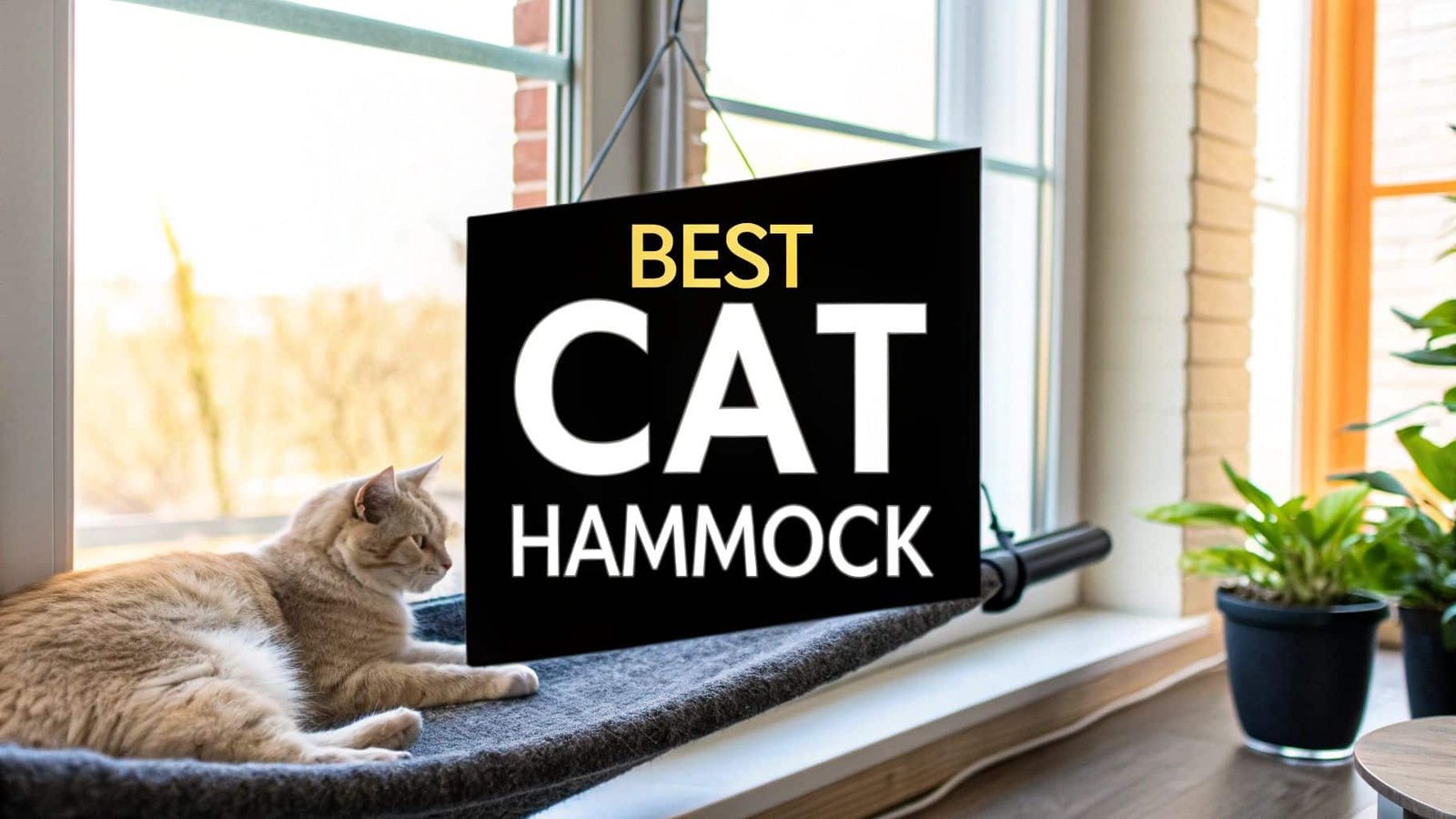
The right cat hammock does more than just give your cat a place to sleep—it taps directly into their wild instincts for safety and observation. Think of it less as furniture and more as a crucial tool for their well-being, providing a secure, elevated perch that satisfies their need for a private lookout post.
Why Your Cat Secretly Wants a Hammock
Ever found your cat lounging on top of the refrigerator or balancing on the highest bookshelf, surveying their kingdom? That's not just a cute quirk; it's a behavior hardwired into their DNA. Their wild ancestors claimed high ground for two very good reasons: to spot unsuspecting prey and to stay safely out of reach of bigger predators.
A cat hammock brings that "treetop" experience right into your living room. It’s so much more than just another comfy bed. It’s a personal sanctuary, giving them a sense of security and control over their environment. When you provide a designated high-up spot, you're giving them their very own observation deck to watch the world go by from a safe distance.
This simple addition can make a huge difference in a cat's stress levels. It becomes their reliable escape from the daily hustle and bustle, whether that’s the roar of the vacuum cleaner, a rambunctious puppy, or unfamiliar houseguests.
More Than a Bed, It’s a Tool for Enrichment
Giving your cat vertical space is one of the pillars of feline environmental enrichment. It lets them engage in natural behaviors like climbing, perching, and observing, which are absolutely essential for their mental and physical health. This is especially true for cats who live exclusively indoors.
The best cat hammock is one that fits both your cat's personality and your home's layout. The real goal is to find one that becomes their favorite spot—a place for sunbathing, napping, and supervising the household—not just another piece of pet clutter.
This deeper understanding of what cats need is showing up in the market. The demand for cat hammocks has exploded, with the market currently valued at $350 million and expected to hit $710 million by 2033. This surge is all part of the "pet humanization" trend, where we're all looking for products that genuinely make our pets happier and more comfortable. You can discover more about this booming market trend and see how it reflects a growing appreciation for our furry friends' well-being.
Tapping into Primal Instincts
At its core, a cat hammock just makes sense to a cat. It speaks their language. It gives them:
- A Secure Vantage Point: Cats feel safest when they can see everything without being easily seen. A hammock provides that perfect 360-degree view, letting them keep a watchful eye on their territory.
- Personal Territory: In a home with multiple pets, a hammock can become a cat's undisputed personal space. This can go a long way in reducing squabbles and territorial stress.
- Comfort and Warmth: Hammocks are often placed in sunny windows, giving cats a prime spot to soak up the warmth. It's a simple pleasure that brings them a ton of joy.
Choosing the right hammock isn’t just about buying another pet bed. It's about respecting their wild heritage and providing a space that makes them feel secure. It's a small gesture that shows you get them, and that leads to a much happier, more confident cat.
Decoding the Different Types of Cat Hammocks
Walking into the world of cat hammocks can feel a bit like car shopping—you know you want one, but what's the difference between a window-mounted perch and a freestanding model? Each style is built with a specific purpose in mind, designed for different cat personalities and living situations. Getting a handle on these basic types is the first real step to finding a hammock your cat will actually use and love.
And it's a choice more and more of us are making. Cat furniture is a huge market, valued at $5.79 billion and on track to hit $9.26 billion by 2033. Hammocks have really found their place as stylish, space-saving options that tap directly into a cat's natural instincts. If you're curious, you can learn more about the trends driving the cat furniture market and see why they've become such a hit.
To make things simpler, think about what your cat loves to do most. This little guide can help you match their habits to the perfect hammock.
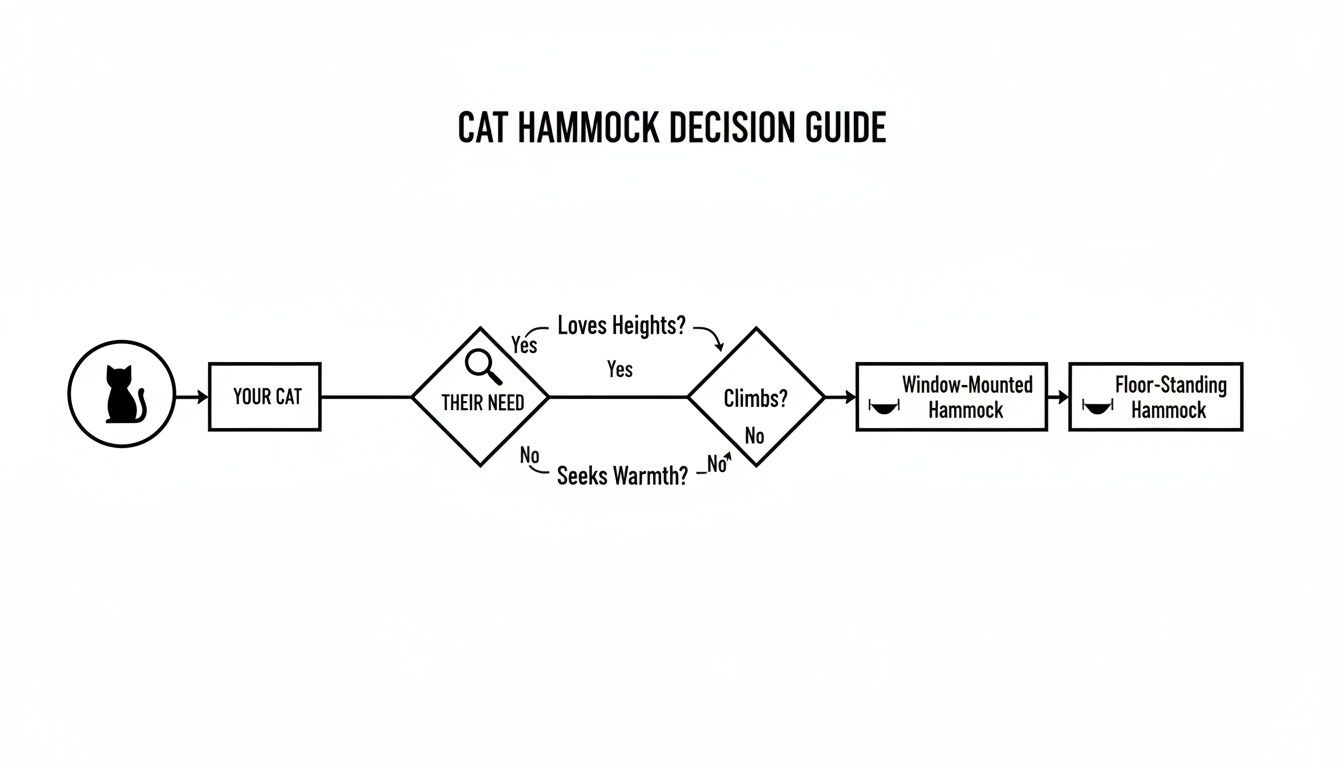
As you can see, figuring out whether your cat is a sun-worshipper or a climber can point you straight to the best style for your home. Let's dig into the four main types you'll come across.
To help you decide at a glance, here’s a quick breakdown of what each hammock type offers.
Cat Hammock Type Comparison
| Hammock Type | Best For | Space Requirement | Installation |
|---|---|---|---|
| Window-Mounted | Sunbathers and curious cats who love watching the outdoors. | Minimal; uses vertical window space. | Suction cups; requires a clean, smooth window. |
| Under-Chair | Shy cats, small apartments, or creating a hidden den. | Zero extra floor space; fits under existing furniture. | Adjustable straps; no tools needed. |
| Wall-Mounted | Climbers, energetic cats, and multi-cat homes. | Uses vertical wall space; great for "cat highways." | Requires drilling into wall studs; a permanent fixture. |
| Freestanding | Renters, stylish homes, and owners who want portability. | Takes up its own floor space, like a small piece of furniture. | None; just assemble and place it anywhere. |
Each one has its own unique benefits, so the best choice really comes down to your cat, your space, and your personal style.
Window Hammocks: The Sunbather’s Dream
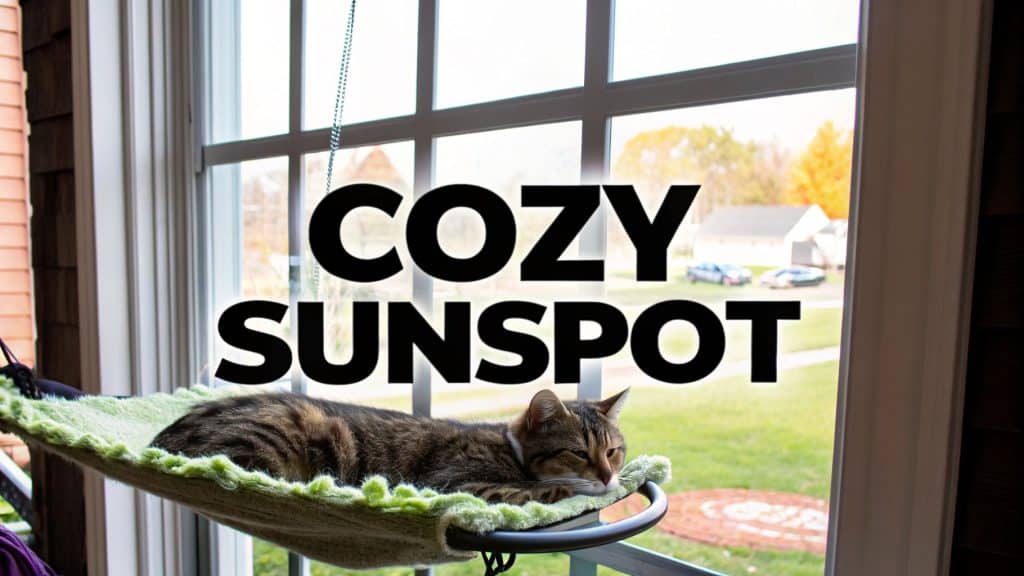
You know the cat—the one who follows that perfect sunbeam across the floor all day. For them, a window hammock is the ultimate luxury. These perches attach right onto the glass with heavy-duty suction cups, giving your cat an elevated, front-row seat to the world outside.
Think of it as their personal "cat TV." It provides non-stop mental stimulation from birds, squirrels, and passing cars, all while offering a warm, cozy spot for a nap.
- Pros: Fantastic for keeping indoor cats entertained, provides a warm napping spot, and takes up zero floor space.
- Cons: You need a clean, non-porous window for a secure stick, and the suction cups might need a refresh every so often.
Under-Chair Hammocks: The Ultimate Space Saver
Living in a small apartment or just hate clutter? The under-chair hammock is a stroke of genius. It's a simple, clever design that uses adjustable straps to sling a soft piece of fabric beneath a dining chair, end table, or even a stool.
This creates a secret little den where your cat can feel safe and tucked away but still be right in the middle of the action. It's an absolute game-changer for timid cats who crave a secure hiding spot that’s still close to their favorite humans.
An under-chair hammock transforms dead space into a private feline sanctuary. It’s the perfect choice for creating a cozy nook without adding another piece of furniture to your room.
What I love about this style is how seamlessly it blends in. It's out of sight and out of the way, yet it gives your cat an incredible sense of comfort and security.
Wall-Mounted Hammocks: For the Vertical Adventurer
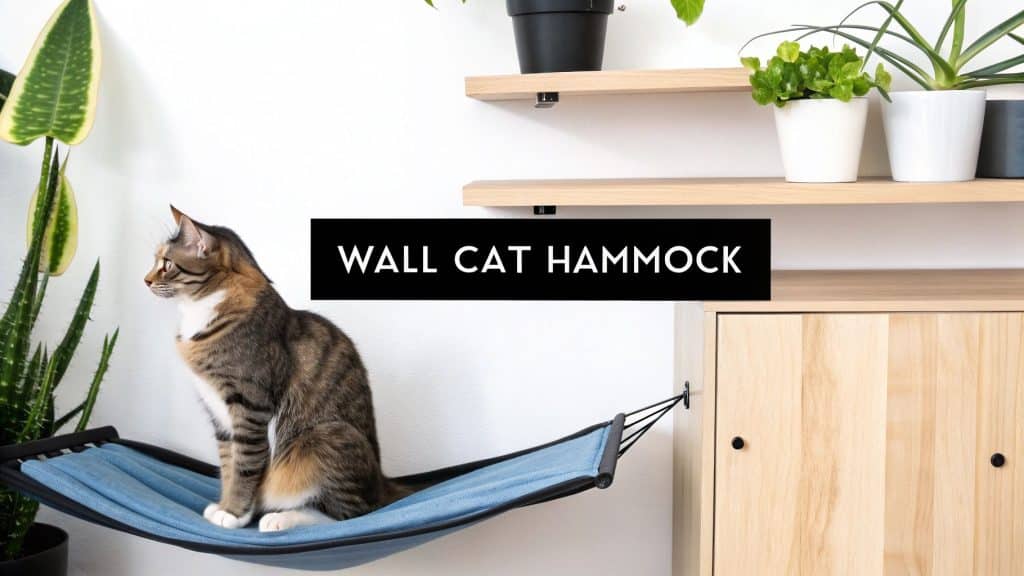
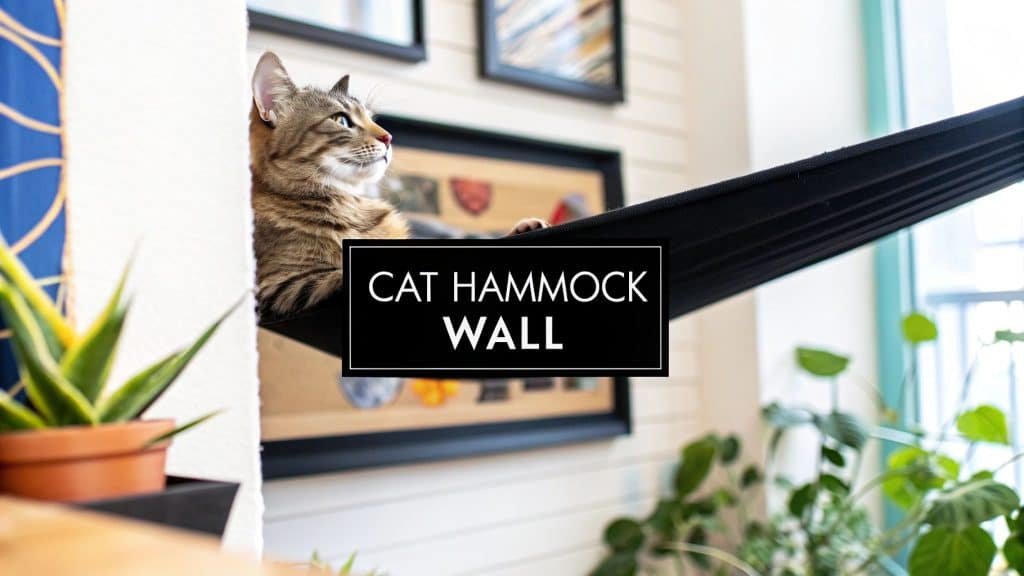
If your cat is more of a pint-sized mountain climber than a couch potato, a wall-mounted hammock is a fantastic choice. This is more than just a bed; it's an invitation to explore. These are anchored securely into wall studs and often work as part of a bigger "cat highway" with shelves and steps.
This kind of setup lets your cat survey their kingdom from above, which completely satisfies their natural instinct to be up high. It’s a brilliant way to expand their territory, especially in smaller homes where you have more vertical space than floor space.
- Ideal For: High-energy cats, multi-cat households (to give them separate spaces), and anyone looking to build a "cat superhighway."
- Installation: This is a more permanent option. You’ll need to locate wall studs and get the drill out.
Freestanding Hammocks: The Stylish and Portable Choice
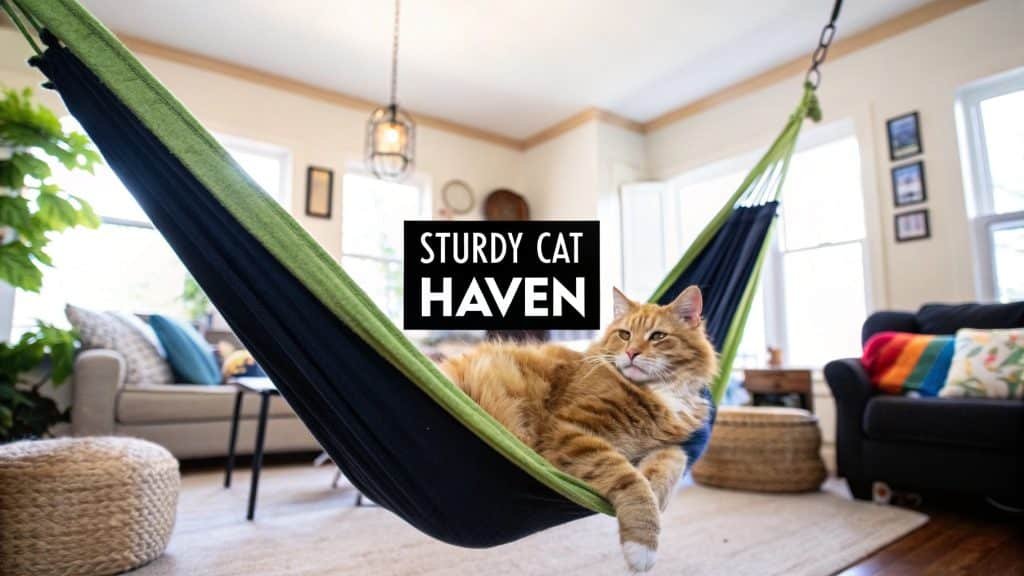
Freestanding hammocks are all about flexibility and style. These models have their own frame, usually made of wood or metal, and can be placed literally anywhere you want. They often look like a chic piece of modern furniture that just happens to be for your cat.
Because they aren't attached to anything, you can easily move one from a sunny spot in the living room in the morning to a quiet corner of your bedroom at night. They’re perfect if you're renting or just prefer a solution that doesn't involve suction cups or drills. This grab-and-go portability makes them one of the most versatile choices out there.
Choosing a Hammock Built for Safety and Comfort
While it's easy to get caught up in style, the absolute bedrock of a great cat hammock is safety. A wobbly or weak perch isn't just something your cat will ignore—it's a genuine hazard. Think about it like buying a swing set for a kid. You wouldn't just pick the prettiest color; you’d be shaking the frame and checking the strength of the chains. The same logic applies here.
Choosing the right hammock means looking past the surface-level features and really digging into the materials, build quality, and weight limits. These details are what make the difference between a beloved nap spot that lasts for years and a wobbly disappointment that ends up in the trash.
Material Matters: From Frame to Fabric
The stuff a hammock is made of directly impacts its durability, how cozy it is, and how easy it is to clean. The frame is the skeleton of the whole operation, and it has to be solid. Whether it’s built from real wood, heavy-duty PVC, or steel wire, it needs to be tough enough to handle a cat leaping onto it without a single wobble.
The fabric sling where your cat will be snoozing is just as crucial. After all, this is where the real lounging happens.
- Breathable Fabrics: Materials like cotton canvas or soft fleece are fantastic choices. They let air flow through, which helps keep your cat from getting too hot in the summer but still feels snuggly in the winter.
- Machine-Washable: Let's be honest, this is non-negotiable. Fur, dander, and the occasional accident are part of life with a cat. Being able to just toss the fabric sling in the wash is a lifesaver.
- Durability: The fabric needs to be tough enough to stand up to some serious kneading and the odd scratch without unraveling.
When you're shopping, it helps to apply the same principles you would for how to choose pet-friendly furniture—you want something built to last.
Understanding Weight Capacity
One of the most critical safety checks is the weight limit. The rule here is simple: always choose a hammock rated to hold more than your cat's weight. This isn't just about supporting them while they sleep. It’s about handling the force of them launching themselves onto it from the floor.
A hammock rated for 20 pounds might seem perfect for your 19-pound cat, but it isn't. You need a solid safety buffer to account for the impact of jumps and, of course, any future weight gain. A 12-pound cat in that same hammock? A much safer bet.
This is especially vital if you have a larger breed like a Maine Coon or a Ragdoll. Many standard hammocks just won't cut it. For the big-and-tall crowd, you’ll want to look at specialized options, and you can find a helpful guide for a cat hammock for large cats to make sure you get the right fit.
Secure Fastenings: The Key to Stability
How the hammock actually attaches to a window, wall, or chair is the final, crucial piece of the safety puzzle. A hammock is only as good as its anchor points, and shoddy attachments are the number one reason they fail.
Here’s what to look for with different mounting systems:
- Industrial-Strength Suction Cups: For window perches, you want big, beefy suction cups—not the flimsy kind. The best models often use four cups connected by steel wire cables for maximum grip, with some rated to hold up to 50 pounds.
- Sturdy Clamps and Straps: If you're looking at an under-chair model, inspect the straps. They should be wide and adjustable, with strong buckles that won’t slip or loosen over time.
- Reliable Wall Anchors: With wall-mounted hammocks, you can't take any chances. The product absolutely must come with hardware designed to be screwed directly into wall studs. Never, ever trust a wall hammock that relies on flimsy drywall anchors alone.
By focusing on these three areas—materials, weight limits, and fastenings—you can choose a hammock that’s the perfect blend of cozy comfort and rock-solid security. It’s that little bit of extra diligence that ensures your cat’s new perch becomes their most trusted and treasured spot.
Installation and Placement for Maximum Cat Approval
You’ve picked out the perfect hammock, but don't celebrate just yet. A fantastic cat hammock in the wrong spot is basically just an expensive, fuzzy decoration. Getting this right is a two-part job: proper installation is all about safety, while thoughtful placement is what turns it into your cat's favorite spot in the house.
It really boils down to a bit of simple mechanics mixed with a dash of cat psychology. A secure installation gives you peace of mind, but a well-placed one gives your cat the view, warmth, and sense of security they’re hardwired to crave. Let’s walk through both so your new purchase gets the five-star feline seal of approval it deserves.

The Nuts and Bolts of Secure Installation
Before your cat can blissfully snooze away, you need to make absolutely sure their new perch is rock-solid. A wobbly or unstable hammock is a fast track to your cat avoiding it forever—or worse, causing an accident. Always, always follow the manufacturer's instructions, but here are some universal tips I've learned over the years.
For Window Hammocks with Suction Cups:
- Start with a Squeaky-Clean Surface: Grab some glass cleaner or a simple vinegar-and-water mix and give that window a thorough wipe-down. Even a little bit of dust or grime can ruin a good seal.
- Warm the Cups: This is a great little trick. Soaking the suction cups in warm water for a few minutes makes them more pliable, helping them create a much tighter vacuum seal against the glass.
- Press Firmly: Push hard from the center of the cup outwards to squeeze out every last air bubble. That solid seal is everything when it comes to safety.
For Wall-Mounted Hammocks:
- Find the Stud: I can't stress this enough—it's non-negotiable. Drywall alone will not hold your cat's weight, especially when they take a running leap. Use a stud finder to locate the solid wood beams in your wall and anchor it there.
- Measure Twice, Drill Once: Take a moment to plan out the placement. Make sure the hammock is level and at a height your cat can easily and safely jump to and from.
- Use the Right Hardware: Stick with the screws and anchors that came in the box. They were specifically chosen to handle the product's weight capacity.
The Art of Feline-Friendly Placement
Okay, now for the fun part: thinking like a cat. Where you put the hammock is just as critical as how you install it. A cat’s dream spot almost always ticks a few boxes that appeal to their deep-seated instincts for safety, comfort, and a little bit of surveillance.
A cat's favorite spot is often a quiet place with a good view. They want to be able to see the action without necessarily being in the middle of it. This provides a sense of security and control over their environment.
Here are a few prime locations to consider:
- The Sunny Spot: Cats are little sun-worshippers. If you can place the hammock in a window that gets consistent morning or afternoon sun, you’ve just created an irresistible, warm napping zone.
- A Room with a View: Position the hammock where your cat gets a front-row seat to the neighborhood action—birds, squirrels, people walking by. This "cat TV" is fantastic mental stimulation that prevents boredom.
- The Quiet Corner: Try to avoid high-traffic zones like a busy hallway or right next to the blaring TV. A cozy corner in a living room or home office lets them relax peacefully while still feeling like part of the family.
- An Elevated Escape: Cats instinctively feel safer when they're up high. A hammock placed above the general household chaos gives them a secure perch to retreat from other pets or curious toddlers.
This last point is a huge win, especially if you're working with a smaller living space. Hammocks can reduce floor footprint by 90% compared to bulky cat trees, a massive advantage in apartments. Many owners find that just providing these high-up, safe spots helps ease anxiety in their cats.
For bigger kitties, make sure you choose a model built for their size, like this hanging cat hammock for large cats that’s designed for both strength and comfort. Combine a secure installation with a cat-approved location, and you won’t just have a new piece of pet furniture—you’ll have created the ultimate feline retreat.
Introducing Your Cat to Their New Favorite Spot
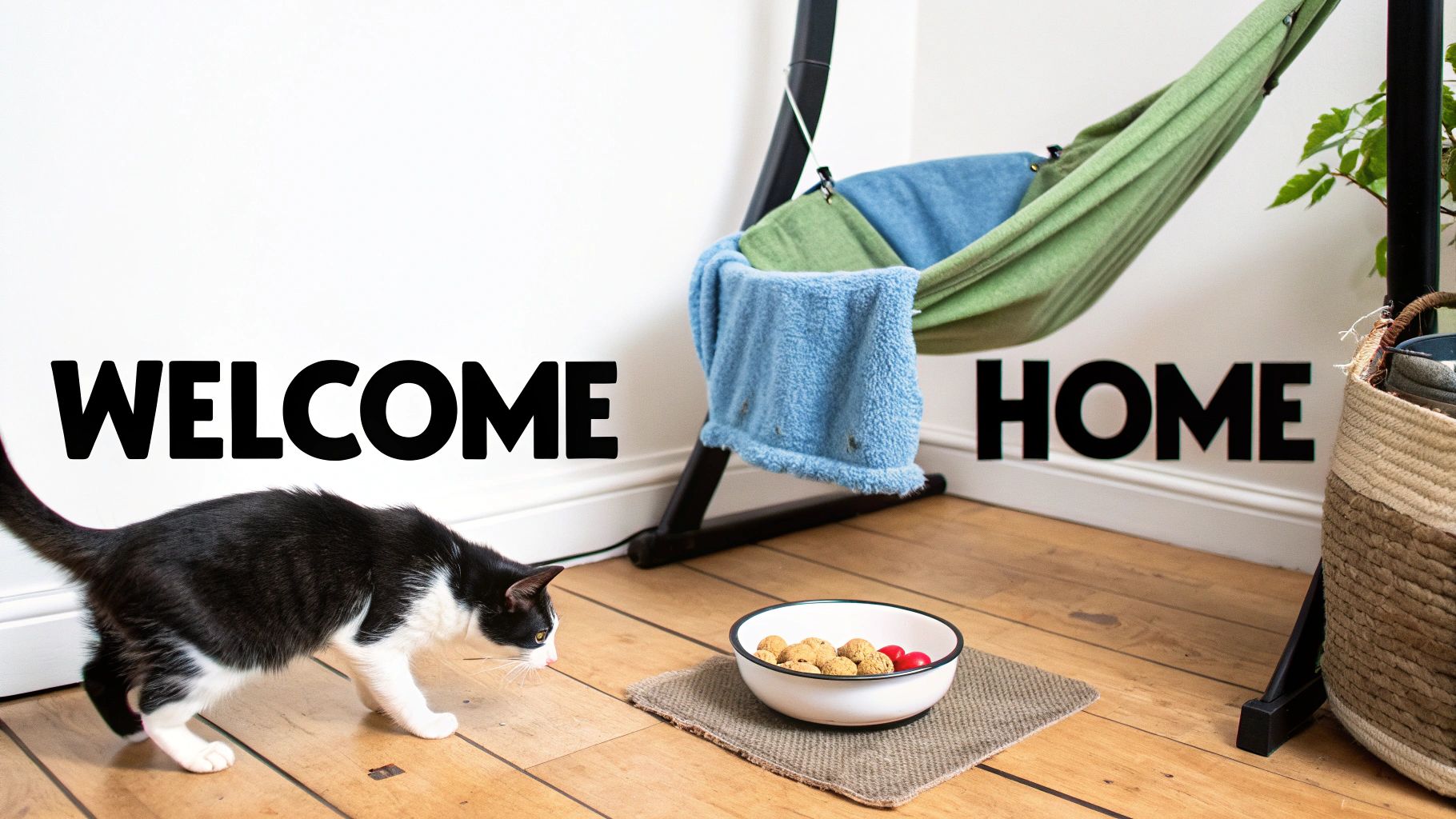
So, you’ve brought home the perfect cat hammock, set it up just right, and now… nothing. Your cat is giving their new throne the cold shoulder. Don't sweat it—this is completely normal. Cats are creatures of habit and can be deeply suspicious of anything new showing up in their territory.
Think about it from their point of view. A weird object just appeared out of nowhere. Is it a friend? Is it a threat? Forcing them onto it will only cement the idea that it's a bad thing, turning a potential paradise into a place to be avoided. The trick is a gentle introduction, a little patience, and plenty of positive vibes.
Our goal is to reframe the hammock in your cat's mind. We want to transform it from a strange invader into a safe, rewarding, and downright awesome piece of their personal real estate. It's all about making them think that lounging in this new spot was their brilliant idea from the start.
Creating Positive Associations
The quickest way to get a skeptical cat on board is to connect the hammock with things they already adore. This isn't about "training" so much as it is about persuasion. You're using their favorite things to build a bridge of trust to the new object.
Start with scent. Make the hammock smell familiar and safe by placing a t-shirt you've worn or a blanket they love to nap on inside the sling. Mixing your scent with their own instantly makes the hammock seem less foreign and more like it's always been part of their home.
"The optimal design for a cat wall depends on the individual cat. Factors such as age, temperament, and energy level greatly influence what would suit them best… Accessibility is essential to begin with platforms that are easily reachable."
This same idea applies perfectly to the hammock. By making it familiar and easy to approach, you're lowering the barrier to that first curious sniff or tentative paw step.
Gentle Encouragement Techniques
Once the hammock smells like home, it's time for some active encouragement. Keep it low-pressure and high-reward. This should be fun for them!
Try these simple, cat-approved methods:
- The Treat Trail: Lay a little path of their absolute favorite treats leading up to and into the hammock. This turns the whole experience into a fun scavenger hunt. Just set it up and walk away—let them discover the jackpot on their own terms.
- Playtime Proximity: Grab a wand toy and start a play session near the hammock. Drape the feather or string over the edge, encouraging your cat to pounce and maybe even hop inside to "catch" their prey. This links the hammock to the excitement of a good hunt.
- A Dash of Catnip: If your cat goes bonkers for catnip, a tiny sprinkle inside the hammock can be an irresistible invitation. The scent often sparks curiosity, getting them to roll around and investigate, which builds an instant positive memory.
- Quiet Praise: Any time you see your cat interacting with the hammock—sniffing it, rubbing against it, even just looking at it—offer some calm, gentle praise. Your positive tone reinforces that this new thing is a good thing.
Remember, every cat has its own timeline. A bold kitten might leap right in, while a shy senior cat could take a week or more to feel secure. The secret ingredient is always patience. Let your cat set the pace, and soon enough, you’ll find them curled up in their new favorite spot for every afternoon nap.
Keeping Your Cat Hammock Clean and Maintained
So you’ve found the perfect hammock for your cat. Fantastic! But like any piece of well-loved furniture, it’s going to need a little upkeep to stay fresh, safe, and inviting. A bit of regular care is all it takes to make sure your cat's favorite snooze spot remains a clean and secure retreat.
This isn't just about looks, either—it's about your cat's health. A clean hammock stops dander, fur, and dirt from building up, which is better for everyone in the house. Plus, a quick stability check now and then prevents accidents, keeping that cozy perch a safe haven for years.
Your Simple Cleaning Routine
Thankfully, most quality cat hammocks are designed to be low-maintenance. The best ones come with removable fabric slings you can just toss in the wash, which makes life incredibly easy.
- For the Fabric Sling: Just pop the sling off the frame and wash it on a gentle cycle. I always recommend using a mild, pet-safe detergent. Let it air dry afterward to keep it from shrinking and to help the fabric last longer.
- For the Frame and Mounts: Give the frame a good wipe-down with a damp cloth to get rid of dust and fur. If you have a window hammock, now’s the perfect time to clean the suction cups with a little soap and water. This helps them keep their powerful grip on the glass.
If you're looking for more tips on keeping all your pet's gear spotless, our guide to pet grooming and cleaning supplies has you covered with product recommendations to make the job a breeze.
Remember, regular cleaning does more than just make the hammock look nice. It gets rid of allergens and any lingering smells, which is a big deal for your cat. Their powerful sense of smell plays a huge role in whether they feel comfortable in a space.
The Essential Safety Checklist
Beyond cleaning, a quick safety check every now and then is a must. It only takes a minute and gives you peace of mind knowing your cat’s favorite spot is solid and secure. I like to do this every few weeks, usually right after cleaning it.
Your Quick Safety Inspection:
- Test the Mounts: If you have a window perch, give each suction cup a firm press to make sure it’s still sealed tightly to the glass. For wall-mounted hammocks, give the shelf a gentle but firm wiggle. You shouldn’t feel any give.
- Tighten Hardware: Cats jumping on and off can loosen things over time. Check any screws, bolts, or clamps and tighten them up if needed.
- Inspect for Wear and Tear: Take a close look at the fabric sling for any fraying or thinning spots. Check the support wires or straps for any signs of damage, too. Catching these little things early stops them from becoming big problems later.
By following this simple cleaning and safety routine, you can be sure your cat’s hammock will always be the safe, clean, and cozy retreat they deserve.
Your Cat Hammock Questions, Answered
Even after reading through a guide, a few questions can pop up. It's totally normal! To help you feel completely sure about your choice, I've rounded up some of the most common questions from cat owners just like you.
Are Window Hammocks Really Safe For Big Cats?
Absolutely, as long as you pick the right one. The key is to always check the manufacturer's weight limit. You'll find that the best models use super-strong suction cups and steel cables, often rated to hold 40 pounds or even more.
If you have a heavier cat like a Maine Coon or Ragdoll, I always recommend looking for a design with four suction cups instead of just two. That extra support makes all the difference. Just make sure to give your window a good cleaning before you stick it on, and give the cups a press every now and then to keep the seal tight.
How High Should A Wall Hammock Be?
A good rule of thumb is to start about 3-4 feet off the floor. This height usually hits the sweet spot—high enough for your cat to feel like they're surveying their kingdom, but still low enough for them to hop up easily.
Of course, think about your own cat's age and how nimble they are. If you're planning a whole "cat superhighway" on your wall, you can play with different heights. The most important thing is to make sure there's a clear and safe way for them to get up and down, whether it's from a nearby chair or another shelf in the setup.
"When introducing your cat to wall-mounted furniture, it's essential to begin with platforms that are easily reachable. A low starting point ensures your cat feels safe and encourages exploration."
Will A Hammock Damage My Windows Or Furniture?
Not if you install them properly! The good ones are designed to be completely non-destructive. The suction cup types stick firmly to glass but peel off clean without leaving any gunk behind. The under-chair hammocks use simple adjustable straps that won't scratch or dent your furniture.
The only ones that leave a mark are the wall-mounted versions, which need a few screws. But even then, the holes are small and can be easily spackled and painted over if you ever move things around. Just follow the instructions to a T, and you'll be golden.
Can Two Cats Share One Hammock?
This really comes down to the hammock's size and weight capacity. Some of the bigger, sturdier models are definitely built for two cats who love to snuggle, but you have to double-check that the weight limit can handle both of them.
That said, most cats are pretty big on personal space. To head off any potential turf wars or squabbles, giving each cat their own dedicated spot is usually the best way to maintain peace and harmony. And to keep the hammock clean, especially if multiple cats are using it, you can find great tips in a guide on how to clean a microfiber couch.
Ready to treat your cat to the ultimate lounging spot? Take a look at the thoughtfully designed and super-durable cat hammocks at Ur Pet Store to find the perfect one for your best friend. Shop the collection at Ur Pet Store.