

Blog
Your Guide to Choosing the Perfect Dog Car Seat Booster

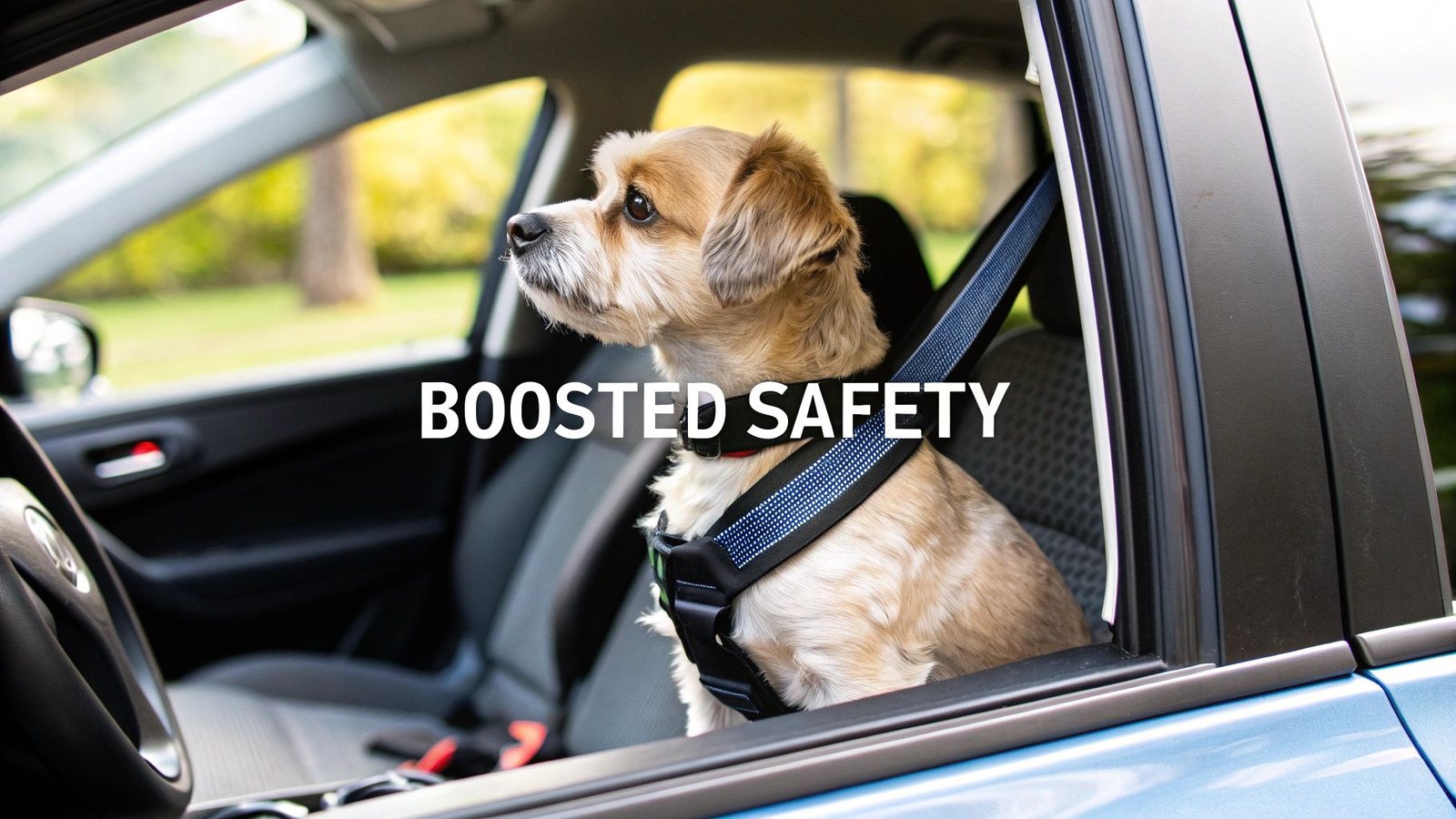
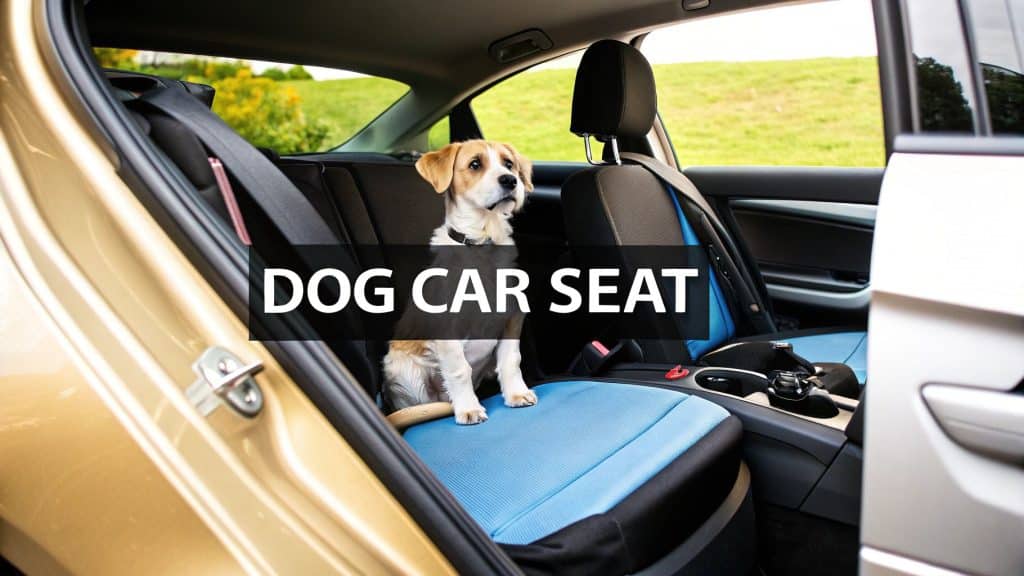
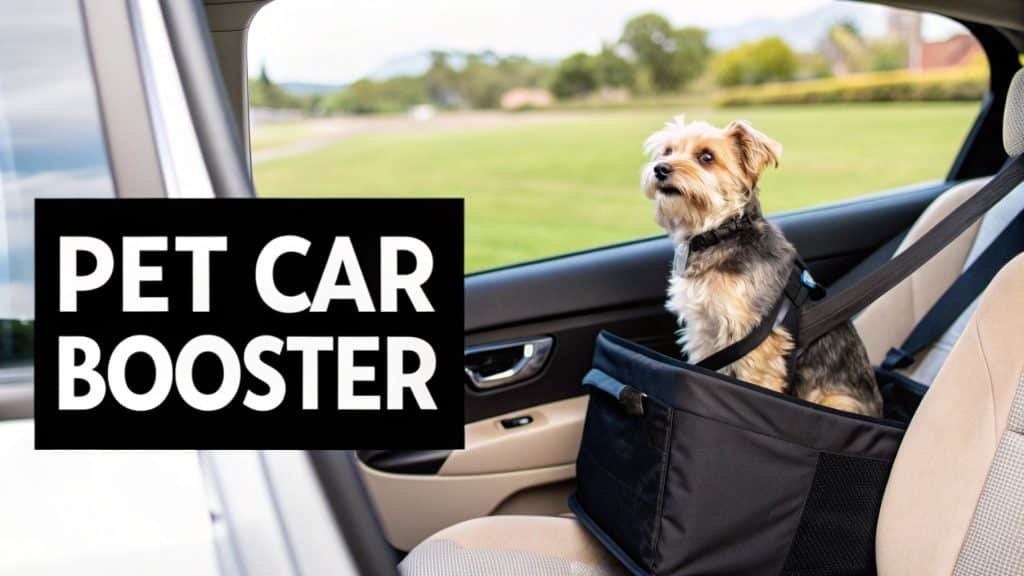
Ever wondered what a dog car seat booster actually is? Think of it as a specialized car seat built just for your dog. It's designed to lift your small or medium-sized pup up, giving them a safe, secure spot where they can see out the window. The booster itself is anchored by your car's seatbelt, and a built-in tether clips right onto your dog's harness, keeping them snug and safe. It’s a simple concept, but it's one of the most important things you can do to protect your best friend on the road.
Why Your Dog Needs a Car Seat Booster
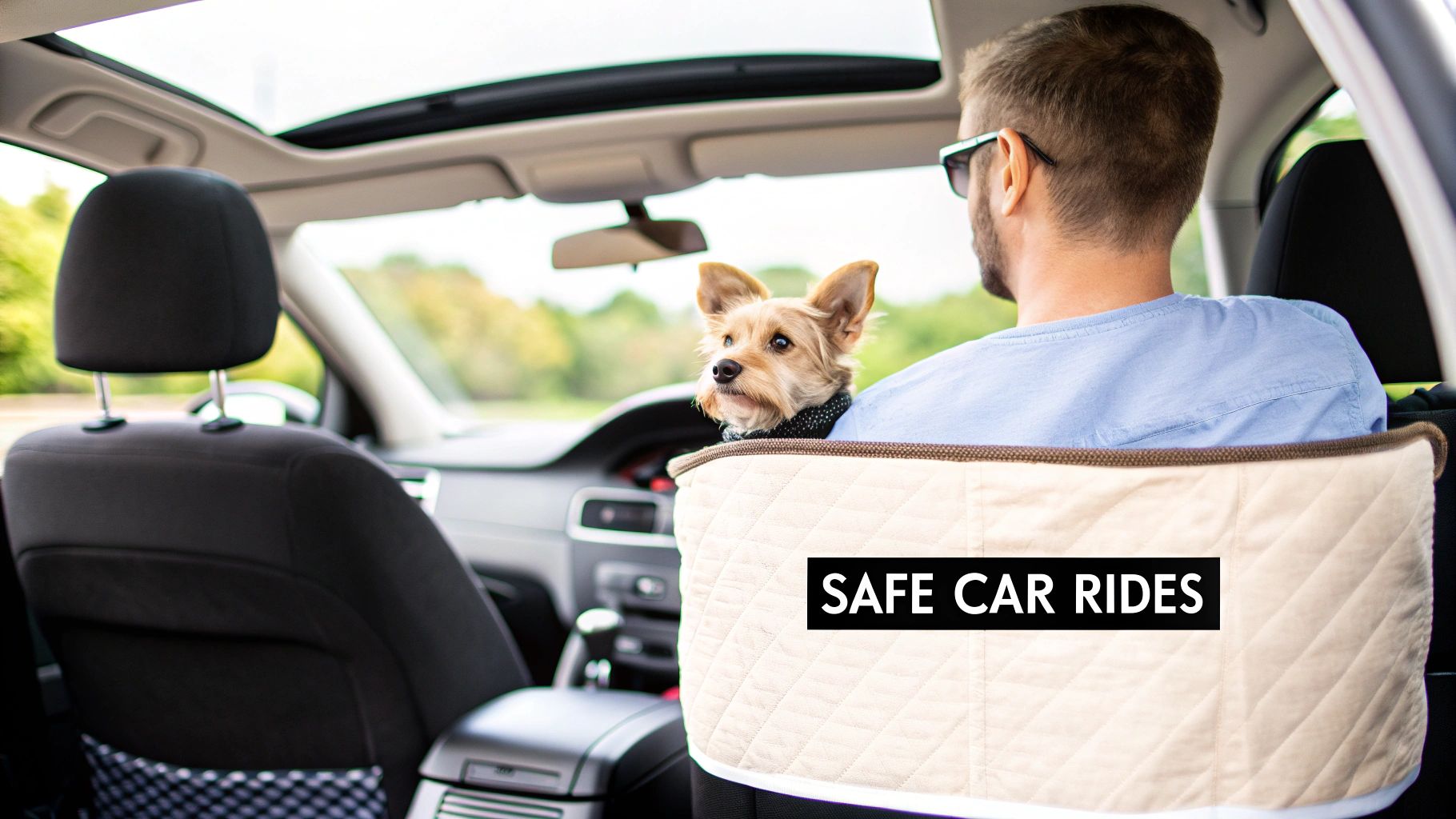
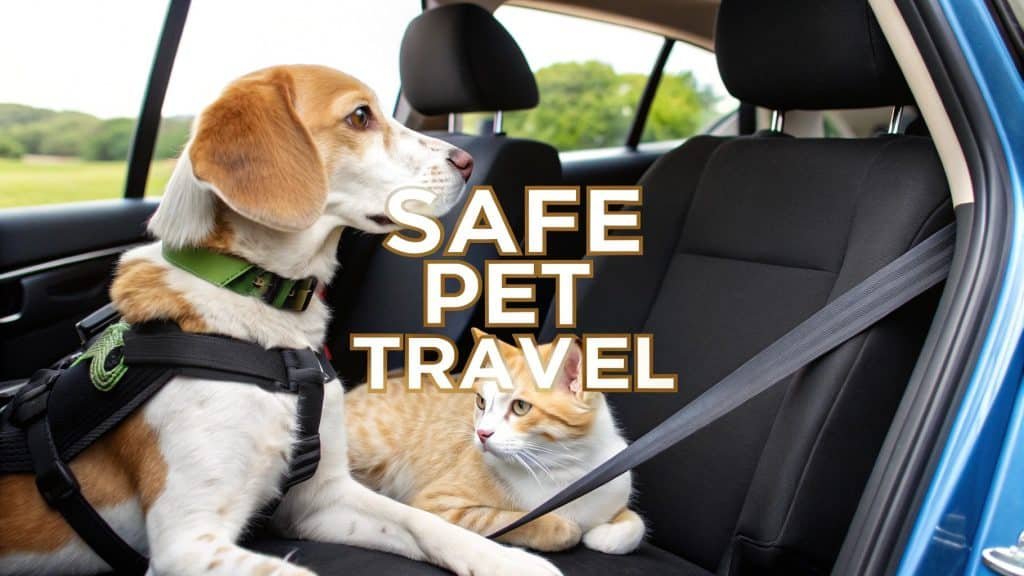
Road trips with your dog should be fun, not stressful. But letting your pet roam free in a moving car is a recipe for disaster. A car seat booster tackles the two biggest dangers head-on: it keeps you from getting distracted and protects your dog if you have to slam on the brakes. You wouldn't let a child ride without a seatbelt, right? The same principle applies to our four-legged family members.
In a sudden stop or, worse, an accident, an unrestrained dog can be thrown around the cabin, leading to serious or even fatal injuries. They can also get underfoot, jump in your lap, or block your mirrors—all things that can cause an accident in the first place. A booster seat eliminates these worries by giving your dog their own safe spot.
The Core Benefits of a Secure Booster
Let’s be clear: a dog car seat booster is about safety first, comfort second. It gives you incredible peace of mind knowing your dog is contained, letting you focus on driving while they enjoy the ride.
Here’s what you get with a good booster seat:
- Reduced Driver Distraction: Your dog stays put, so your eyes stay on the road. It’s that simple.
- Enhanced Pet Safety: The tether and harness combo prevents your dog from lurching forward during a hard brake.
- A Better View for Them: Hoisting your little buddy up so they can see out the window can do wonders for car anxiety and motion sickness.
- Comfort and Security: A cozy, enclosed space makes dogs feel safe and relaxed, much like their favorite https://urpetstore.com/product/calming-dog-bed/ at home.
A dedicated dog car seat booster isn't a luxury—it's an essential piece of safety equipment. By keeping your dog securely in place, you protect them from injury and eliminate one of the most common causes of driver distraction.
The table below breaks down the key safety differences at a glance.
Booster Seat Safety at a Glance
| Feature | Benefit of a Dog Car Seat Booster | Risk of an Unrestrained Pet |
|---|---|---|
| Containment | Keeps dog in a single, secure spot. | Can roam the cabin, blocking views or interfering with controls. |
| Impact Protection | Restrains the dog to prevent them from becoming a projectile. | High risk of severe injury to the pet and other passengers. |
| Driver Focus | Allows the driver to concentrate solely on the road. | Creates a significant distraction, increasing accident risk. |
| Anxiety Reduction | Provides a familiar, elevated space that calms the dog. | Can lead to increased stress, barking, and anxious behavior. |
As you can see, the benefits go far beyond just keeping your seats clean.
It’s no surprise that pet parents are catching on. Safety reports have highlighted that pet distractions contribute to a startling 29% of car accidents. Premium boosters with features like headrests and secure harnesses are designed to prevent exactly that. The numbers show it, too—the pet car safety seat market was valued at US$ 256 million in 2024 and is projected to climb to US$ 416 million by 2031.
For a more in-depth look at keeping your furry friend safe on every journey, check out this ultimate guide to traveling safely with your dog.
Decoding the Features of a Quality Booster Seat
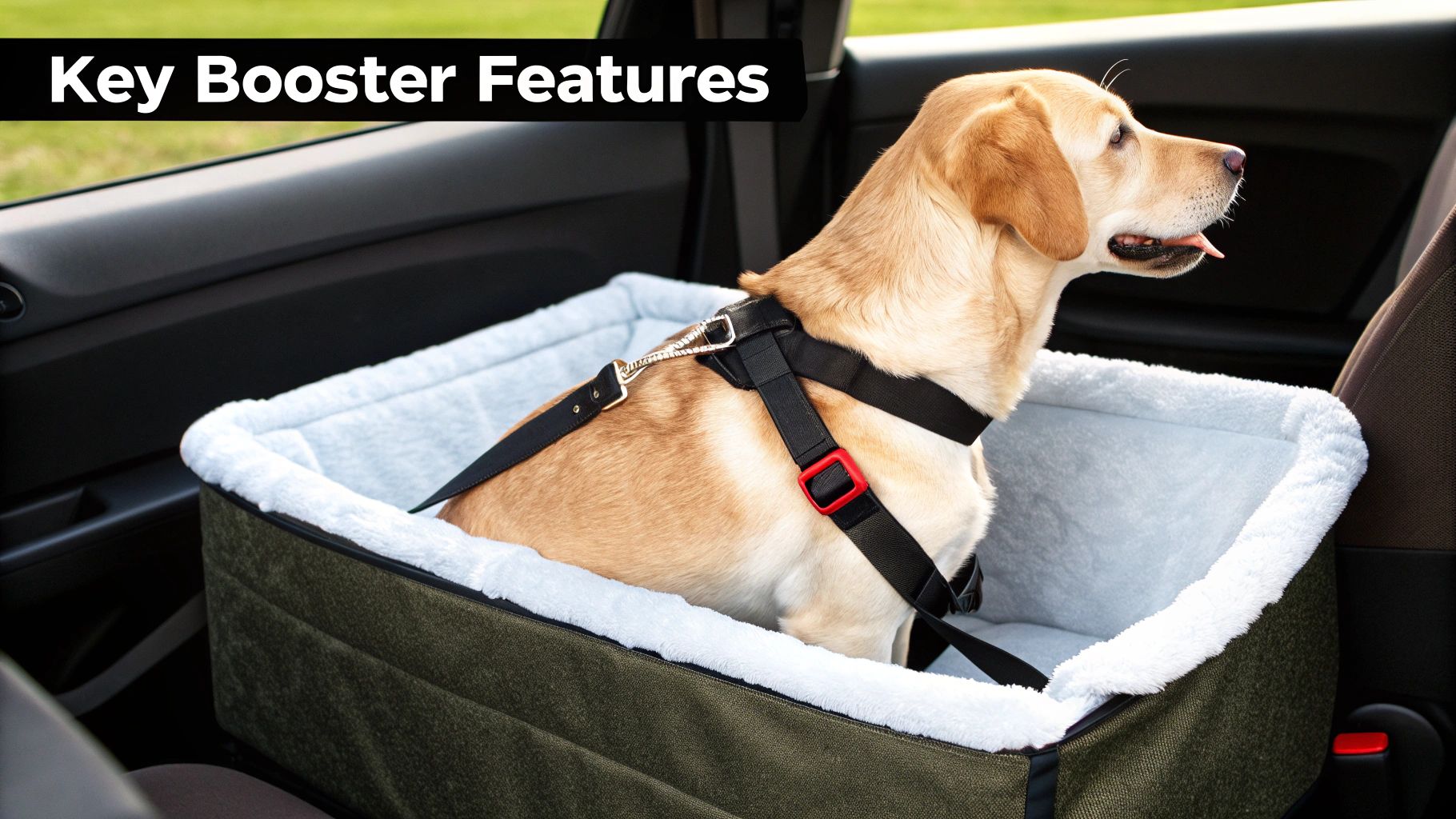
Let's be honest, not all dog car seat boosters are made the same. When you're walking down the pet aisle, it's easy to get overwhelmed by the options. But the difference between a flimsy, basic model and a truly high-quality seat is massive, especially when it matters most.
Think of it like choosing a car seat for a child. You have to look past the cute patterns and focus on the features that will genuinely keep your best friend safe and secure on the road. A good booster has a serious job to do—protecting your dog from a sudden stop or, worse, a collision. To do that, it needs a combination of smart design, strong materials, and thoughtful comforts.
Let’s break down exactly what you should be looking for.
The Non-Negotiables of Safety
When it comes to your dog's safety, there's absolutely no room for compromise. This is the single most important factor, and a few key features separate the best from the rest.
-
Secure Tether and Harness Connection: Every quality booster seat must have a built-in, adjustable tether. This is the strap that clips directly to your dog’s harness—and I mean never their collar. Attaching a tether to a collar could cause serious neck or throat injuries in a sudden stop.
-
Robust Vehicle Attachment System: The booster seat itself has to be anchored firmly to your car. Look for designs that use your car’s seat belt by threading it through a secure loop or channel in the booster’s frame. Some models even use the LATCH system (the same one for child seats) for an even tighter, more reliable fit.
-
Crash-Tested Design: While it’s not yet a universal standard like with kids' car seats, top-tier brands are now crash-testing their booster seats. A crash-tested label is a big deal. It means the product has been professionally evaluated to perform under collision-like conditions, giving you a proven layer of protection.
Materials and Durability
Next up, let's talk about what the booster is made of. Your dog is going to be sitting, sleeping, and maybe even doing a little chewing in this thing, so durability is a must. A flimsy frame or easily torn fabric just won't cut it, and more importantly, it won't provide the protection needed in an accident.
A well-built dog car seat booster is an investment in safety and longevity. Look for materials that can withstand claws, chewing, and frequent cleaning without degrading, ensuring it remains a reliable part of your travel gear.
You want a sturdy, rigid frame that won’t collapse under your dog’s weight or buckle during an impact. The exterior fabric should be tough enough to resist tearing. Many of the best models use durable materials like reinforced nylon or heavy-duty canvas for exactly this reason.
Comfort Meets Practicality
Once you've nailed down safety and durability, you can focus on making the ride comfortable and convenient. After all, a comfy dog is a happy (and less distracting) traveler.
-
Plush, Supportive Padding: Good padding on the bottom and sides makes for a cozy spot to nap and adds an extra layer of cushioning. For senior dogs or pups with joint issues, an orthopedic foam base is a fantastic upgrade.
-
Removable and Machine-Washable Covers: This feature is an absolute lifesaver. Between shedding, muddy paws, and the occasional accident, things get messy. A cover you can easily zip off and toss in the wash makes cleanup a breeze.
-
Breathable Fabrics: Look for a soft, breathable lining like faux sheepskin or fleece. It'll help keep your dog from overheating on long summer trips but still feel cozy in the winter.
As more pet owners treat their dogs like family, the demand for these features is skyrocketing. The dog car seat booster market was valued at USD 120 million in 2024 and is projected to hit USD 250 million by 2033. This growth is driven by a simple fact: we now understand that unrestrained pets are a danger to themselves and everyone else in the car.
You can learn more about this market trend and innovations in pet travel safety at Verified Market Reports. By choosing a booster with these key features, you're not just buying a product; you're investing in peace of mind for every adventure with your furry co-pilot.
Getting the Fit Just Right for Your Dog and Your Car
Choosing a dog car seat booster is less like picking a toy and more like getting a custom piece of safety gear. If it's too big, your dog won't be secure. Too small, and they'll be cramped and uncomfortable. The sweet spot is that "just right" fit that works perfectly for both your pup's size and your vehicle's interior.
Nailing this from the get-go saves you the hassle of returns and, more importantly, keeps your pet properly protected. Think of it like tailoring a suit—a few simple measurements can make the difference between a sloppy, unsafe fit and a sharp, secure one. Let's walk through how to measure the two key players: your dog and your car.
Sizing Up Your Four-Legged Co-Pilot
Before you even start browsing for a dog car seat booster, you’ll need to grab three key measurements from your pup. A soft measuring tape and a few treats will make this a much smoother, happier process for everyone involved.
-
Get Their Weight: This is the easiest and most critical number. Every booster seat has a strict maximum weight limit. Pushing past that limit can compromise the seat's integrity in a sudden stop or, worse, an accident. Your bathroom scale will do the trick.
-
Measure Seated Height: Ask your dog to sit, then measure from the floor right up to the top of their head. This helps you find a booster with sides tall enough to keep them contained, but low enough that they can still comfortably peek out the window.
-
Measure Body Length: For this one, have your dog lie down and measure from the base of their neck to the base of their tail. This measurement is all about comfort—it ensures they have enough room to curl up and snooze on longer drives without feeling squished.
It's a common trap to shop for a booster based on breed alone. Remember, two Beagles can have totally different builds and weights. Always trust your own tape measure, not guesswork. A perfect fit is what allows the booster’s built-in tether to be adjusted correctly for maximum safety.
To make things even easier, use this quick cheat sheet to jot down your dog’s numbers.
Dog Measurement Cheat Sheet for Booster Seats
| Measurement Type | How to Measure | Why It Matters | Your Dog's Measurement |
|---|---|---|---|
| Weight | Use a bathroom scale. | Must be under the booster's max weight limit. | |
| Seated Height | From floor to top of head while sitting. | Ensures sides are high enough for safety but low enough for visibility. | |
| Body Length | From base of neck to base of tail while lying down. | Guarantees enough room to lie down and rest comfortably. |
Having these numbers handy will make comparing different models a breeze.
Making Sure It Fits Your Vehicle
Once you have your dog's stats, it's time to check your car. Not every booster seat works in every car, so a quick look at your backseat is a crucial next step.
Your main goal here is to make sure you can anchor the booster so it won't shift, slide, or tip over while you're on the road. The vast majority of boosters are designed to be installed using your car's own seat belt system.
Here's a quick checklist to run through:
-
Check Your Seat Belt Length: Unbuckle the rear seat belt and pull it all the way out. You need to be sure it’s long enough to thread through the booster’s designated loops or slots and still click securely into the buckle. Some of the larger, bulkier boosters require a surprising amount of belt.
-
Look at Your Seat Shape: Are your back seats heavily contoured or sloped? A booster needs a relatively flat and stable surface to rest on. Measure the width and depth of the seat cushion where you plan to put it, making sure the booster's base won't hang over the edge.
-
Find Your Anchor Points: Get familiar with where the seat belt buckle is. If your car is a newer model, you may also have LATCH anchors (those little metal bars tucked into the crease of the seat). Knowing where these points are will make the installation process much faster.
Remember, the tether inside the booster should always connect to a high-quality harness, never a collar. If you're looking to upgrade, you can find plenty of safe and comfortable styles in our collection of dog collars, leashes, and harnesses. Taking just a few minutes to measure first ensures the booster you bring home will be a perfect, safe, and comfy spot for your best friend on all your adventures together.
A Step-by-Step Installation Guide
So you've done the hard part—you've researched, measured, and brought home the perfect booster seat for your furry co-pilot. Now for the most important part: installing it correctly. A booster that’s not properly secured gives you a false sense of security and can be just as risky as having no booster at all.
Your goal is to make that seat feel like it's a built-in part of your car. It shouldn't budge during a sharp turn, a sudden brake, or, heaven forbid, a collision. Think of it like installing a baby's car seat; a tight, wiggle-free fit is non-negotiable for your dog's safety.
Before you start, double-check that you've got the right fit for your dog and your vehicle. This quick visual guide shows how simple that process is.
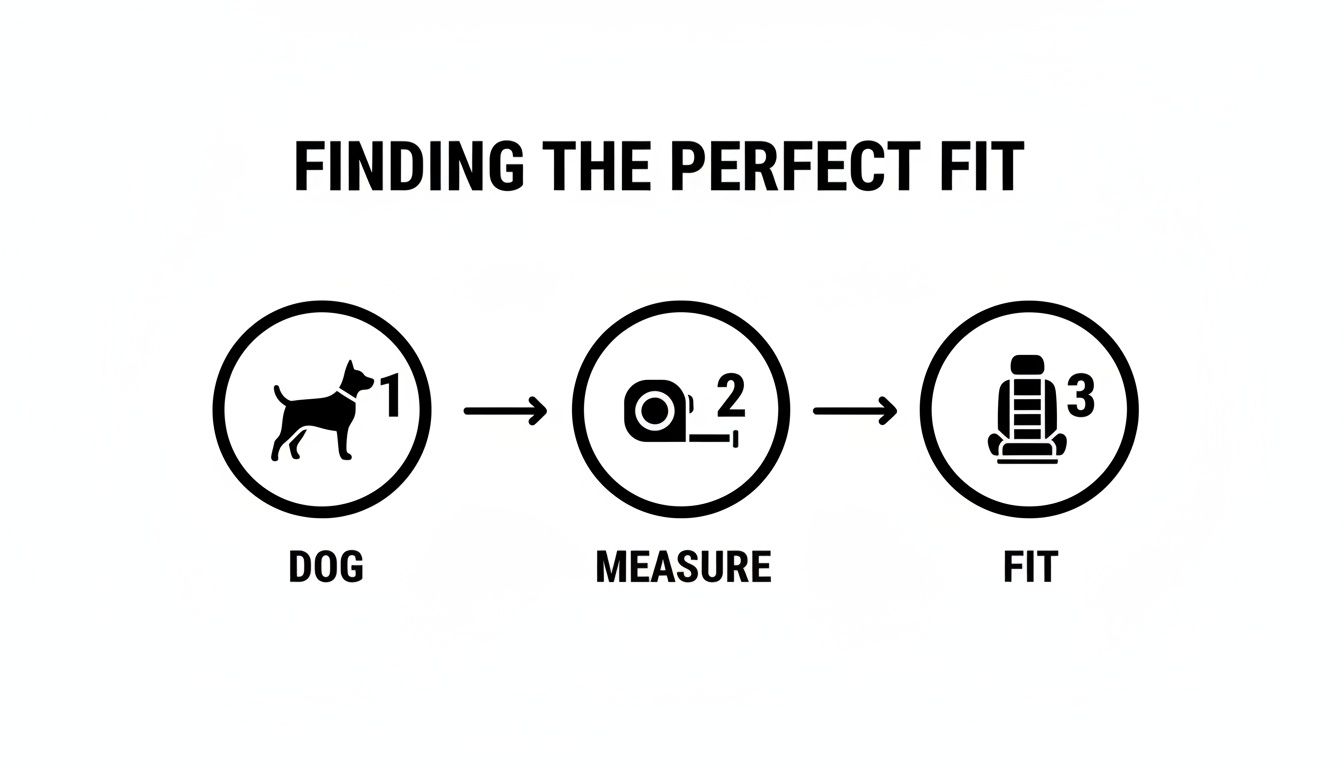
Getting those three steps right—measuring your dog, measuring the car seat, and confirming they match—is the foundation for a rock-solid installation.
Method 1: Using Your Car's Seat Belt
This is the classic method and the most common way to install a dog booster. It's a universal approach that works in just about any car with a back seat.
-
Position the Booster: Place the empty booster flat on the back seat. Shove it firmly against the seatback until it's snug. Make sure it’s sitting level and not rocking side-to-side.
-
Route the Seat Belt: Look for the built-in slots or channels on the back or bottom of the booster. Carefully thread your car's seat belt (both the lap and shoulder parts) through these designated paths. This is what keeps the booster from sliding around.
-
Buckle and Tighten: Click the seat belt into the buckle. Now, use your body weight to press down firmly on the booster with one hand while pulling the shoulder belt tight with the other. You want to get all the slack out. When you're done, the booster shouldn't move more than an inch in any direction.
Pro Tip: Once it feels tight, lock your seat belt. Pull the shoulder belt all the way out until you hear it make a clicking or ratcheting sound, then let it feed back in. This engages the belt's locking mechanism, preventing it from loosening during the drive.
Method 2: Using the LATCH System
If you have a newer car (typically model year 2002 or later), you might have a LATCH system (Lower Anchors and Tethers for Children). If your booster is compatible, this system creates an incredibly secure connection.
- Find the Anchors: Feel around in the crack where your car's seat cushions meet. You're looking for small metal bars, usually marked with a little symbol.
- Clip It In: Attach the LATCH connectors from the booster seat onto those metal anchors. You'll hear a satisfying "click" when they're locked on correctly.
- Cinch It Down: Pull on the tightening strap to remove all the slack, just like you would with a seat belt. The booster should be pressed firmly against the vehicle's seat.
The pet car seat market is booming, valued at USD 3,089.4 million in 2024, showing just how seriously we're taking our pets' safety. With 90.5 million pet-owning households in North America alone, this is a big deal. Proper installation is critical, as unrestrained dogs contribute to as many as 20% of pet-related driving accidents. To see how much things have changed, you can learn more about pet travel safety trends and see how the market is evolving.
The Final, Most Important Step
Getting the booster seat locked down is only half the battle. Now you have to secure your dog inside of it.
- Harness Up: First things first, make sure your dog is wearing a comfortable, well-fitted harness. Never, ever attach the safety tether to your dog's collar. A sudden stop could cause serious injury to their neck or throat.
- Connect the Tether: Clip the booster's built-in tether to the metal D-ring on the back of your dog's harness.
- Adjust the Length: Shorten the tether so your dog has enough room to sit up or lie down, but not enough to jump out or hang over the side. When they're sitting, there should be almost no slack in the line.
By following these steps, you’re creating a complete safety system for your best friend. A secure booster and a properly adjusted tether give you the peace of mind to focus on the road, knowing your favorite passenger is safe and sound.
Keeping Your Dog's Car Seat in Top Shape
Your dog car seat booster is a crucial piece of safety gear, and just like your own seatbelt, it needs a little care to do its job right. Staying on top of maintenance doesn't just make the booster last longer; it guarantees a clean, comfortable, and safe spot for your best friend on every single trip.
Think of it as part of your regular car care. A quick wipe-down and inspection can make all the difference, preserving the booster's sturdiness and hygiene so every adventure starts on the right paw.
Routine Cleaning and Freshening Up
After a fun day at the park or a walk in the woods, your car can end up with a bit of the great outdoors inside. Keeping the booster clean is easy if you make it a regular habit instead of a huge chore.
Here are a few tricks for daily upkeep:
- De-Fur Regularly: A good vacuum with a brush attachment or a simple rubber pet hair tool can pull fur out of the fabric in no time.
- Tackle Spills ASAP: Keep a pet-safe spot cleaner handy for those inevitable muddy paw prints or drool marks. The quicker you get to them, the easier they are to remove.
- Let It Breathe: Don't underestimate the power of fresh air. On a nice day, take the booster out of the car for an hour or two to naturally air out any doggy smells.
Giving It a Deep Clean
Every so often—maybe once a month or after a particularly messy adventure—it’s time for a proper wash. This gets rid of the deep-down dirt and bacteria, giving your pup a truly fresh seat. Thankfully, most boosters are designed to make this easy.
- Strip the Cover: Most high-quality seats have a cover that zips right off. Unzip it and slide it off the booster's frame.
- Read the Care Tag: Always check the manufacturer's instructions first. Most covers can go right into the washing machine on a gentle, cold-water cycle.
- Choose a Gentle Soap: Use a mild, non-toxic detergent that won’t irritate your dog’s skin.
- Air Dry is Best: Let the cover air dry completely to avoid any shrinking or damage. A tumble dryer can be too rough on the fabric and seams.
If you're traveling with a puppy in training or a senior dog prone to accidents, a waterproof liner is your best friend. Placing a reusable dog pee pad blanket inside the booster can save you a ton of cleanup stress.
Quick Safety Checks Before You Go
Cleaning is only half the battle. A quick safety check before each trip is absolutely critical. It only takes 30 seconds and can help you spot a potential problem before it becomes a real danger.
Run through this simple checklist:
- Straps and Tethers: Pull on them and check for any fraying, thinning, or chew marks.
- Buckles and Clips: Latch and unlatch everything. Make sure they click securely and aren't cracked, bent, or getting sticky.
- Seams and Stitching: Give the seams a quick once-over, especially where the straps connect to the seat. Look for any pulled threads.
If you spot any serious wear and tear, it’s time for a replacement. When it comes to safety gear, you can't take chances. Your dog's security is always worth it.
A Few Common Questions About Dog Car Seat Boosters
Even after you've picked out what seems like the perfect dog car seat booster, it's totally normal to have a few questions pop up. Honestly, getting the little details right is what makes all the difference, turning a good purchase into a truly reliable safety system that gives you real peace of mind on the road.
We’ve put together the most common questions we get from customers right here at Ur Pet Store. Let’s walk through the answers so you can feel completely confident every time you and your furry best friend hit the road.
Can I Use a Dog Car Seat Booster in the Front Seat?
This is easily one of the most important questions we hear, and the answer is a hard no. You should always, always install a dog car seat booster in the back seat. The reason is simple and incredibly important: the front passenger airbag.
In a collision, an airbag deploys with a massive amount of force. It's engineered to protect a full-sized adult, not a small pet. That force can cause devastating or even fatal injuries to a dog, even one secured in a booster.
Putting the booster in the back seat takes that danger completely off the table. It also helps with another big problem: driver distraction. Having your dog right next to you is a recipe for distraction, but when they're safely buckled in the back, you can keep your eyes and your focus where they need to be—on the road.
What's the Difference Between a Dog Car Seat and a Booster?
People often use "dog car seat" and "dog car seat booster" to mean the same thing, and it can definitely get confusing. While they're both built for car safety, there's one key difference in what they're designed to do.
Think of a standard dog car seat as a self-contained, bolstered bed that just rests on your vehicle's seat. It keeps your dog secure, but it doesn't really lift them up.
A dog car seat booster, on the other hand, does exactly what its name implies—it's designed to boost your dog up higher. This little lift does two fantastic things:
- Gives Them a View: It lets smaller dogs see out the window, which is more than just fun for them. It can actually reduce car anxiety and motion sickness by giving them a clear, stable view of the horizon.
- Improves the Fit: The elevated position often allows your car's seat belt to wrap around the booster at a much better angle, holding it more securely in place.
Boosters are really the perfect solution for small to medium-sized pups who benefit from that extra height. For bigger dogs, you’ll want to look at a crash-tested safety harness that clips right into the seat belt system, since they're too large for an elevated seat.
My Dog Tries to Jump Out of the Booster. What Should I Do?
Don't worry, this is a super common hurdle, especially when a booster seat is a brand-new concept for your dog. It can be frustrating, but you can absolutely teach your dog to settle in and enjoy the ride. The trick is a combination of proper security and making it a happy place.
First, the safety gear. Every good booster comes with a built-in safety tether, and this is your most important tool.
The safety tether must always be attached to your dog's harness, never, ever to their collar. A sudden stop could cause a serious neck or throat injury if the tether is clipped to a collar. Adjust it so it’s short enough to keep them from hopping out, but long enough for them to comfortably sit, stand, or lie down.
Next, you need to convince them that the booster is a great spot to be. Don't make their first time in it a long, scary highway trip.
- Start at Home: Before it even goes in the car, just place the booster on your living room floor. Let your dog sniff it and check it out on their own terms. Toss a few of their favorite treats in there to start building a positive vibe.
- Take a Test Drive: Once they're cool with it in the house, move it to the car. Make the first few trips incredibly short—literally just around the block. Pile on the praise and treats for them staying calm.
- Build Up Slowly: From there, just gradually make your trips a little longer. With a bit of consistency, your dog will learn that the booster is their own safe, comfy spot in the car.
How Do I Know if My Dog Is Too Big for a Booster Seat?
Getting the size right is a non-negotiable part of keeping your dog safe. The number one rule is to stick to the manufacturer's weight limit. Every single booster has a maximum weight it's designed for, and you’ll find it printed right on the box or tag. Never go over this limit. If you do, you can't trust that the booster will hold up in an accident.
Beyond weight, just use your common sense. A good fit is also about physical space. Your dog should have enough room to sit and lie down without being all scrunched up. If they look like they’re crammed in or can't turn around to get comfy, that booster is too small.
If your dog has outgrown their booster, the safest next step for a larger pup is a high-quality, crash-tested safety harness. These are specifically designed to work with your car's seat belt system to keep them secure.
For other detailed questions about securing your setup, especially regarding extra equipment, you can find helpful information on topics like the safety of seat belt extenders when used with booster seats. It’s a great resource for making sure every part of your travel system is used correctly.
Answering these questions puts you in a much better position to use your dog car seat booster effectively. By understanding the why behind the rules—like backseat placement and harness-only connections—you can ensure every car ride is as safe as it is enjoyable.
Ready to give your pet the ultimate in-car safety and comfort? Explore the premium collection of travel accessories at Ur Pet Store and find the perfect fit for your furry co-pilot. Shop now at https://urpetstore.com and travel with confidence.