

Blog
Dogs Car Hammock: Your Guide to Safe Pet Travel


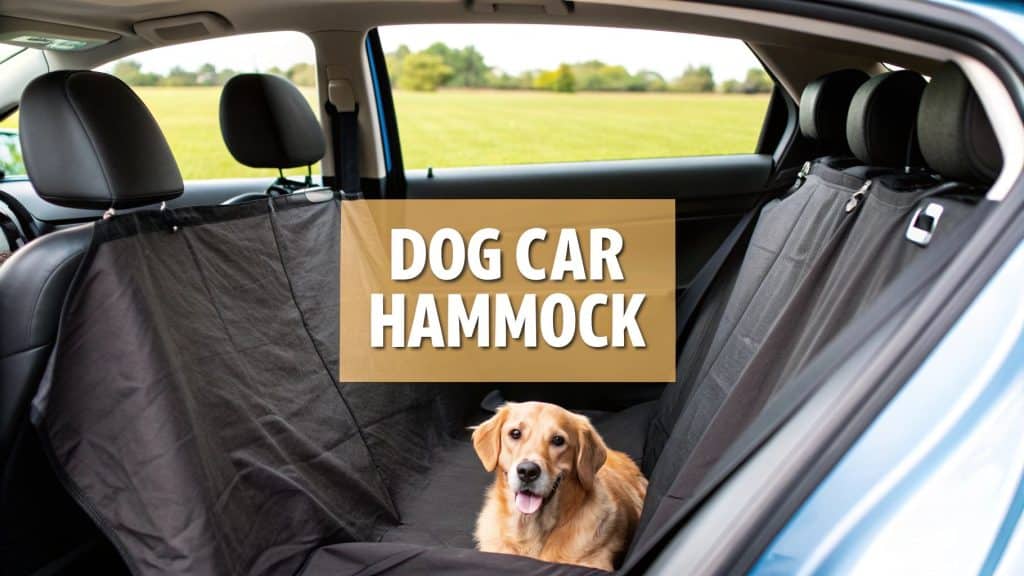
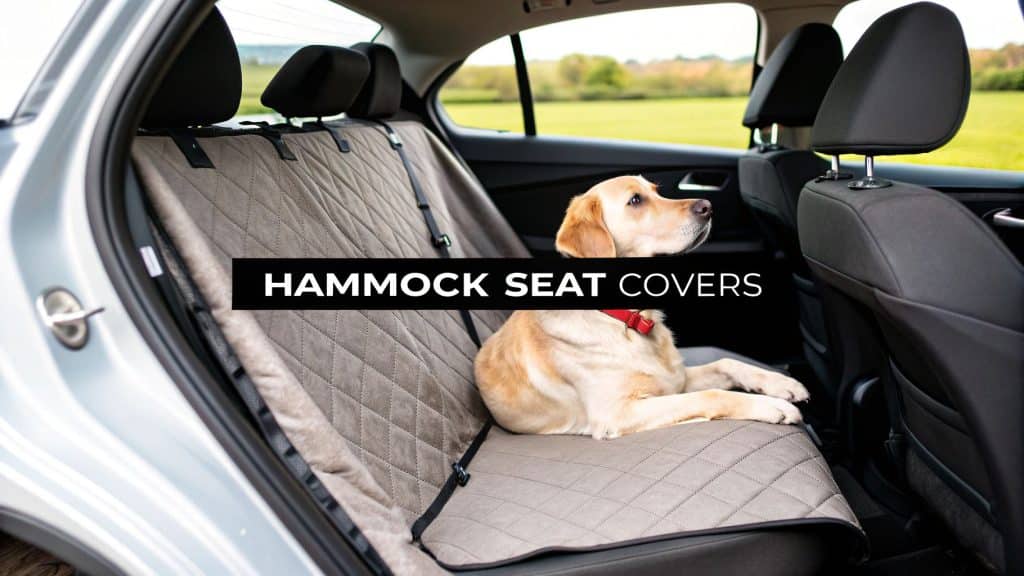
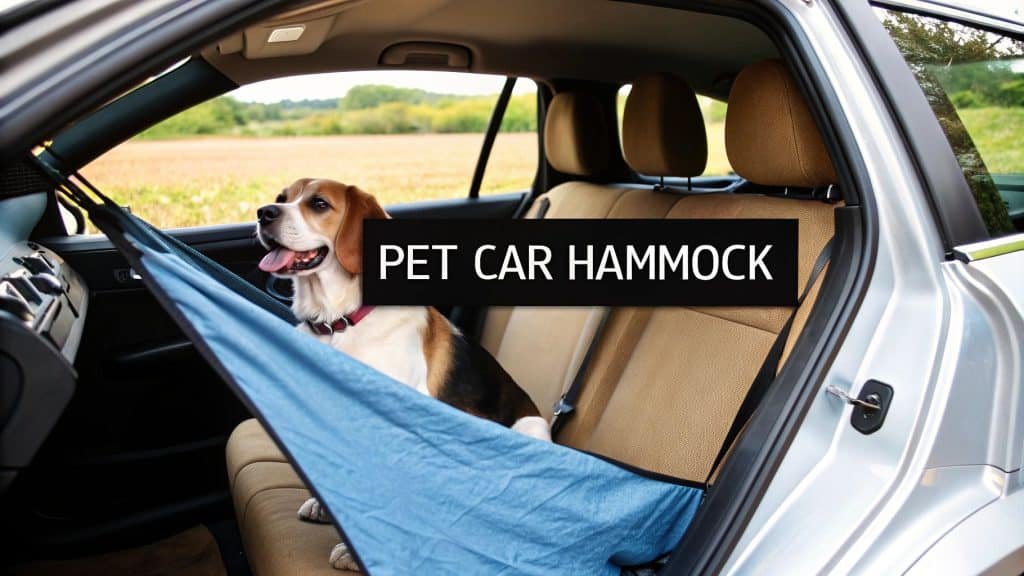
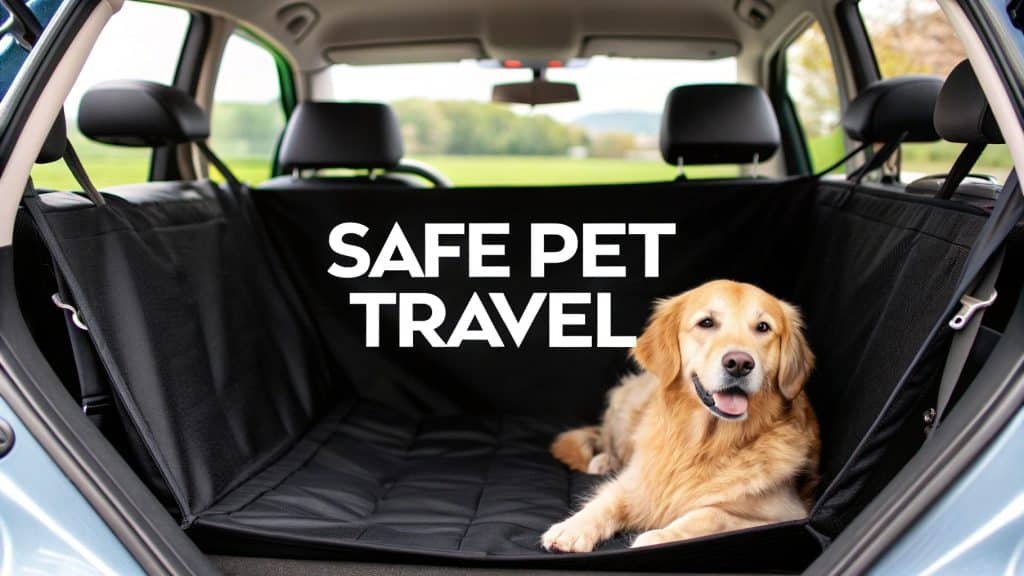
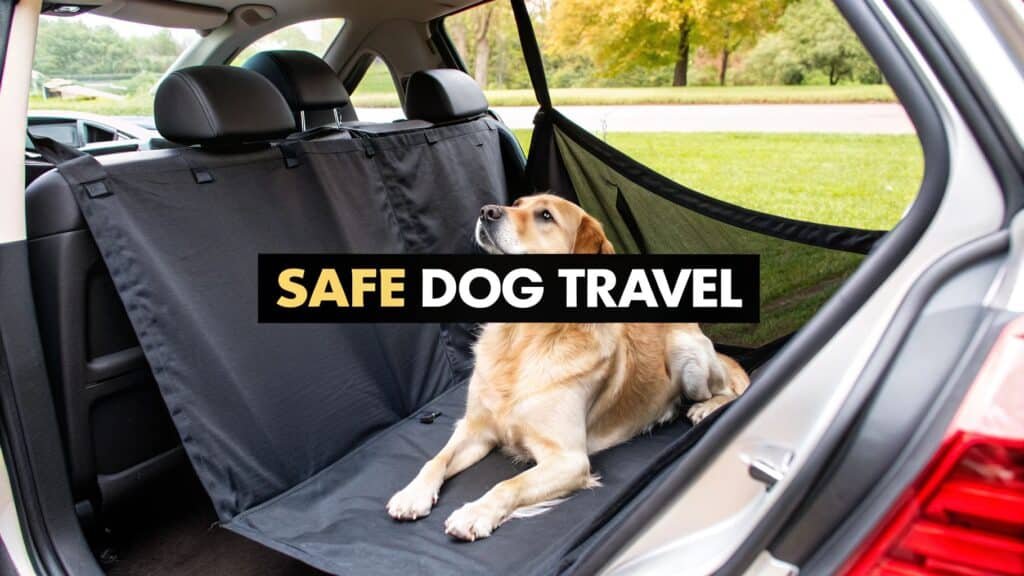
A dog car hammock is a specially designed cover that stretches between your front and rear headrests, creating a cozy, cradle-like space for your pet in the back seat. Think of it as a protective barrier that stops your dog from tumbling into the footwell during sudden stops while also keeping your car’s upholstery safe from fur, mud, and claw marks.
The Ultimate Co-Pilot Your Dog Deserves
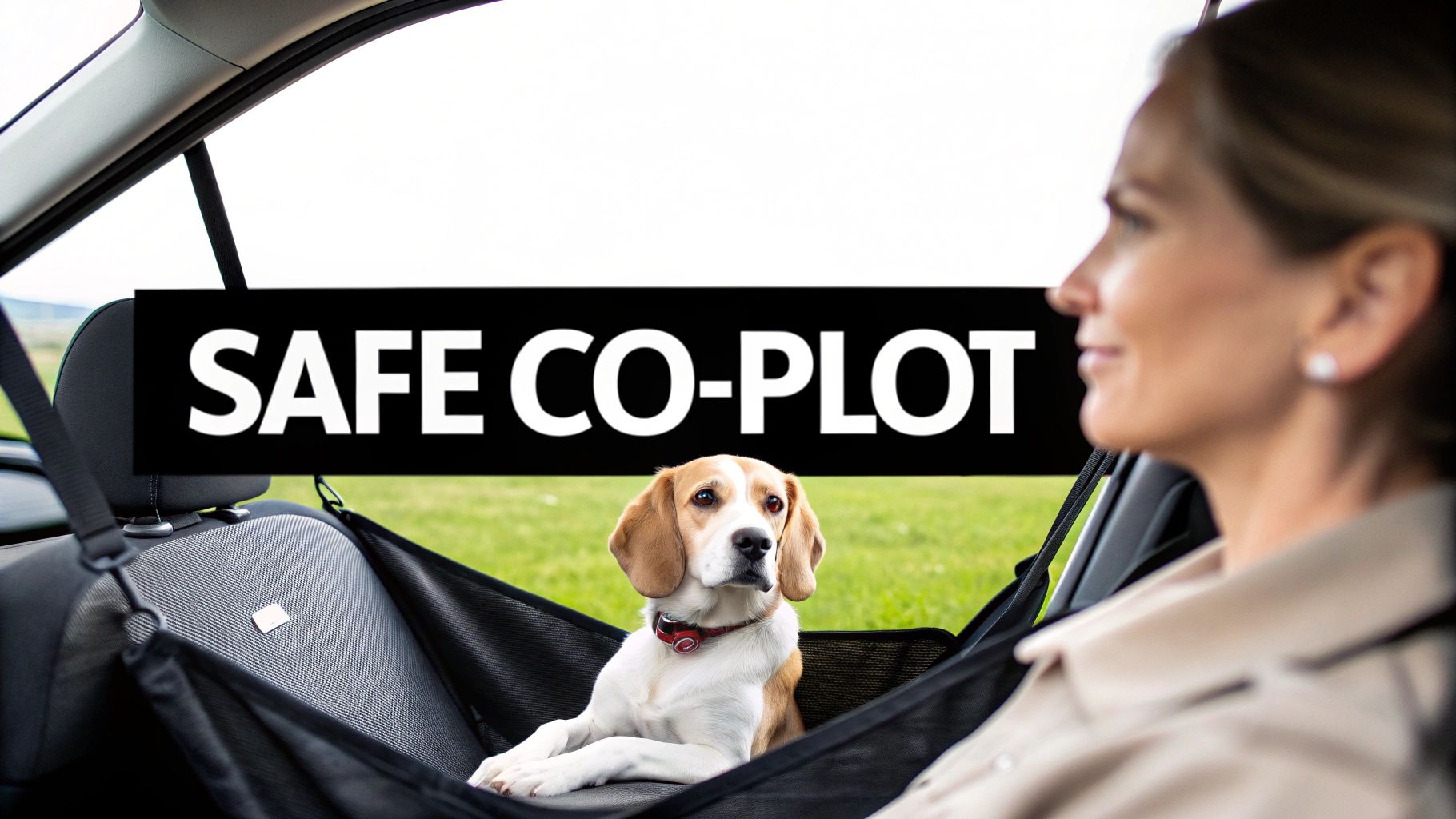
Ever had that heart-stopping moment where you tap the brakes and your first thought is, “Is the dog okay back there?” We’ve all been there. That split-second worry about your pup sliding off the seat is exactly what a dog car hammock is designed to prevent, turning your back seat into a safe haven for your furry best friend.
It’s more than just a seat cover; it’s a personal cabin for your dog. By creating a sturdy barrier, it keeps them from falling into the footwell and, just as importantly, helps you stay focused on the road by keeping them comfortably contained. Let’s dig into how this simple accessory keeps both your pet protected and your car looking brand new.
Why Hammocks Are a Must-Have
At its core, a dog car hammock delivers on two critical promises: safety and cleanliness. An abrupt stop can easily send an unrestrained dog flying, which can cause serious injury and create a lasting fear of car travel. The hammock’s simple yet brilliant design completely closes off the dangerous gap between the front and back seats.
This sense of security is huge for your dog’s well-being. A stable, comfortable space can dramatically cut down on travel stress. For a deeper dive into creating a calmer travel experience, you can explore various strategies for managing dog anxiety.
By creating a contained environment, a hammock helps anxious dogs relax, knowing they have a stable and predictable space during the journey. This psychological comfort is just as important as the physical protection it offers.
Their popularity isn’t just anecdotal. The global market for dog car seat hammock covers recently hit about USD 1.12 billion, a clear sign that pet owners are prioritizing solutions that protect both their dogs and their vehicles.
To give you a quick snapshot of why these hammocks are so popular, here’s a breakdown of their main advantages.
Key Benefits of a Dog Car Hammock at a Glance
| Benefit Category | Description |
|---|---|
| Enhanced Safety | Prevents dogs from falling into the footwell during sudden stops or turns. |
| Driver Focus | Keeps your dog safely contained, minimizing distractions while you drive. |
| Vehicle Protection | Shields upholstery from fur, dirt, scratches, and “accidents.” |
| Reduces Anxiety | Provides a secure, enclosed space that helps anxious dogs feel safer. |
| Cleanliness | Makes post-adventure cleanup a breeze—just remove and shake it out. |
These key points show just how much of a difference a quality hammock can make. In this guide, we’ll walk you through everything you need to know, from picking the right material to getting the installation just right, so you can hit the road with total peace of mind.
Finding the Perfect Hammock for Your Travels
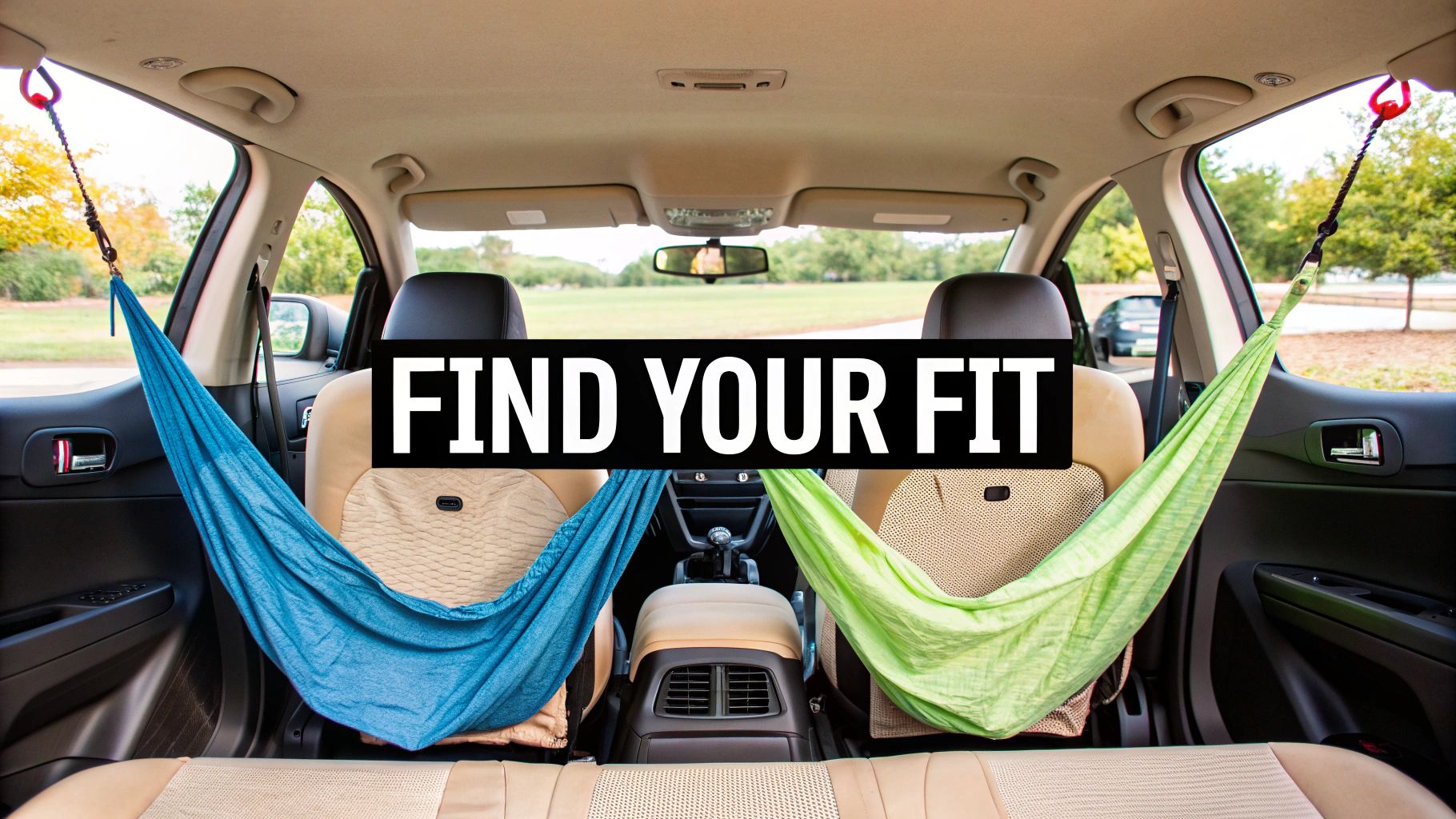
Choosing a dog car hammock isn’t a one-size-fits-all deal. It’s a lot like picking the right hiking boots—what works for a casual trail walk won’t cut it for a mountain trek. The best hammock for you really boils down to your dog’s size, the kind of car you drive, and the types of adventures you take together.
Not all designs are the same, and getting to know the main types is the first step to finding that perfect fit. From simple, basic models to options packed with clever features, each style has its own perks.
Comparing Hammock Styles
The world of dogs car hammocks generally comes down to three popular designs. Each one has a primary job, but the little details can make a huge difference in how well it protects your car and keeps your dog happy.
- Standard Hammocks: These are the classic, no-fuss originals. They simply stretch between your front and rear headrests, creating that crucial barrier that stops your dog from tumbling into the footwell during a sudden stop.
- Hammocks with Side Flaps: If you’re constantly battling muddy paws and scratchy claws, these are an absolute game-changer. The extra panels drape over the sides of the seat, protecting your door panels and upholstery from damage as your dog enthusiastically hops in and out.
- Convertible Hammocks: These clever designs offer the best of both worlds. They work as a full hammock but usually have a zipper or split that lets you fold one side down, turning it into a regular seat cover. This is perfect for anyone who needs to ferry around both their dog and a human passenger in the back seat.
The right style comes down to what your typical car ride looks like. If you’re always hitting the trails, those door flaps are non-negotiable. If you’re also the designated carpool driver, a convertible hammock offers flexibility you’ll be thankful for.
Key Features to Look For
Once you’ve settled on a style, a few key features can make your trips smoother for everyone. A mesh window is probably one of the most sought-after upgrades. This little screen sits between the front seats, letting A/C and heat flow to the back while also giving your dog a clear view of you—a simple feature that can dramatically cut down on travel anxiety.
Another incredibly practical feature is built-in storage pockets. These handy compartments are the perfect spot to stash a leash, a few treats, or some waste bags, keeping your essentials organized and easy to grab. And while you’re thinking about comfort on the go, don’t forget about it at home! A good hammock is just one piece of the puzzle; you can find a great selection of durable beds and mats to give your pet that same feeling of security wherever they are.
For those planning bigger adventures, checking out a guide like 7 Smart Ways to Transport Pets Across Country can offer some fantastic tips for longer hauls. By thinking through these styles and features, you can find a dogs car hammock that feels like it was made just for you and your furry co-pilot.
When you’re picking a dogs car hammock, the material it’s made from is everything. It’s what separates a flimsy cover that lasts one road trip from a durable workhorse that handles years of muddy paws and sharp claws. Think of it like a good pair of hiking boots—the material determines whether you’ll be comfortable and protected or miserable and wet.
Most of the best hammocks out there are made from tough, heavy-duty fabrics. You’ll typically run into two main contenders: Oxford polyester and canvas. Both are fantastic choices, but they have slightly different feels and strengths.
What Makes a Fabric Tough?
You’ll often see numbers like “600D Oxford” on the product description. That “D” stands for denier, which is basically a measure of how thick and dense the fabric’s fibers are. It’s a simple rule of thumb: the higher the denier count, the tougher the material.
For a dog hammock, you want to look for something that’s 600D or higher. This gives you the resilience you need to prevent rips and tears, especially if you have a big, energetic dog who likes to dig in before settling down.
- Oxford Polyester: This is a go-to for a reason. It’s incredibly durable, lightweight, and has great water resistance. Most are coated to make them fully waterproof, so spills and wet-dog-shake-offs just bead up on the surface.
- Canvas: If you want something truly rugged, canvas is your answer. It’s known for its heavy-duty strength and is fantastic at resisting scratches. Modern canvas isn’t as bulky as the old-school stuff, offering top-tier protection without weighing your car down.
It’s no surprise that owners are investing in this kind of protection. The global market for waterproof pet car seat covers has ballooned to over USD 1.3 billion. That tells you just how many people are tired of cleaning mud and fur out of their upholstery!
Material Comparison for Dog Car Hammocks
To make it easier to decide, let’s break down the most common materials you’ll find. Each one has its own set of pros and cons, making it better suited for different types of dogs and lifestyles.
| Material | Pros | Cons | Best For |
|---|---|---|---|
| Oxford Polyester | Lightweight, highly water-resistant, durable, easy to clean, and dries quickly. | Can be a bit slippery without a quilted top; lower denier counts may not be as tough. | Everyday use, dogs of all sizes, and owners who need easy, fast cleanup. |
| Canvas | Extremely rugged, highly resistant to scratches and tears, very durable. | Can be heavier and stiffer than polyester, may take longer to dry if soaked. | Large, heavy dogs, frequent adventurers, or dogs that tend to be destructive. |
| Quilted Microfiber | Very soft and comfortable, provides excellent cushioning, quiet (no crinkling). | Less water-resistant than Oxford or canvas, can trap more hair and dirt. | Senior dogs, anxious travelers, or short trips where comfort is the priority. |
Ultimately, the best material depends on your specific needs. An Oxford polyester hammock is a fantastic all-arounder, but if you have a big, rough-and-tumble dog, the sheer toughness of canvas might be the better long-term investment.
Don’t Forget Comfort and Stability
The main fabric is just one piece of the puzzle. Two other features are absolutely essential for a hammock that’s both safe and comfortable: a non-slip backing and a soft top layer.
A non-slip rubber backing is a non-negotiable feature. Seriously. It’s what grips your car’s seats and stops the whole hammock from sliding around every time you turn a corner or hit the brakes. This grip gives your dog a sense of stability, which can make a world of difference for a nervous traveler.
A hammock that slides is a hammock that fails. The non-slip backing acts like the tread on a tire, providing essential grip that keeps the entire setup safely in place, no matter how bumpy the ride gets.
Finally, pay attention to the surface your dog will actually be lying on. A quilted, padded top layer makes the ride so much more comfortable, especially on longer trips. That little bit of cushioning supports their joints and encourages them to lie down and relax.
For extra peace of mind, especially with puppies or older dogs, you can easily pair your hammock with a reusable dog pee pad blanket. It adds another layer of accident protection and makes cleanup even simpler.
Getting Your Dog Car Hammock Installed Just Right
A dog car hammock is only as good as its installation. Think of it like a kid’s car seat—if it’s loose and wobbly, it’s not doing its job. The whole point is to create a secure, stable space for your dog, and thankfully, getting it set up correctly only takes a few minutes.
Most hammocks are designed to fit a wide range of vehicles, but a snug, taut fit is what truly makes it effective. You want to eliminate any sagging or slack so it doesn’t shift around during sharp turns or sudden stops. A proper setup means your dog stays safe and your car stays clean on every single trip.
Your Step-by-Step Installation Guide
Ready to get it set up? It’s a breeze. Just follow these steps to make sure your hammock is secure and ready for your furry co-pilot.
- Drape and Position: Unfold the hammock and lay it across your back seat. The side with the non-slip rubber backing should be face-down, gripping the seat cushions.
- Secure the Back Straps: Loop the rear straps around your back seat headrests. Pull them snug, but don’t yank them so hard they strain the seams.
- Attach the Front Straps: Now, bring the front portion up and loop those straps around the driver and passenger seat headrests. Adjust them to lift the front edge, creating that classic “hammock” barrier. You can set the height to whatever works best for your dog.
- Tuck in the Seat Anchors: Find the seat anchors, which usually look like small plastic or foam tubes. Shove them deep into the crevice where the backrest meets the seat cushion. This is a critical step; it locks the cover in place and keeps it from sliding forward.
- Make Final Adjustments: Give the hammock a final once-over. Smooth out any wrinkles and tighten all four headrest straps until the surface is taut. If your model includes side flaps, now’s the time to zip them up or tuck them in to protect your doors.
Think of the seat anchors as the roots of a tree. They anchor the entire hammock to the seat, preventing it from lurching forward when you hit the brakes. Without them, the whole thing can slide, which defeats the purpose of the barrier.
Making It Fit Your Specific Vehicle
While most dog car hammocks are pretty universal, you might need to make small tweaks to get that perfect fit in your car.
If you’re in a smaller sedan or compact car, you’ll likely need to tighten the straps quite a bit to eliminate any extra slack. For bigger vehicles like trucks and SUVs, you’ll probably need to let the straps out to their full length to get complete coverage without stressing the seams. The goal is always the same: a firm, stable surface, no matter the size of your back seat.
When you’re choosing a hammock in the first place, it helps to think about the material that’s right for you and your dog. This graphic breaks down the key things to consider.
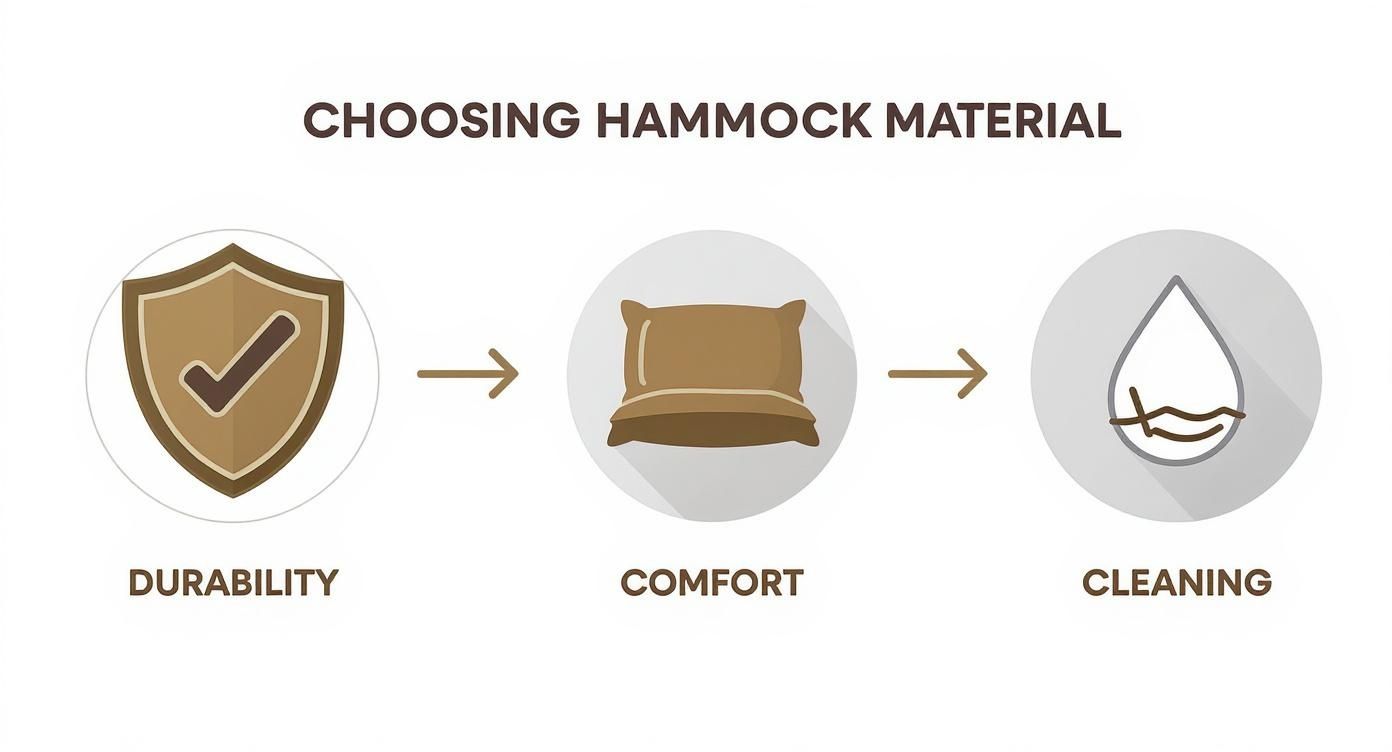
As you can see, the best choice usually strikes a balance between being tough, comfy for your dog, and easy for you to clean. Once you’ve got the right hammock and follow these simple installation steps, you can drive with confidence knowing your setup is providing maximum safety and stability.
Essential Safety Features to Prioritize
A good dog car hammock does more than just protect your upholstery—it’s a critical piece of safety equipment. Yes, keeping your car free of mud and fur is a huge plus, but the real mission is keeping your dog safe on the road. When you’re shopping for one, you have to look past the fabric and color and really dig into the features that will secure your pet.
Thinking about safety first shifts your perspective. Suddenly, the hammock isn’t just an accessory; it’s essential travel gear. There are a few non-negotiable features that make sure the hammock does its job during a sudden stop or a sharp turn, creating a stable little den for your best friend.
Anchors and Grip: The Foundation of Stability
Two of the most important safety features work hand-in-hand to keep the hammock from turning into a slip-n-slide: a non-slip backing and solid seat anchors. That non-slip rubber layer is like the tread on a tire, gripping the seat surface to prevent the whole thing from shifting around while you drive.
Seat anchors, which are usually little tubes you shove down between the seat cushions, literally lock the hammock down. Without them, even the grippiest backing won’t stop the cover from bunching up or lurching forward if you have to slam on the brakes.
A hammock that slides is a hammock that fails. Its ability to stay put is the foundation of its safety, ensuring the protective barrier remains effective when you need it most.
This focus on stability is a big reason why hammock-style covers are a leading choice in the dog seat cover market, a sector recently valued at over USD 1.2 billion. Dog owners get it—these things excel at creating a secure, contained space. You can discover more insights on the dog seat cover market and its impressive growth.
The Importance of Secure Restraints
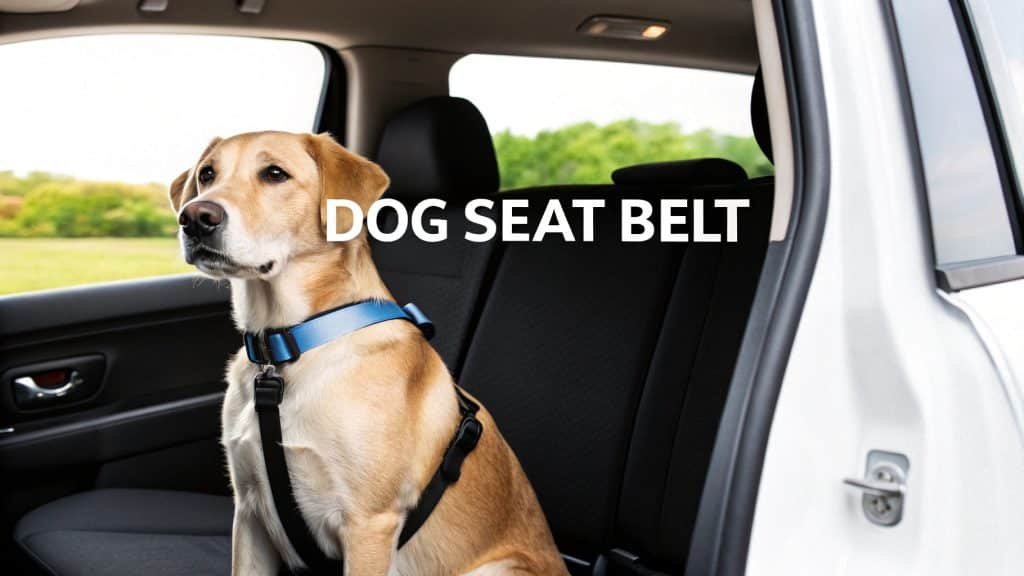
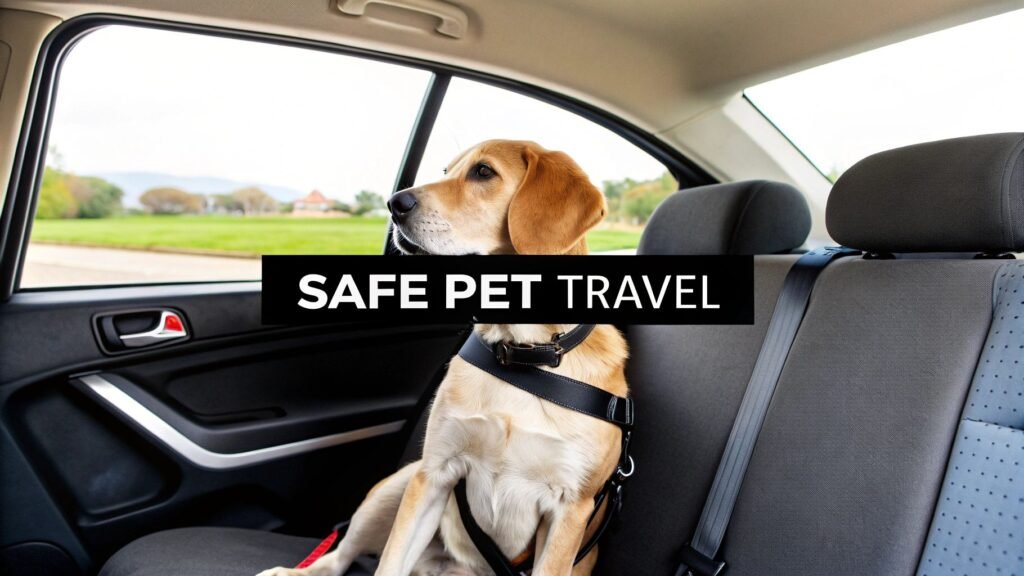
Let’s be crystal clear: a hammock contains your dog, but it is not a substitute for a safety restraint. In an accident, the only thing that can protect your pet from serious injury is a proper, crash-tested harness connected directly to your car’s seat belt system. That’s why any quality hammock will have built-in openings for the seat belts.
These little slits or flaps are absolutely essential. They let you buckle in your dog’s travel harness without having to pull up the hammock and defeat the whole purpose. As you compare models, always check for these key features:
- Seat Belt Openings: Make sure they’re well-placed to line up with your car’s buckles and reinforced so they don’t rip with use.
- Heavy-Duty Buckles: The clips that go around the headrests need to be tough. Flimsy plastic can snap under pressure.
- Reinforced Stitching: Pay close attention to the seams, especially around the straps and anchors. You want to see strong, tight stitching that won’t give way under stress.
Pairing your hammock with a proper restraint is the gold standard for car safety. If you need a reliable harness, you can explore a great selection of crash-tested dog harnesses to build the ultimate safe travel system for your dog.
Got Questions? Let’s Talk Dog Car Hammocks
Even after seeing all the benefits, you might still be wondering about a few things. That’s completely normal. Nailing down the details is how you make sure every trip is safe and comfortable for you and your best friend.
Let’s clear up some of the most common questions people have.
Can a Dog Hammock Go in the Front Seat?
That’s a hard no. Dog car hammocks are built specifically for the backseat, where they can anchor securely to the front and rear headrests.
But more importantly, the front seat is the most dangerous spot in the car for a dog. In an accident, a deploying airbag could seriously injure or even kill a pet. Always keep them in the back—it’s just so much safer.
Do I Still Need to Use a Harness if I Have a Hammock?
Yes, 100%. This is a non-negotiable for safety. A hammock is fantastic for keeping your dog comfortable and contained, preventing them from tumbling into the footwell. But it is not a safety restraint.
Think of it this way: the hammock is the padded room, but the harness and seat belt tether are the actual seatbelt. One provides comfort, the other provides protection in a crash.
In a collision or sudden stop, only a properly-fitted, crash-tested dog harness clipped into your car’s seat belt system can protect your dog from the force of the impact. Make sure any hammock you consider has slits or openings so you can easily access the seat belt buckles.
Is a “One-Size-Fits-All” Hammock Really a Good Fit?
Most hammocks are designed to be “universal,” with adjustable straps that work in everything from a compact car to a big SUV. And for the most part, they do a pretty good job.
But “universal” doesn’t always mean a perfect, custom fit. It’s always a smart move to measure the width of your backseat and compare it to the product’s dimensions before you click “buy.” A few minutes with a tape measure can ensure you get a snug fit, which means better protection and no sloppy sagging.
What’s the Best Way to Clean a Dog Car Hammock?
It really depends on the material, but most are designed for easy cleanup. For everyday fur and dirt, a quick once-over with a vacuum or a wipe with a damp cloth usually does the trick.
For the more… adventurous messes (we’re looking at you, muddy paws and carsick pups), many hammocks are machine washable. Just be sure to use a gentle cycle with cold water.
Always double-check the manufacturer’s care tag first. Following their instructions will help maintain the waterproof layer and keep your hammock in great shape for years of road trips.
Ready to make every car ride a safe and comfortable adventure? The premium Ur Pet Store dog car hammock is designed with durable, waterproof materials and all the essential safety features you need. Shop now at Ur Pet Store and give your best friend the protection they deserve.